Yamaguchi & Hiroshima Road Trip
~ Karato Market · Akiyoshido Cave · Kintaikyo Bridge · Yamato Museum — Final 3 Days of GW ~
Full 3-Day Itinerary
From Hakata through Yamaguchi to Hiroshima. The GW finale: Kanmon Strait, limestone caves, a wooden bridge, and a naval city.
3-Day Timeline
Traversing Yamaguchi and Hiroshima from Hakata, returning from Fukuyama by Shinkansen. The grand finale of 9 GW days.
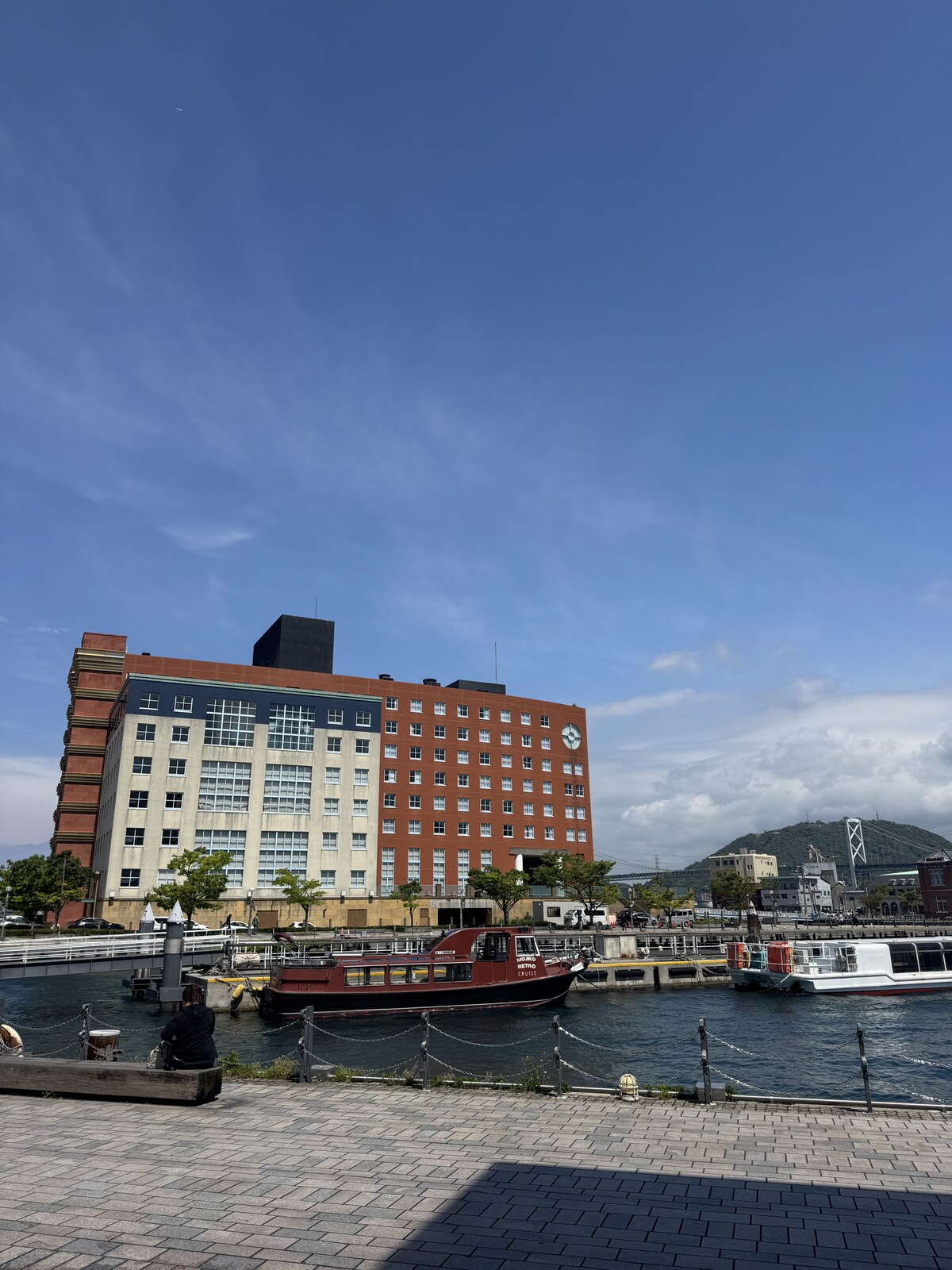
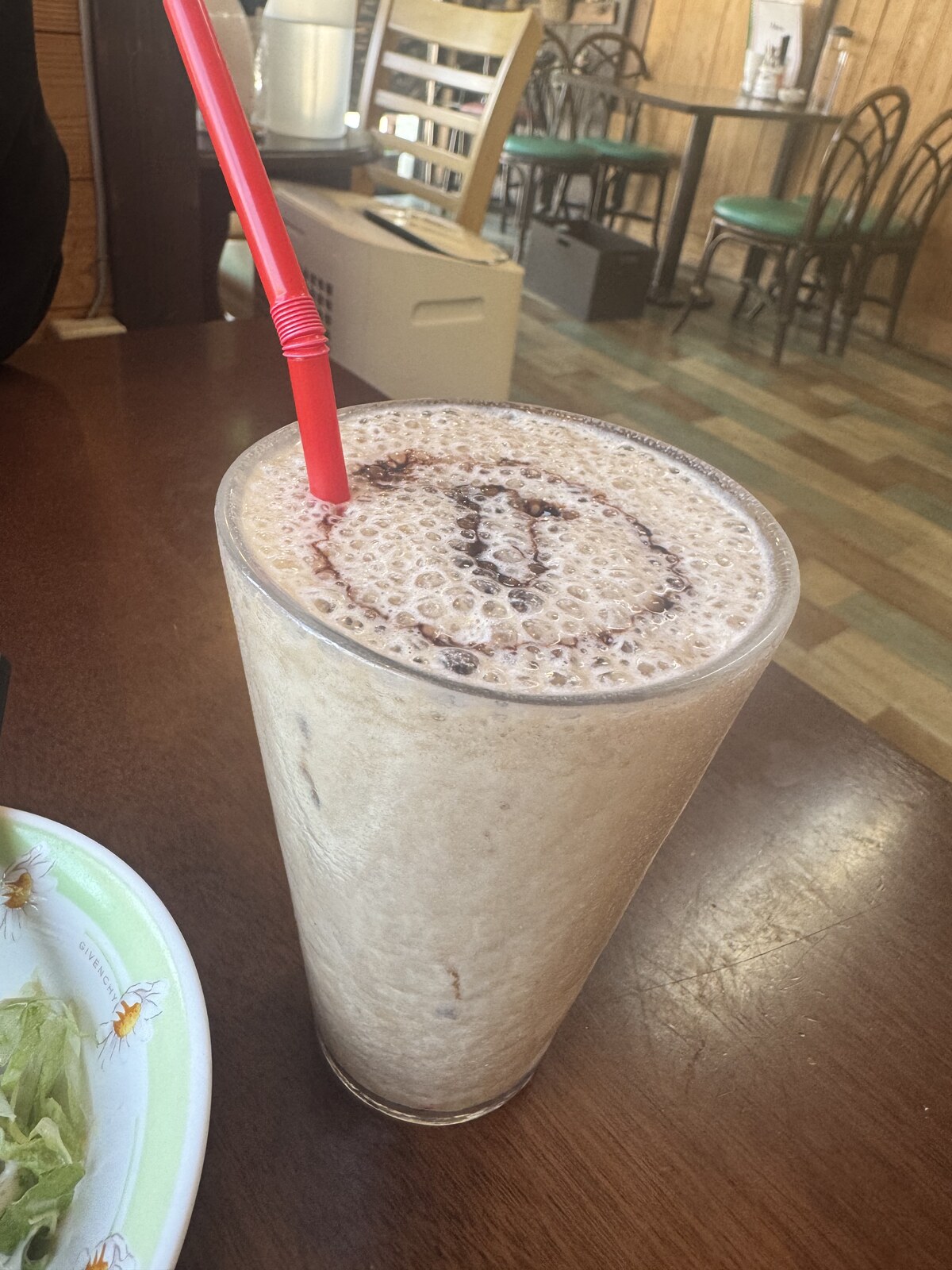
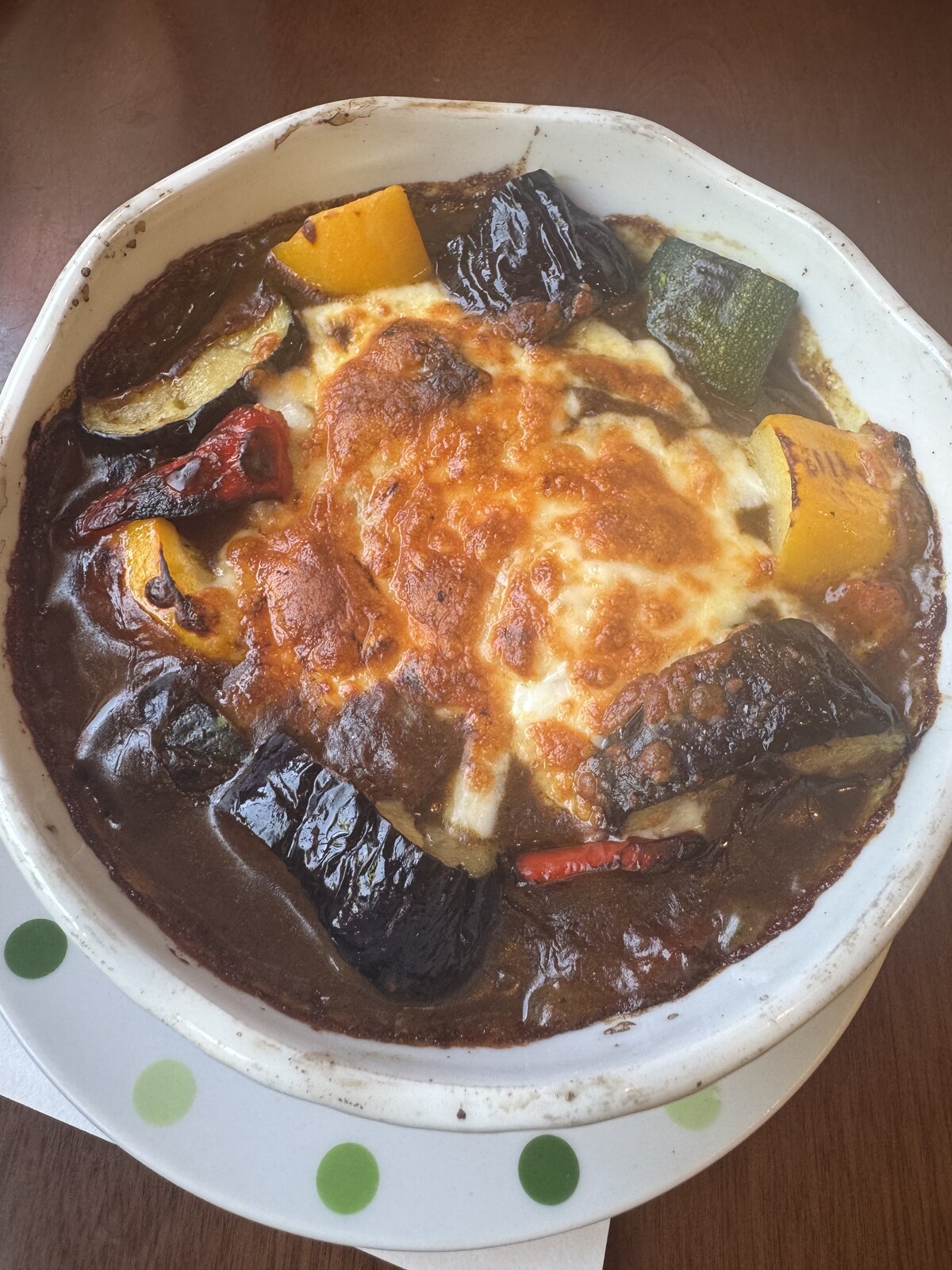
Moji Port Retro (門司港レトロ)
After crossing the Kanmon Strait from Hakata, we arrived in Moji Port, Kitakyushu. The Moji Port Retro district is a beautifully preserved area lined with red-brick Western-style buildings from the Meiji and Taisho eras. We first popped into "curry&sweets Dolce" for a delicious gratin-style curry loaded with vegetables. Then we tried the famous Moji milkshake — a nostalgic half-frozen smoothie made with milk, eggs, and sugar, enjoyed to the full with the salty sea breeze around us.
🏛 Moji Port Retro / Moji, Kitakyushu, Fukuoka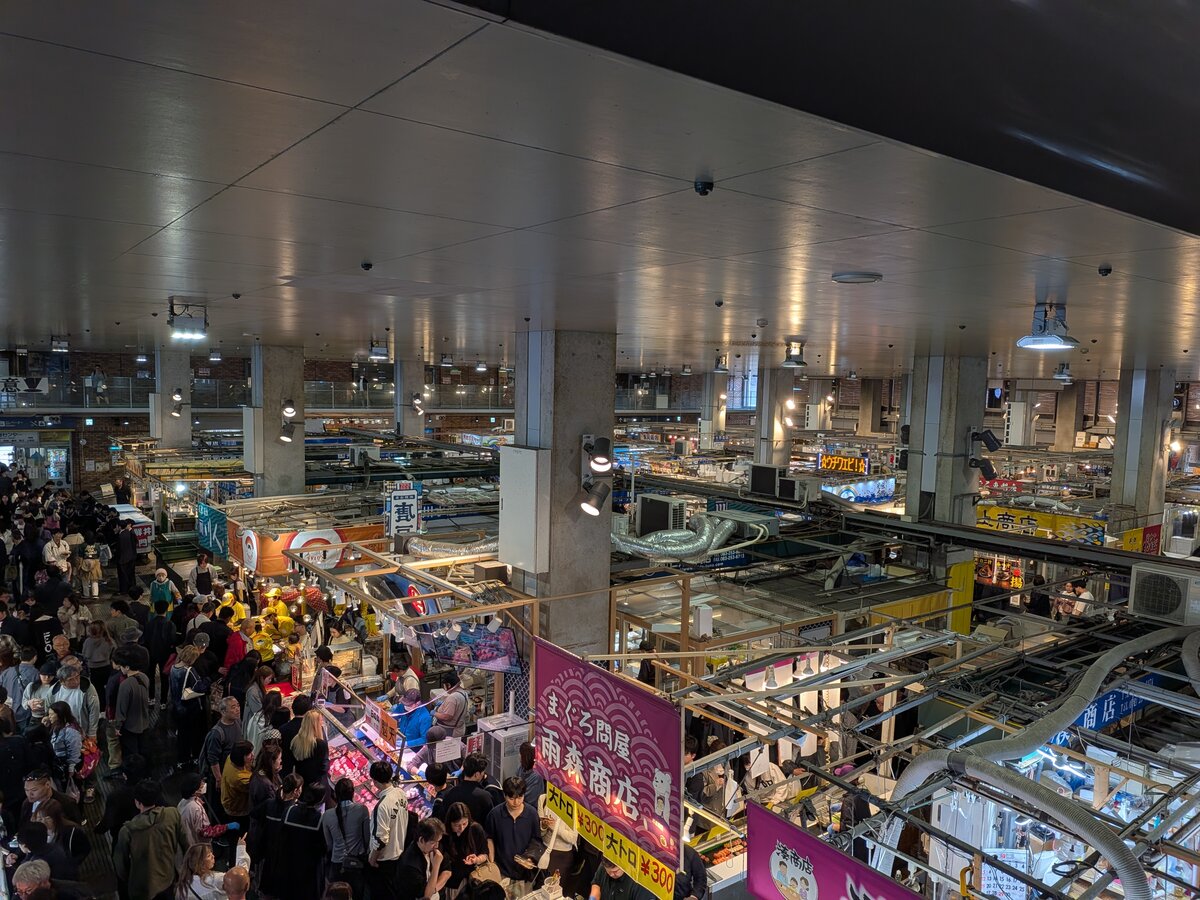
Karato Market (唐戸市場) — Kanmon Fugu & Seafood Food Walk
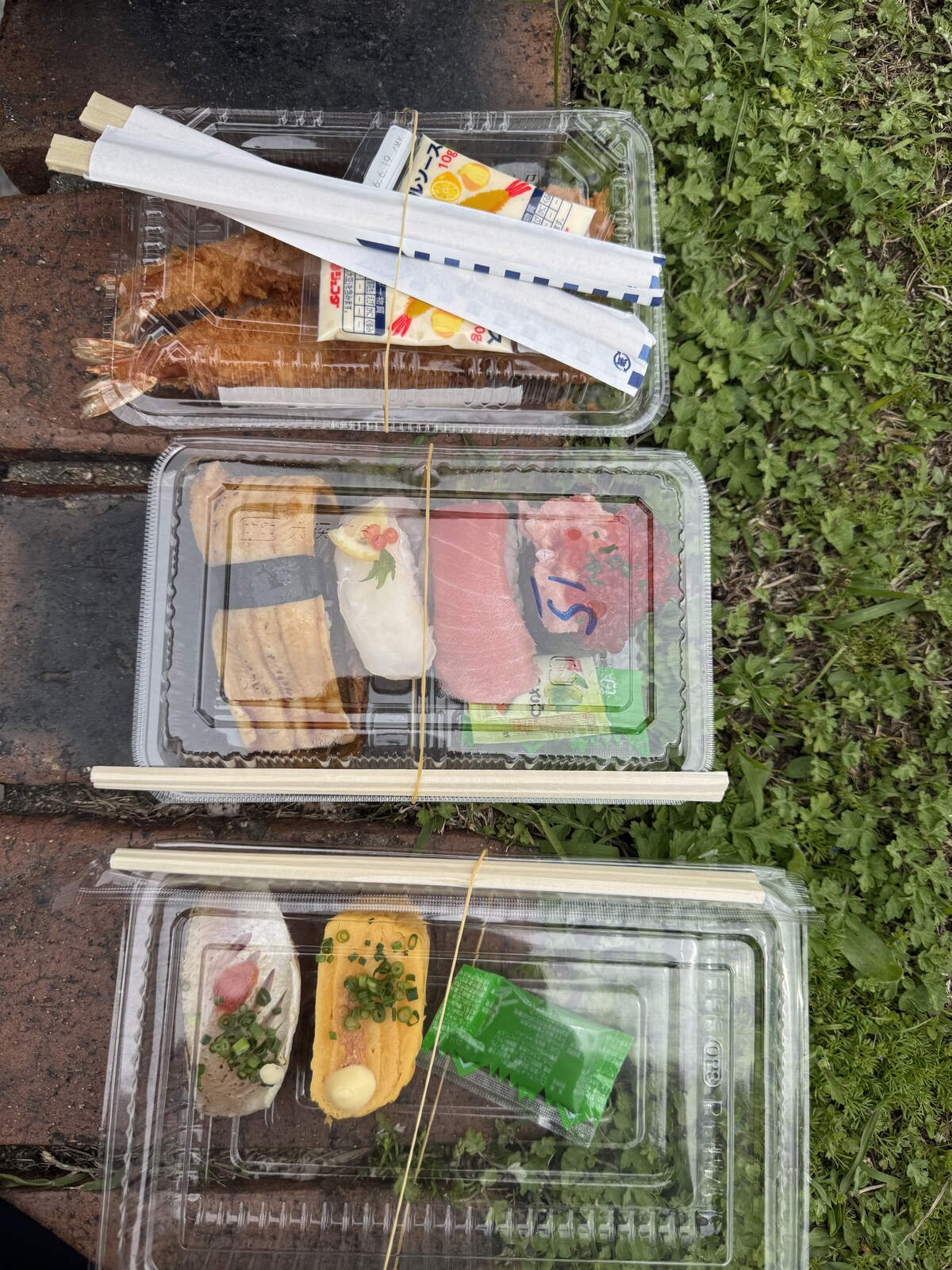
After strolling through Moji Port Retro we drove through the Kanmon Tunnel to Karato Market in Shimonoseki. On weekends the market fills with vendors selling freshly made sushi, Kanmon fugu (blowfish), squid sashimi, horse mackerel and more — all perfect for eating while you wander. Biting into fugu sashimi with the strait breeze in your face is something else entirely. This is the ultimate spot to experience the best of Shimonoseki's food scene in one go.
🍣 Karato Market / Shimonoseki, Yamaguchi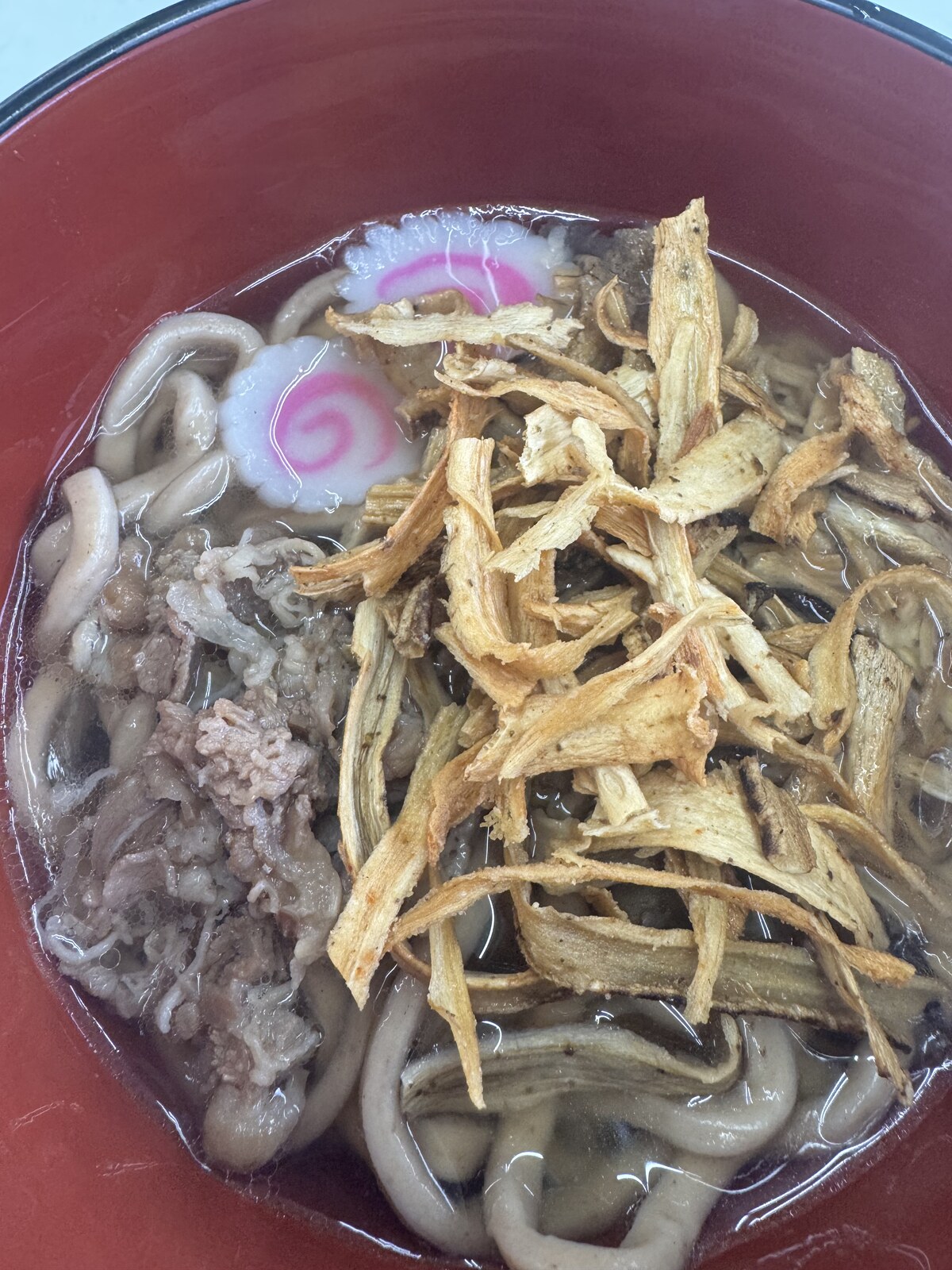
Akiyoshido Specialty: Gobou Soba (ごぼうそば)
Lunch at a restaurant near the Akiyoshido entrance. The local specialty, gobou soba, is a humble yet satisfying bowl topped generously with crispy deep-fried burdock root. The fragrant burdock paired beautifully with the light, clean broth. The bowl also comes with narutomaki fish cake, mushrooms, and meat — a hearty, filling meal. It was the perfect fuel-up before diving into the cave.
🍜 Gobou Soba / Mine City, Akiyo-cho, Yamaguchi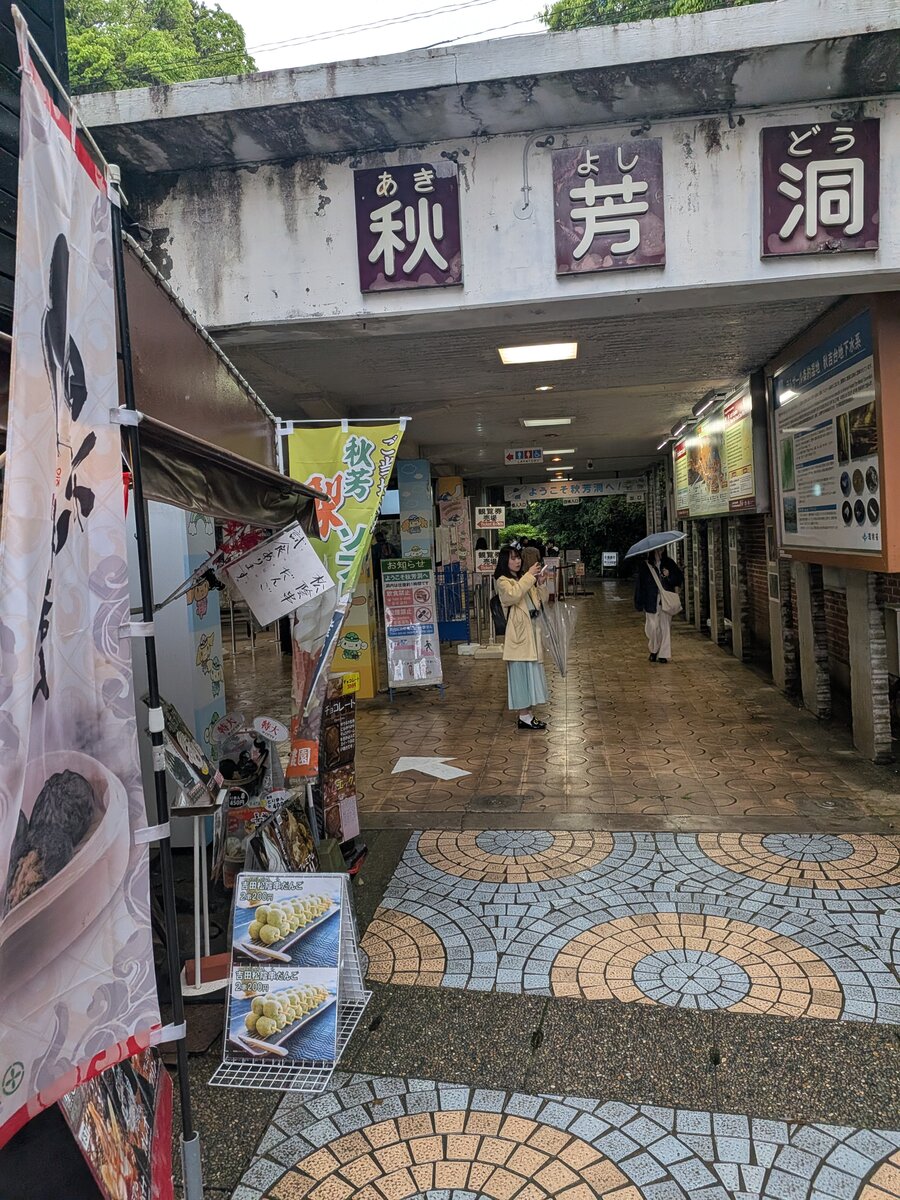
Akiyoshido Cave (秋芳洞)
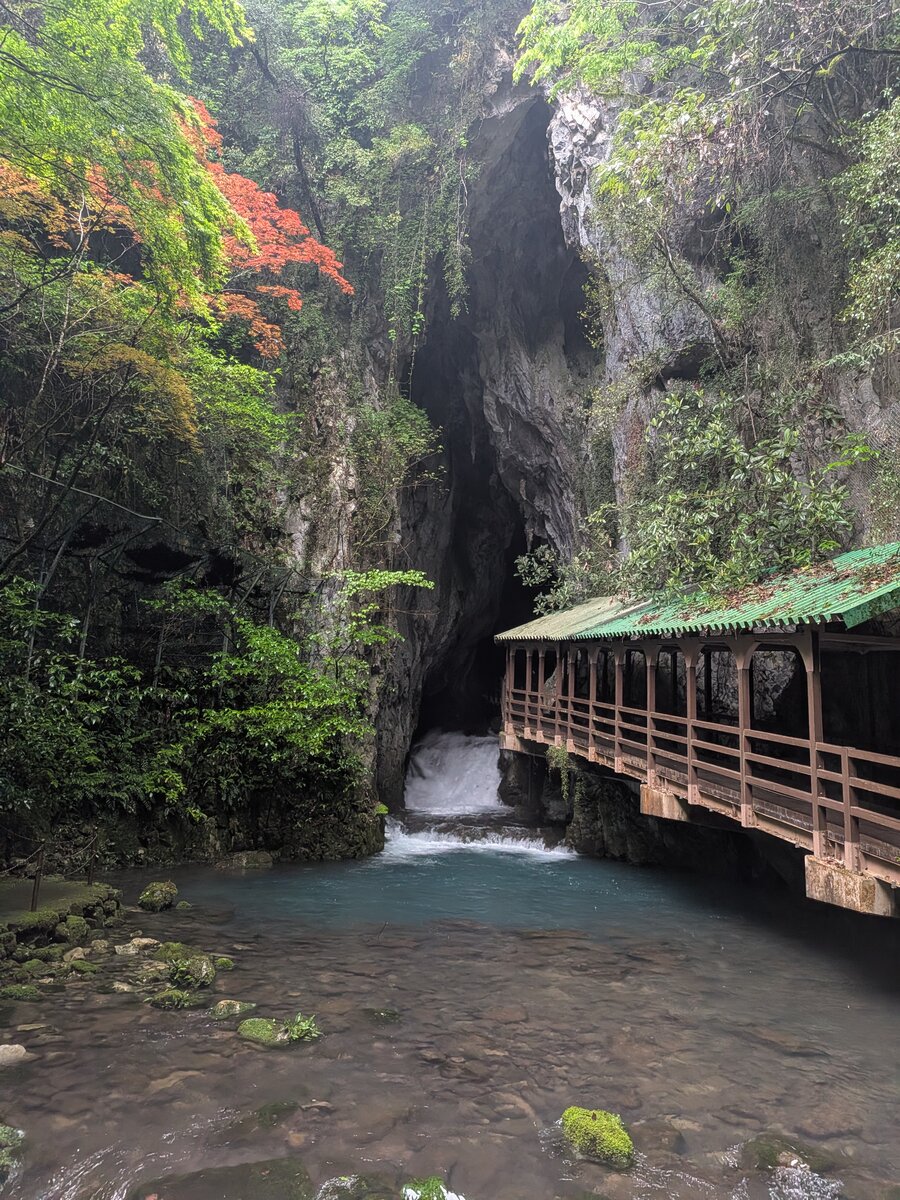
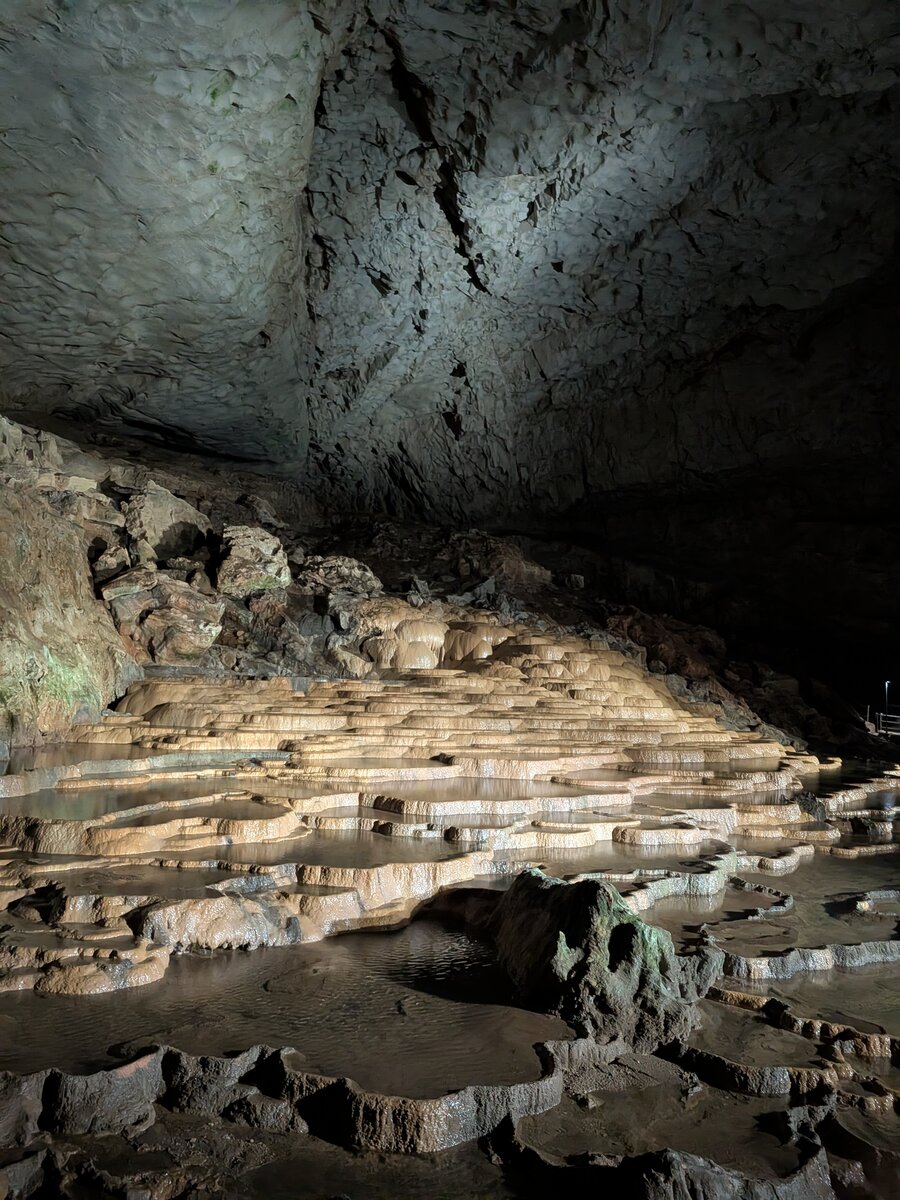
Akiyoshido is Japan's largest limestone cave. The roughly 1km tourist route leads past an astounding sequence of formations: the Hyakumaizara (Hundred Dish Terraces), the Ogon-bashira (Golden Pillar), the Kasa-zukushi (Umbrella Column), and more. The cave maintains a constant temperature of around 17°C year-round — a blissful escape from the GW heat outside. The hour-long walk through this underground world felt like a journey to another dimension entirely.
🗻 Akiyoshido / Mine City, Akiyo-cho, Yamaguchi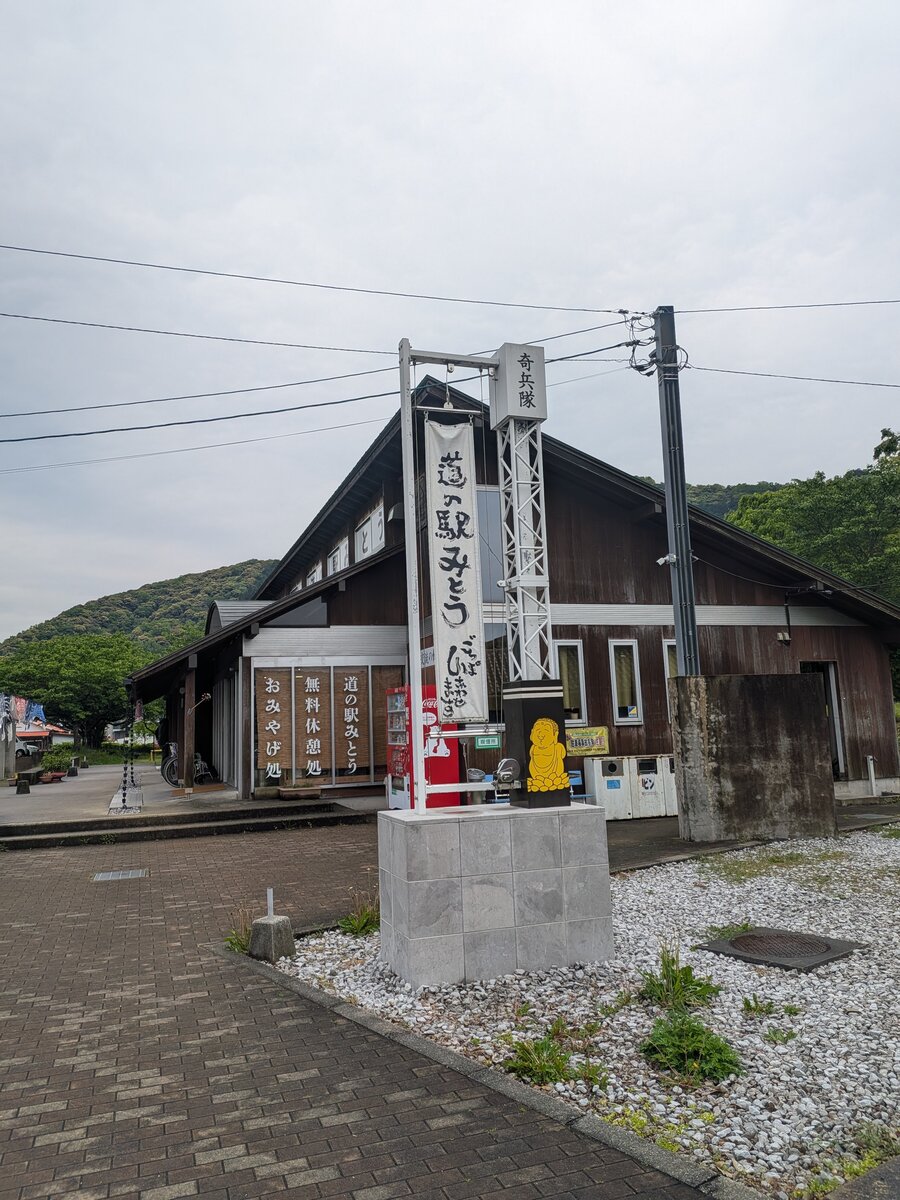
Michi-no-Eki Mitou (道の駅 みとう)
A quick stop at Michi-no-Eki Mitou, a roadside station just a short drive from Akiyoshido. It stocks locally grown Yamaguchi produce and regional specialties, and serves as a handy base for exploring the Akiyoshido and Akiyoshidai area. We used it as a relaxing pit stop before heading on to Yuda Onsen.
🛖 Michi-no-Eki Mitou / Mine City, Yamaguchi🏨 Super Hotel Yamaguchi Yuda Onsen (スーパーホテル山口湯田温泉)
Staying the night at Yuda Onsen in Yamaguchi City. After checking in, we headed out for dinner.
Choshuya (長州屋) — Kawara Soba
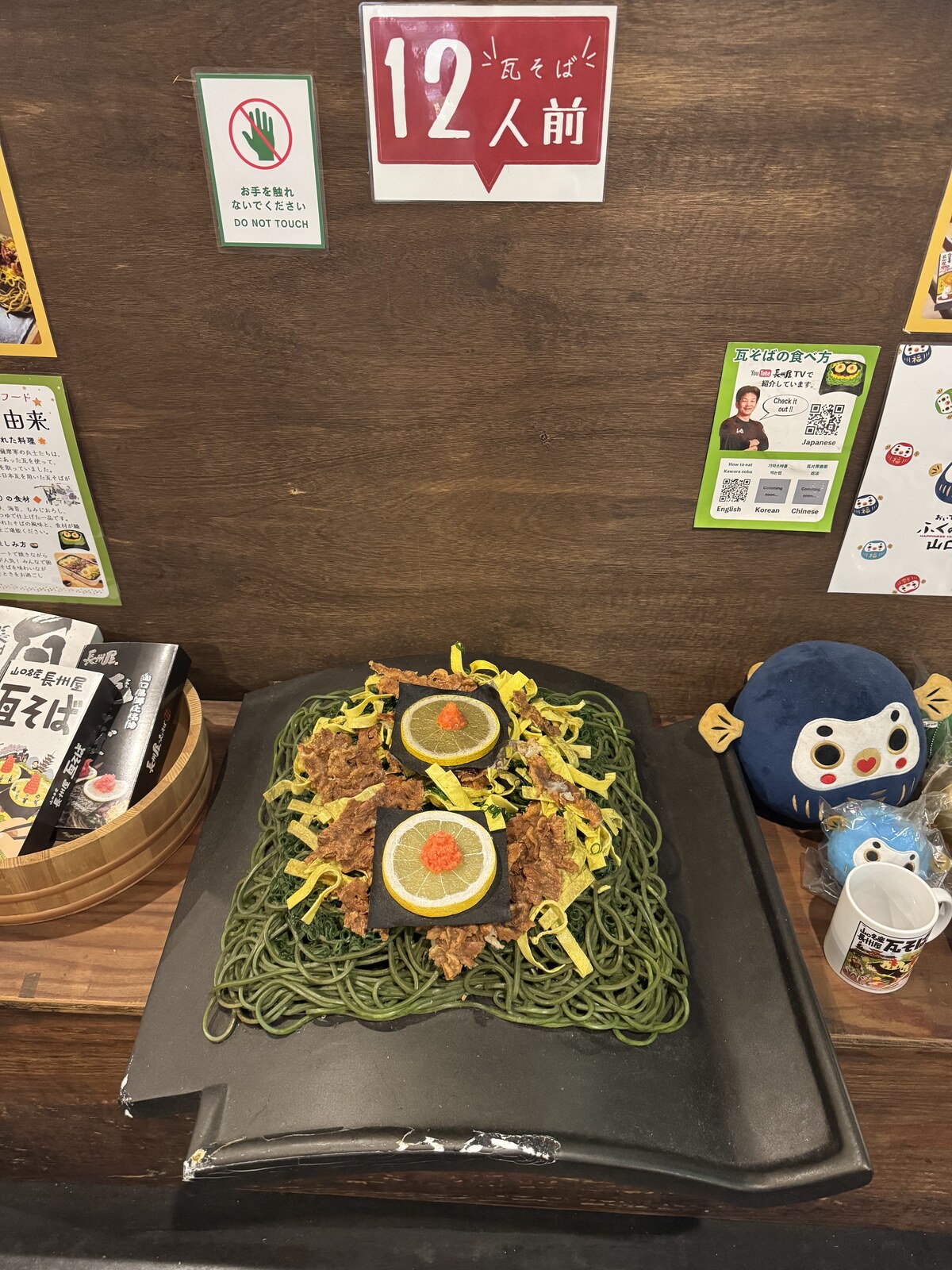
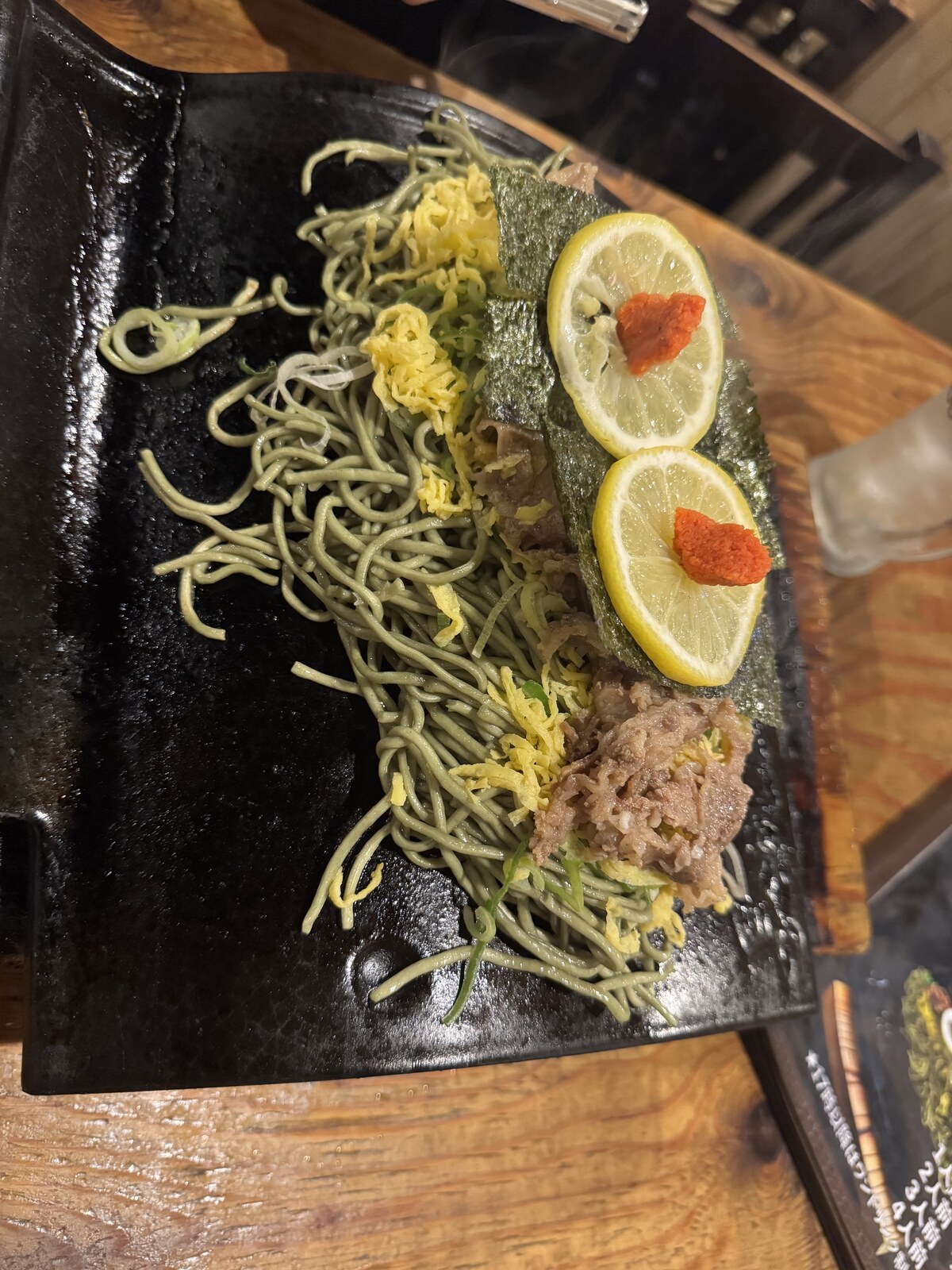
Dinner at Choshuya near Yuda Onsen, where we enjoyed kawara soba (瓦そば) — a Yamaguchi specialty originating in Shimonoseki. Green tea noodles are served on a hot ceramic roof tile (kawara) with seasoned beef, shredded egg, and grated daikon with chili. The noodles get lightly charred from the tile's heat and taste incredible dipped in warm broth. The restaurant's large lantern sign is hard to miss; the warm, characterful interior made it the perfect way to close out Day 7 of our GW adventure.
🍜 Choshuya / Yuda Onsen, Yamaguchi City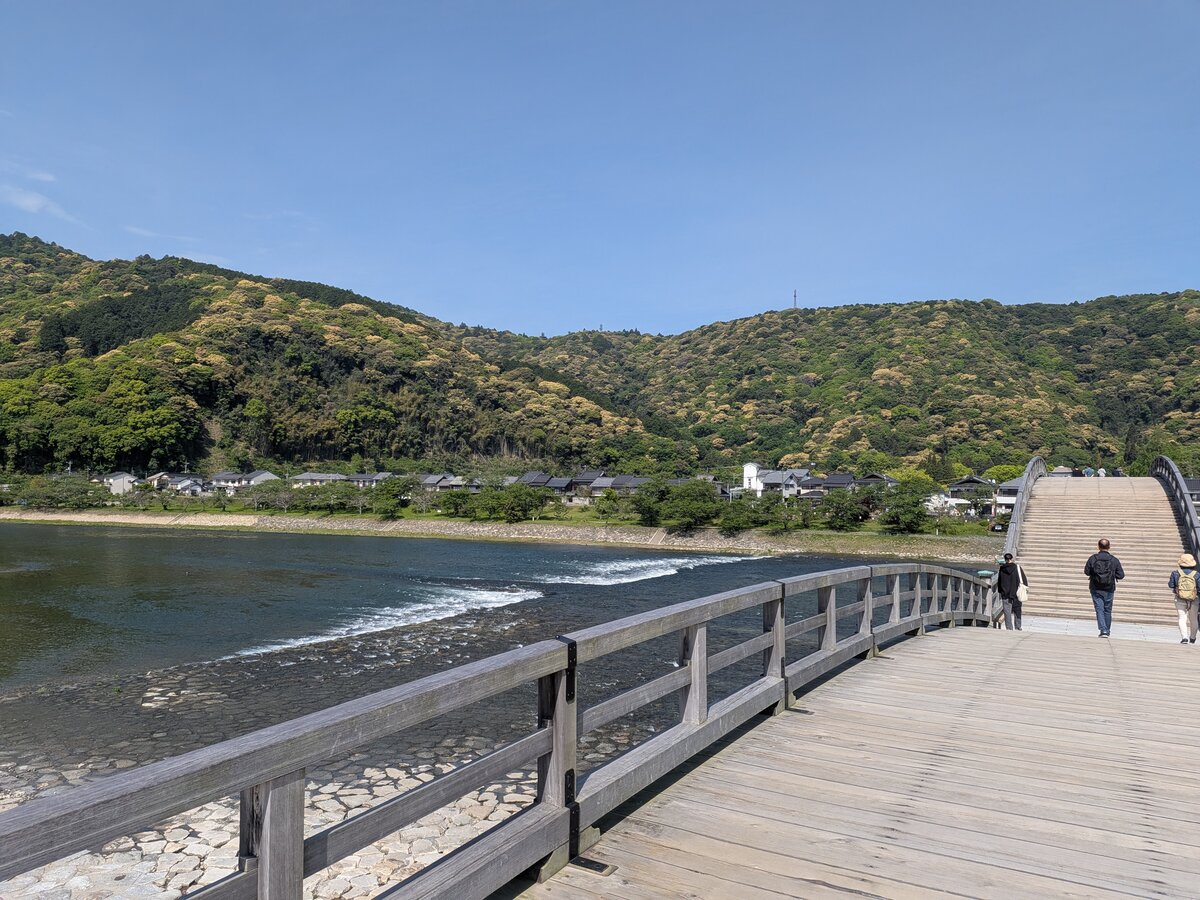
Kintaikyo Bridge (錦帯橋)
One of Japan's three most celebrated bridges, Kintaikyo spans the Nishiki River with five graceful wooden arches — held together entirely by traditional joinery techniques, without a single nail. In the crisp morning air, the sweeping silhouette of the connected arches was breathtaking. Walking across the bridge, you feel the gentle flex of the wood beneath your feet — a tangible connection to the master carpenters of the Edo period whose skills have been passed down across generations.
🌉 Kintaikyo Bridge / Iwakuni, Yamaguchi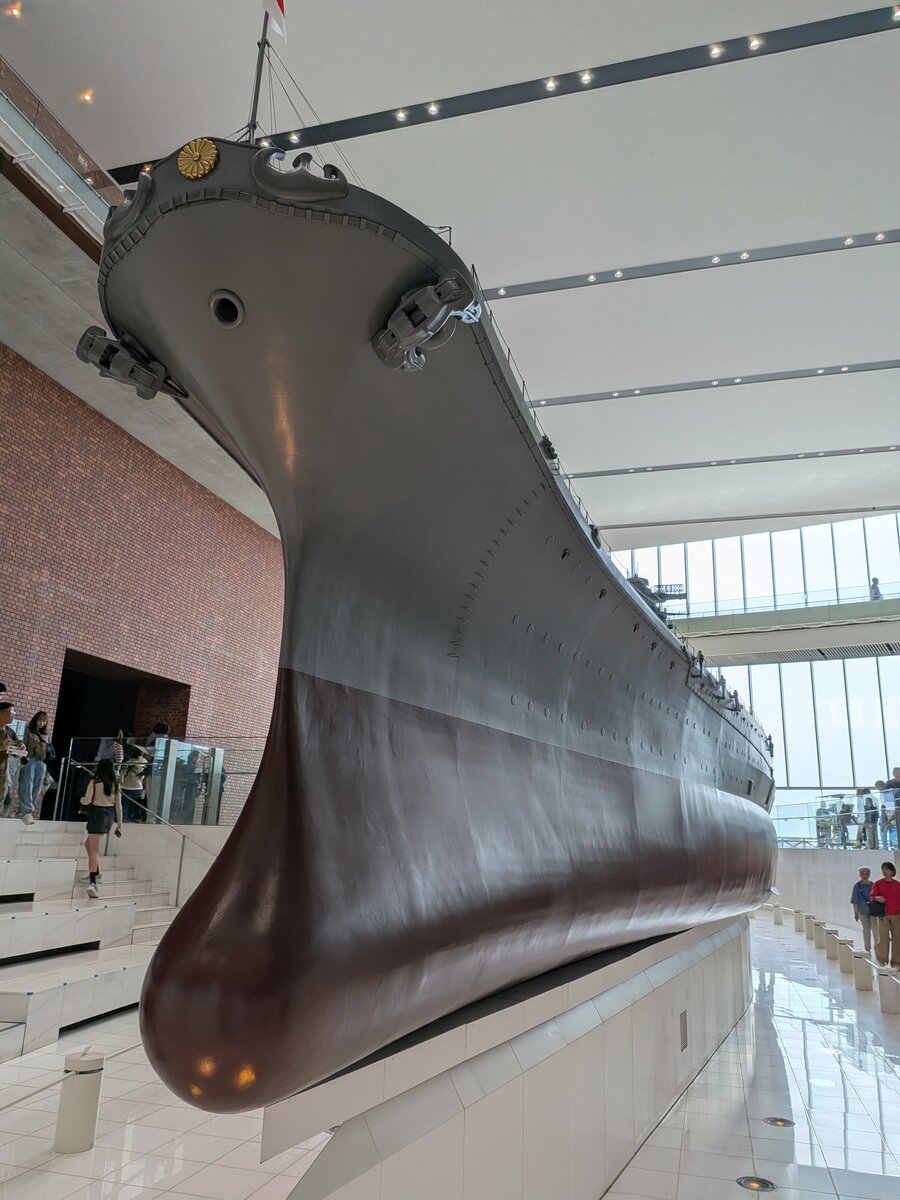
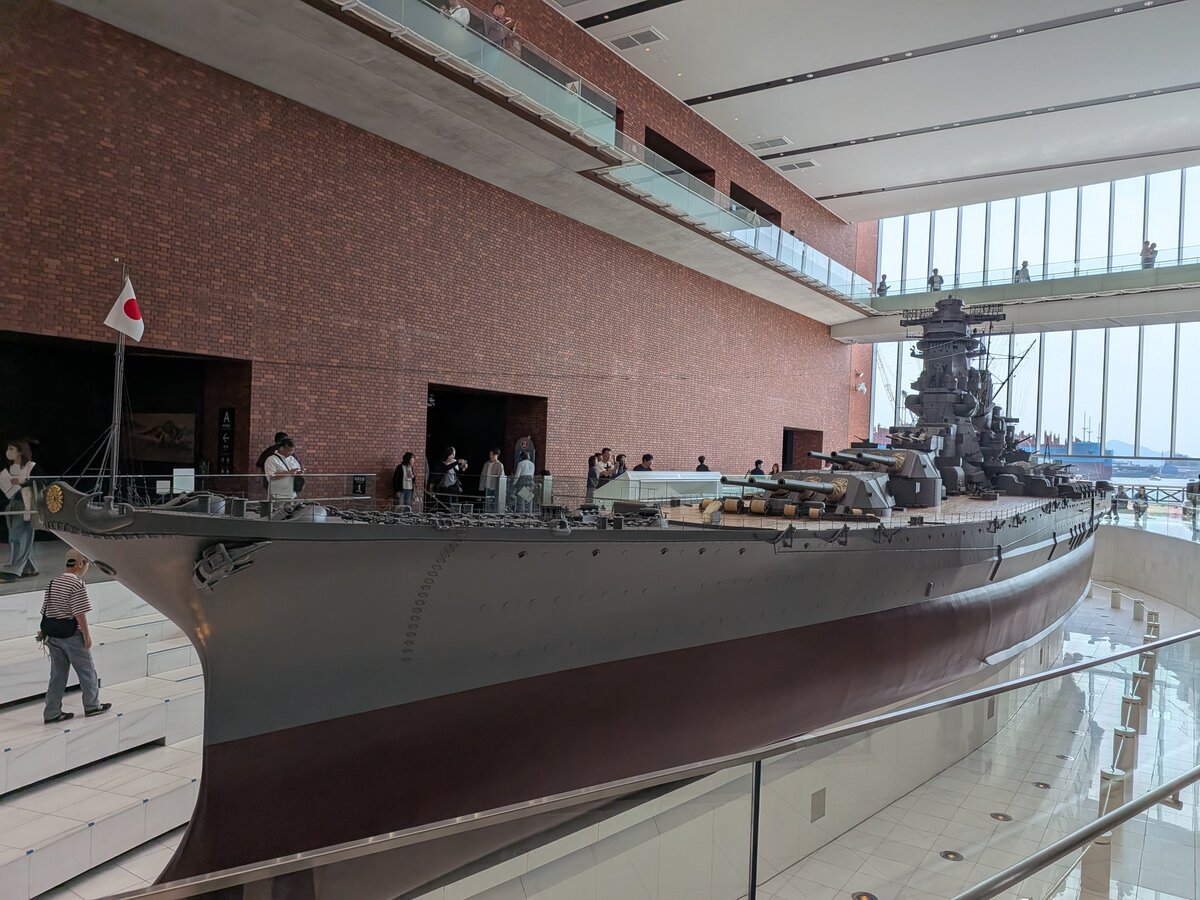
Yamato Museum (大和ミュージアム) — Just After Renovation
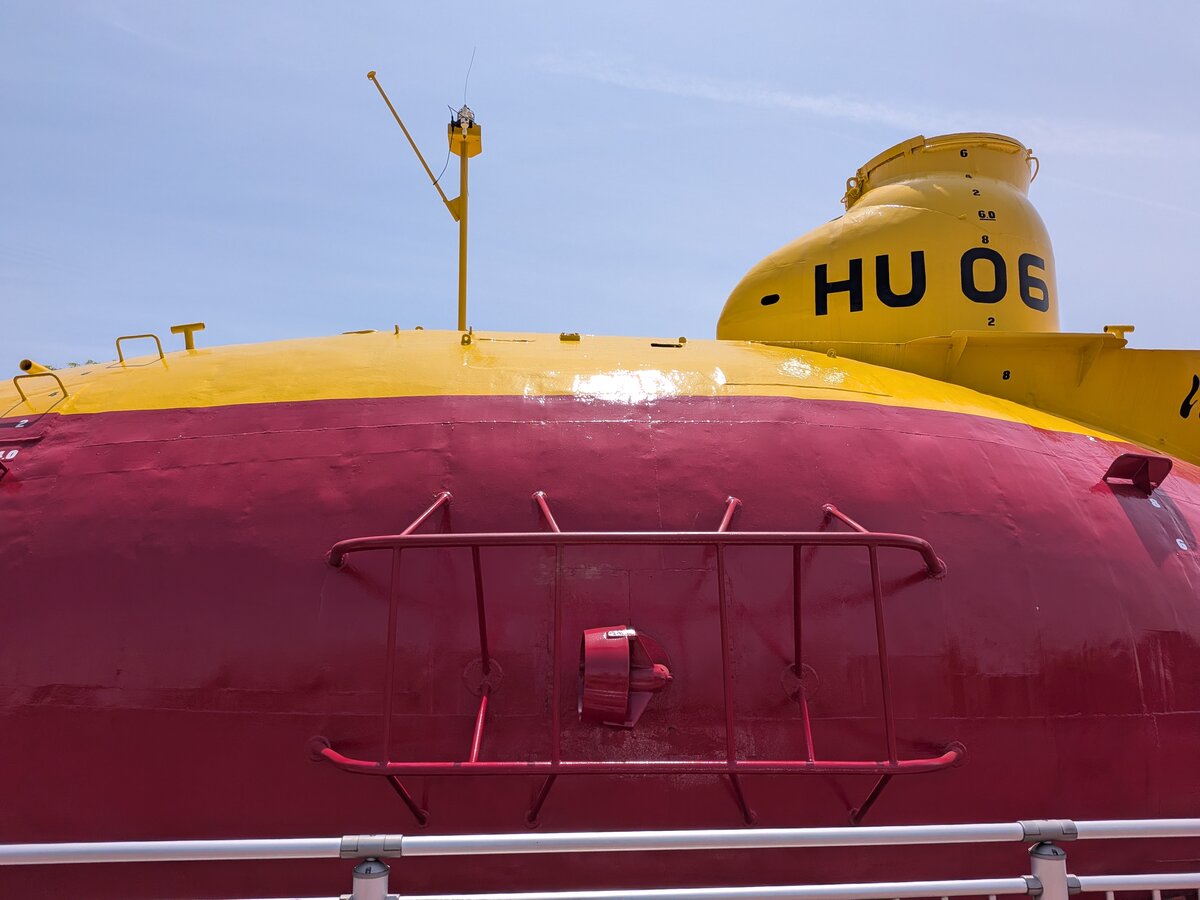
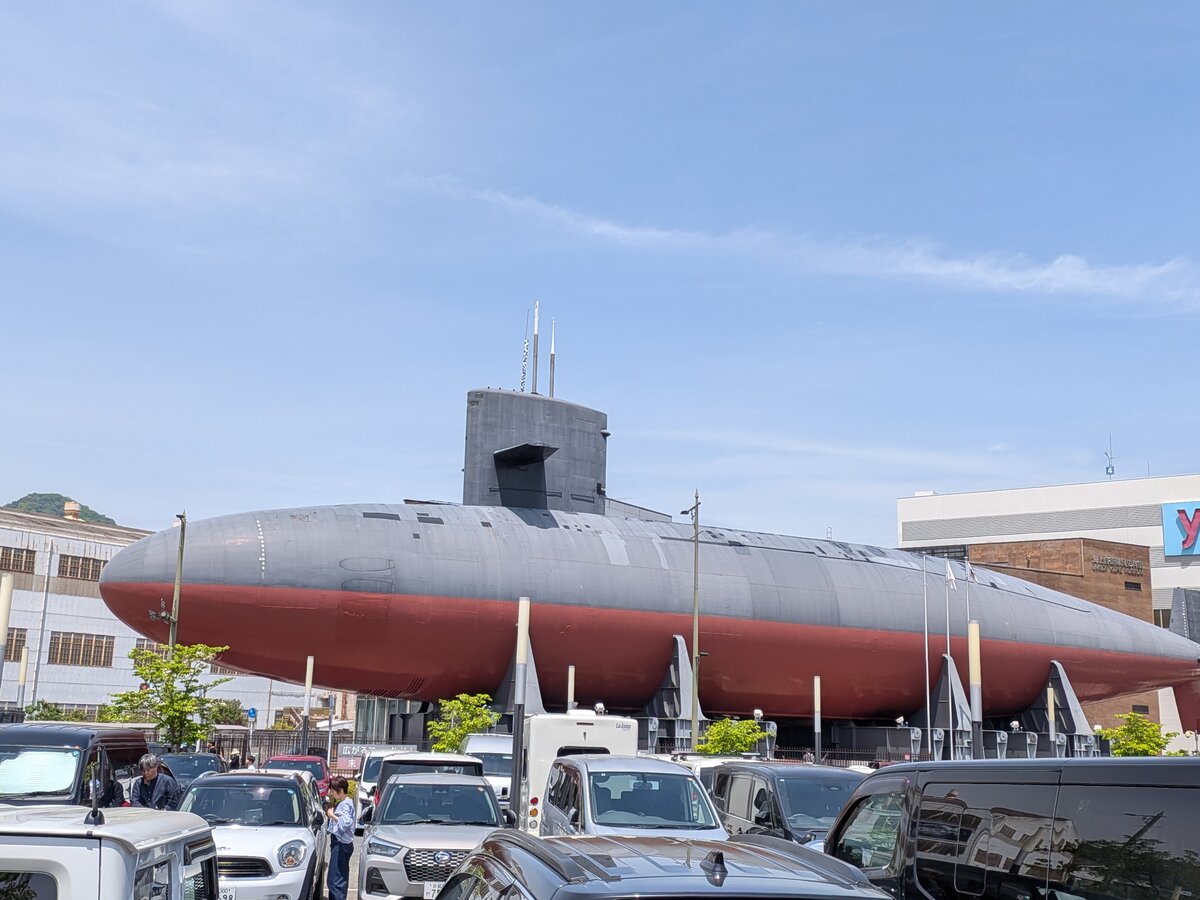
The Yamato Museum in Kure had just reopened after a major renovation on April 23, 2026. The museum tells the story of the battleship Yamato's birthplace and the naval history of Kure. The 1/10-scale model of the Yamato — a staggering 26.3 meters long — commands immediate attention. Post-renovation, the exhibits on shipbuilding and naval technology are better organized than ever, with rare historical materials now more accessible. A genuinely impressive museum that deepens your understanding of Kure's history and its relationship with the sea.
⚓ Yamato Museum / Kure, Hiroshima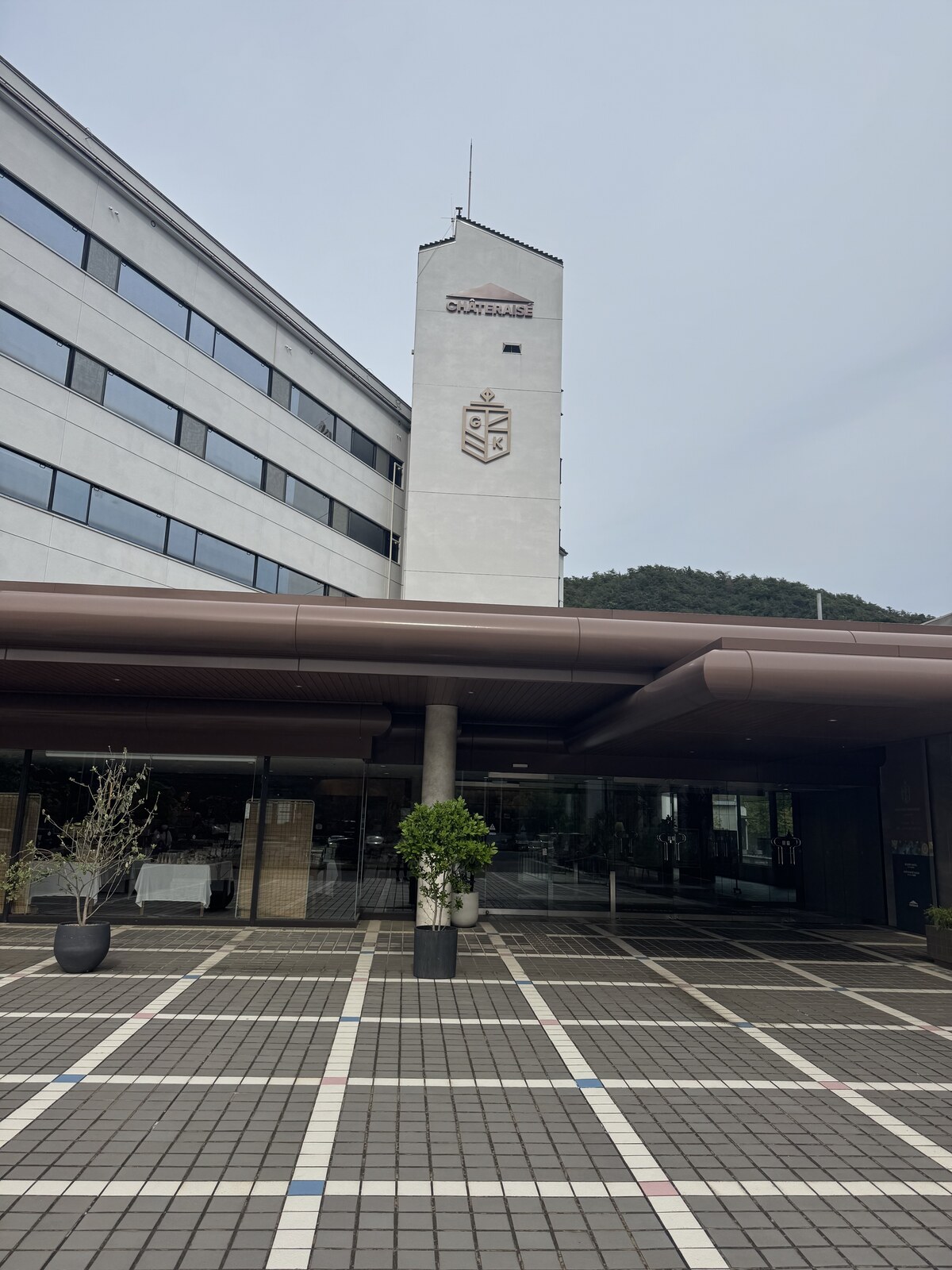
Chateraise Gateau Kingdom Setouchi (シャトレーゼ ガトーキングダム せとうち)
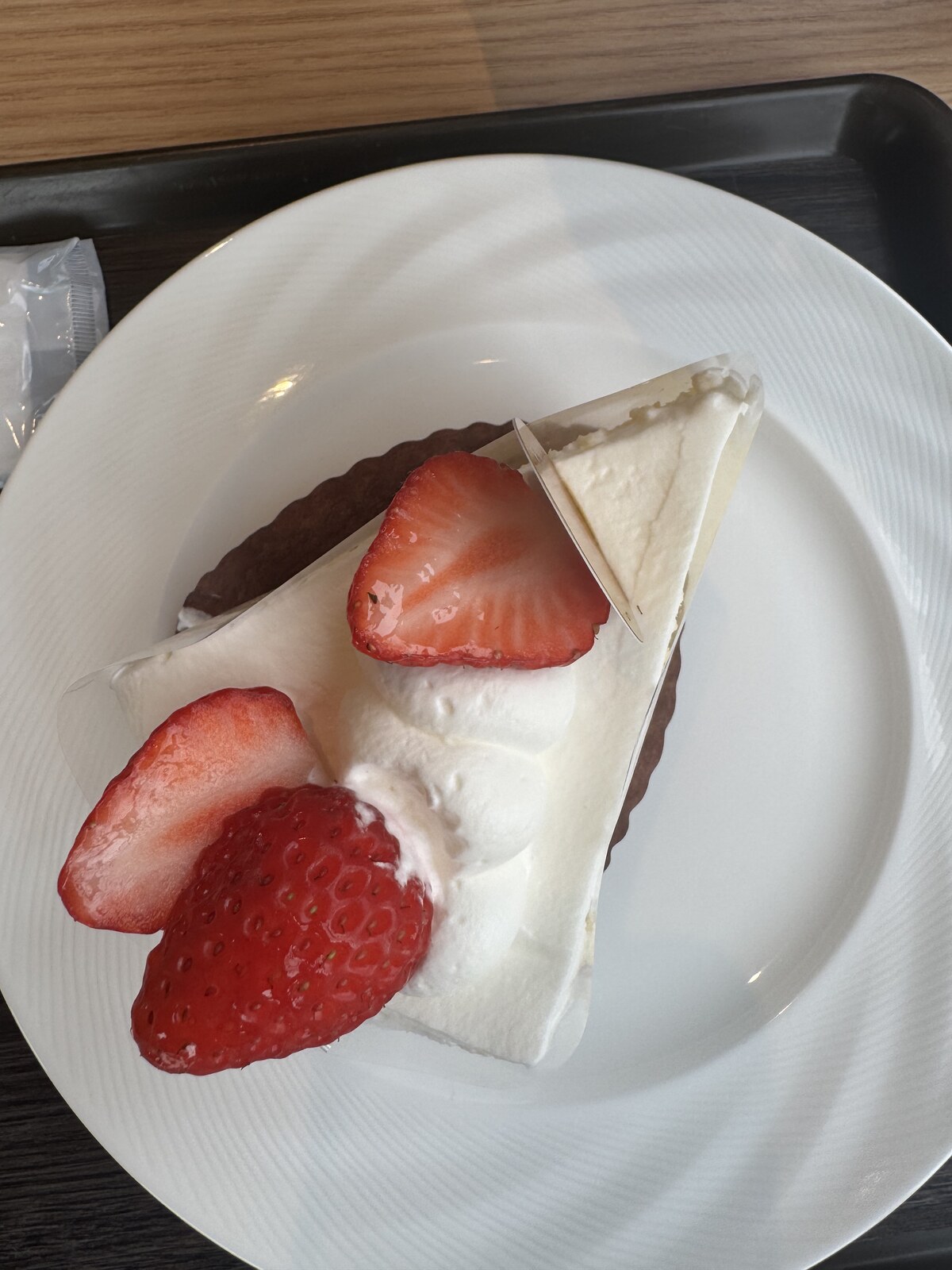
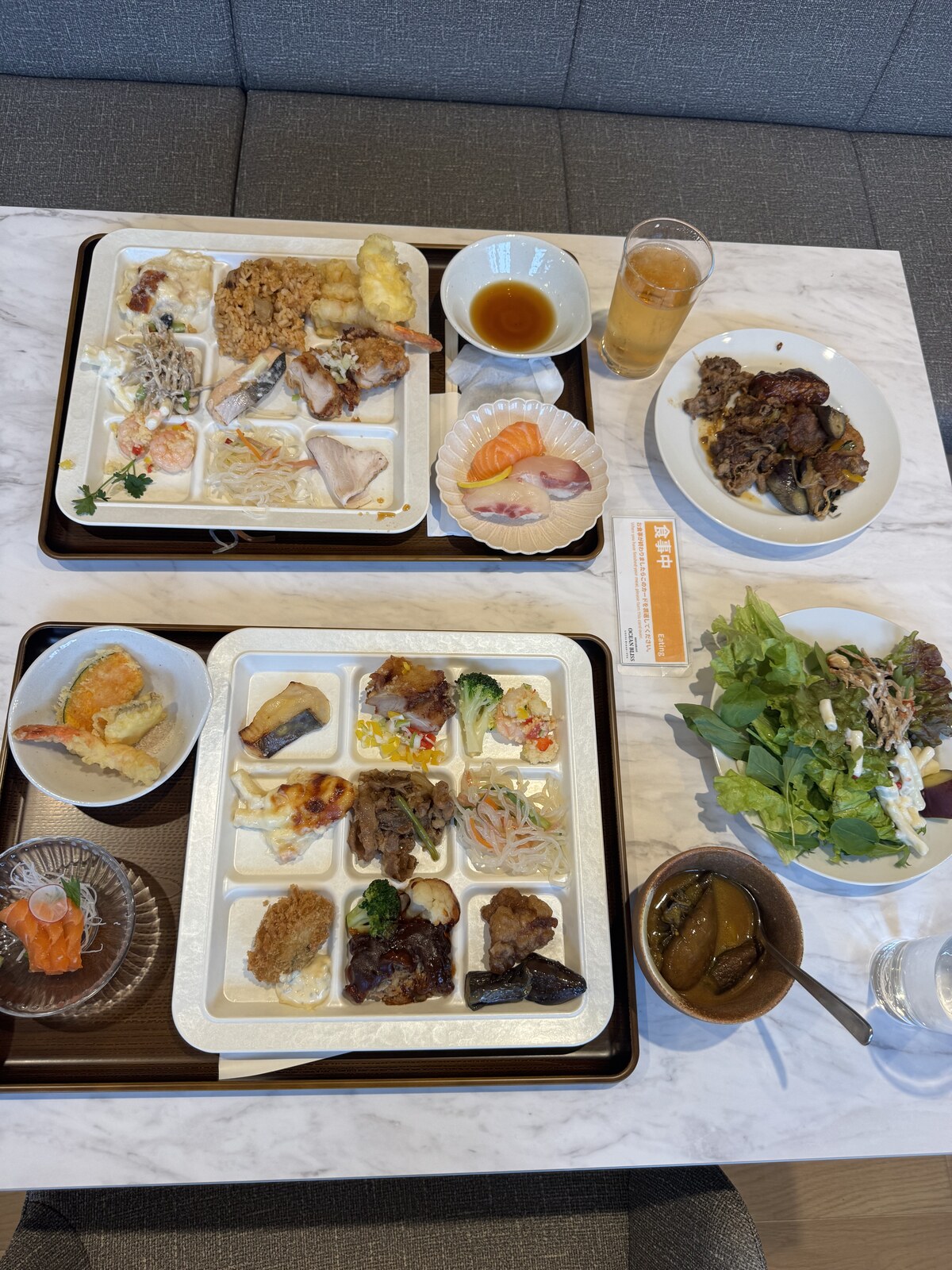
Perched on a hilltop overlooking the Seto Inland Sea, this hot-spring resort hotel is operated by the beloved Japanese pastry brand Chateraise. After checking in, we were treated to top-quality sweets including strawberry shortcake and cheesecake. The next morning's breakfast buffet was equally impressive — a spread of Japanese and Western dishes that made our eyes light up. The perfect luxurious finale for the last night of a long GW journey.
🏨 Chateraise Gateau Kingdom Setouchi / Higashihiroshima, Hiroshima🏨 Chateraise Gateau Kingdom Setouchi (シャトレーゼ ガトーキングダム せとうち)
The final night of our GW journey. Tomorrow we visit Takehara and Tomonoura before catching the Shinkansen home from Fukuyama.
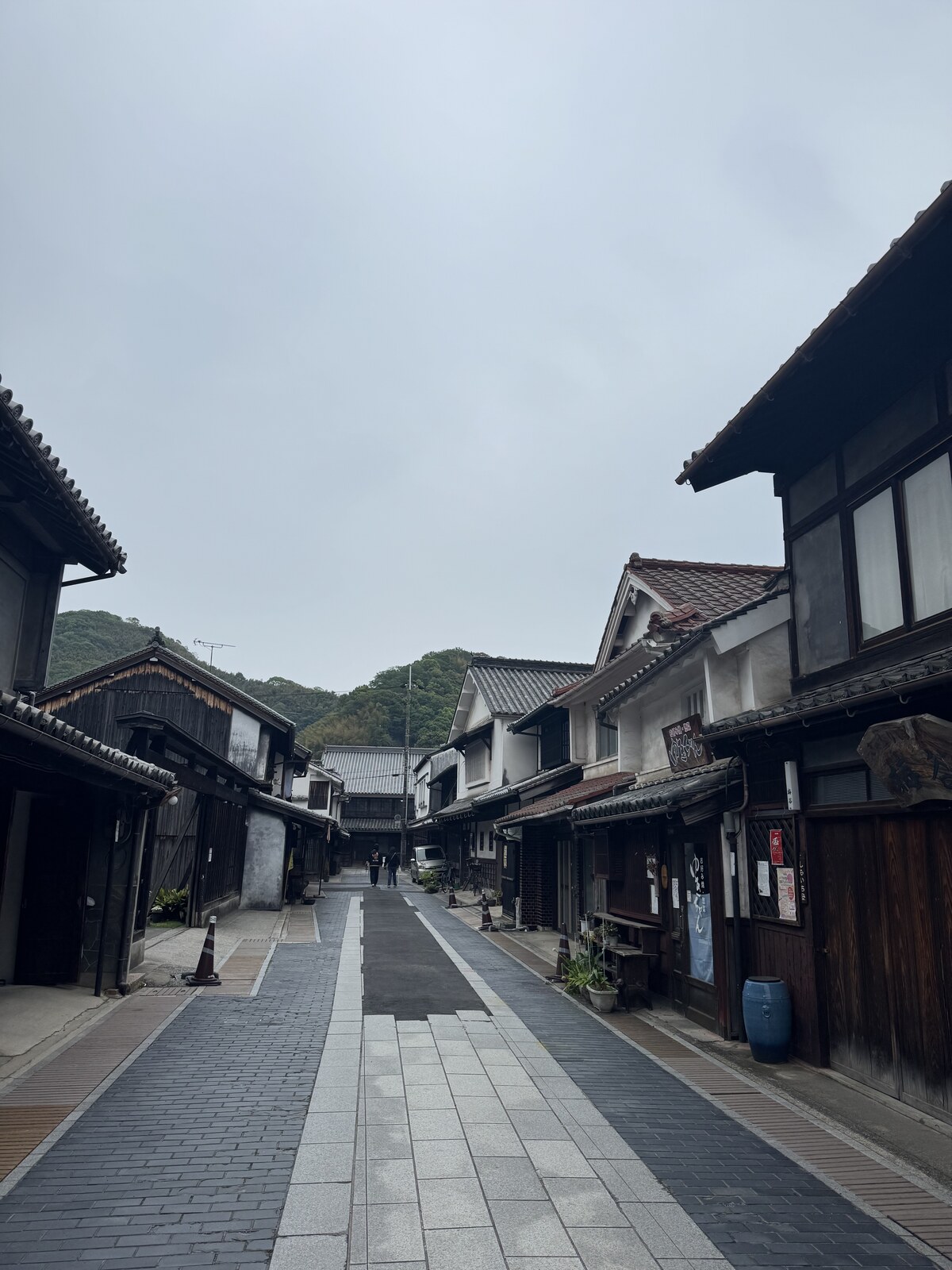
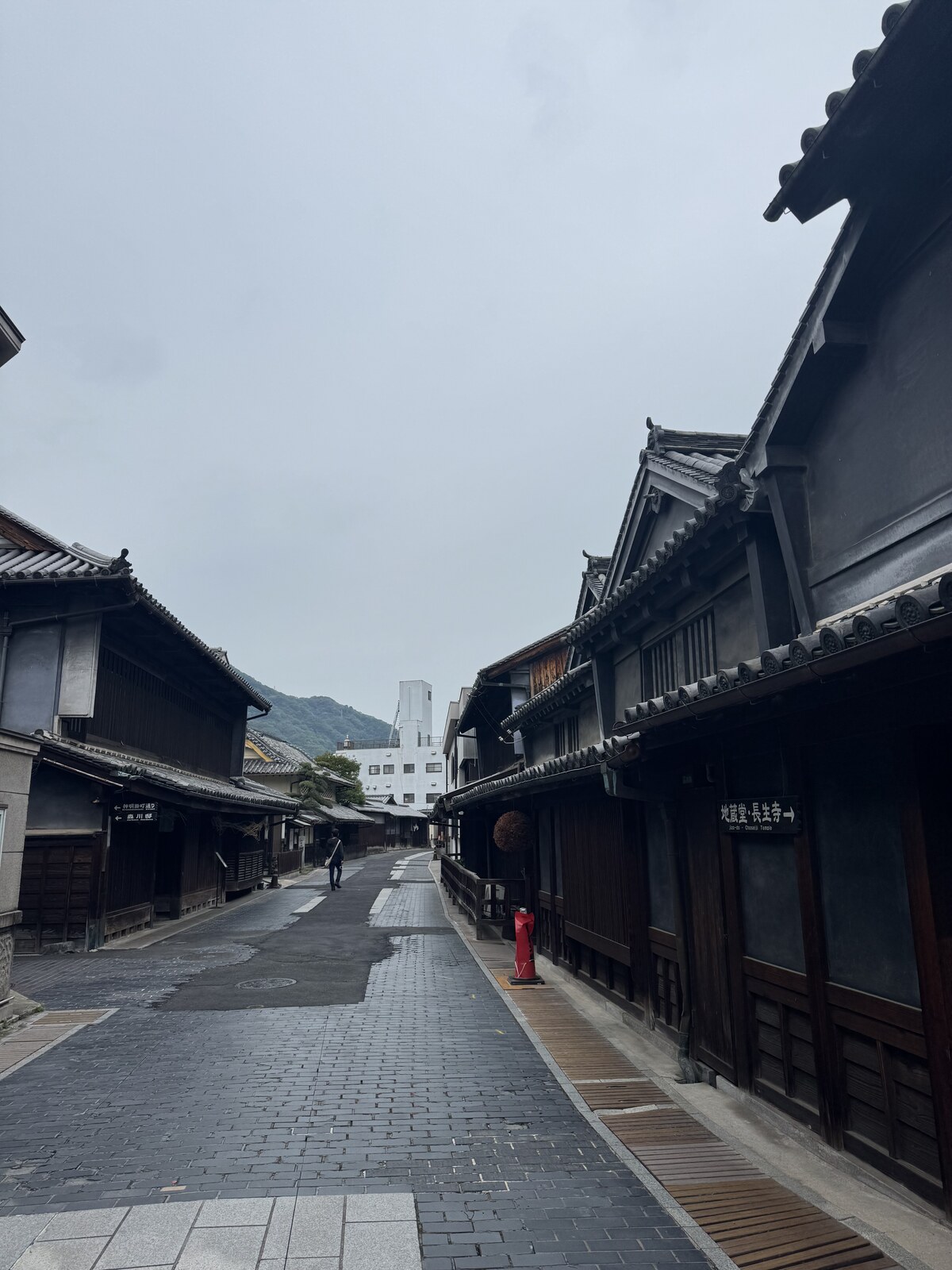
Takehara Historic Townscape (竹原 町並み保存地区) — "The Little Kyoto of Aki"
Takehara's historic preservation district flourished during the Edo era on the wealth of the salt industry. Its beautifully preserved streets of white-walled buildings and latticed windows have earned it the nickname "the Little Kyoto of Aki" (安芸の小京都). Strolling through the quiet lanes in the cool morning air felt like stepping back in time. A perfectly peaceful way to begin the final day of our trip.
🏛 Takehara Historic Preservation District / Takehara, Hiroshima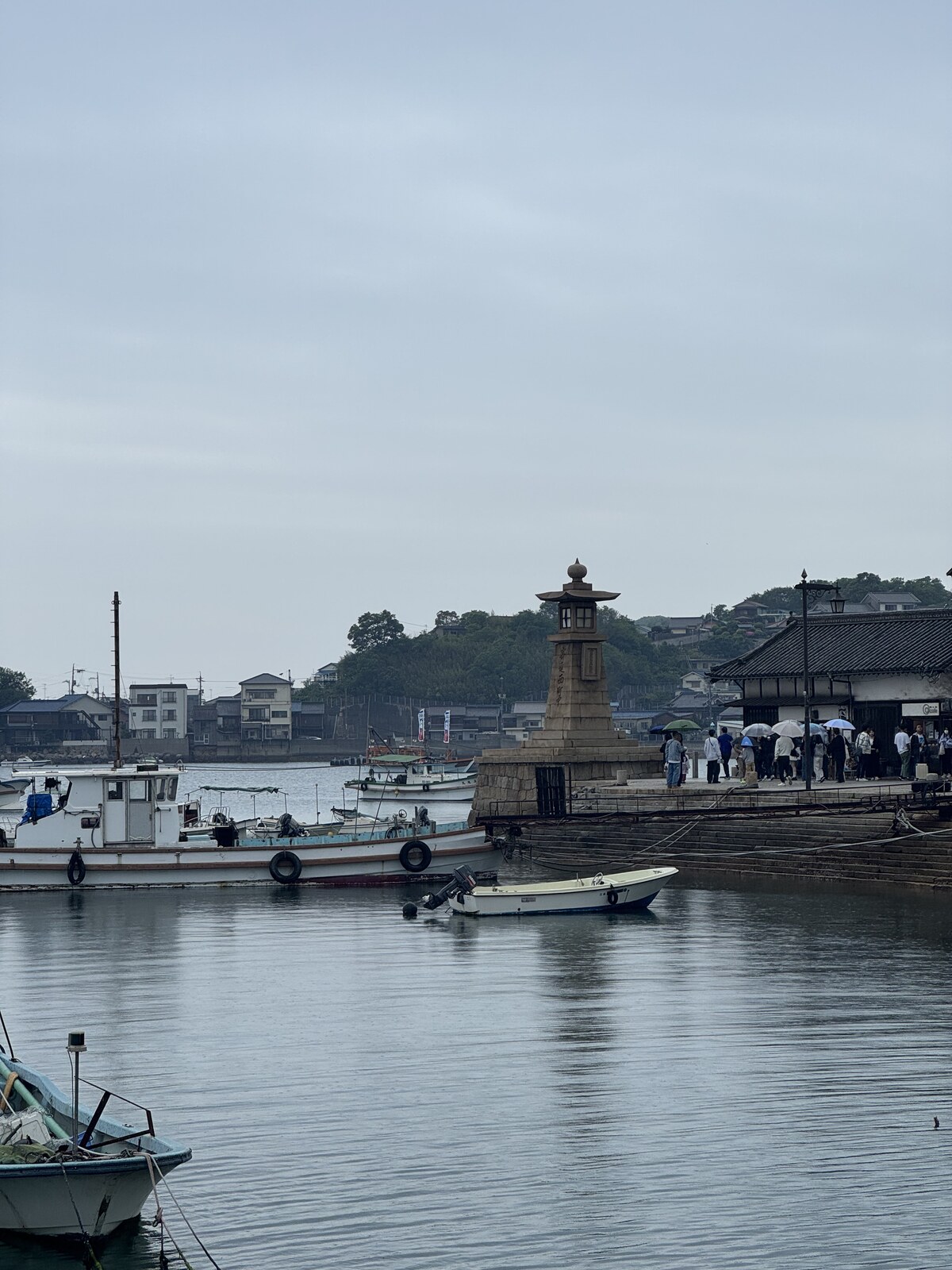
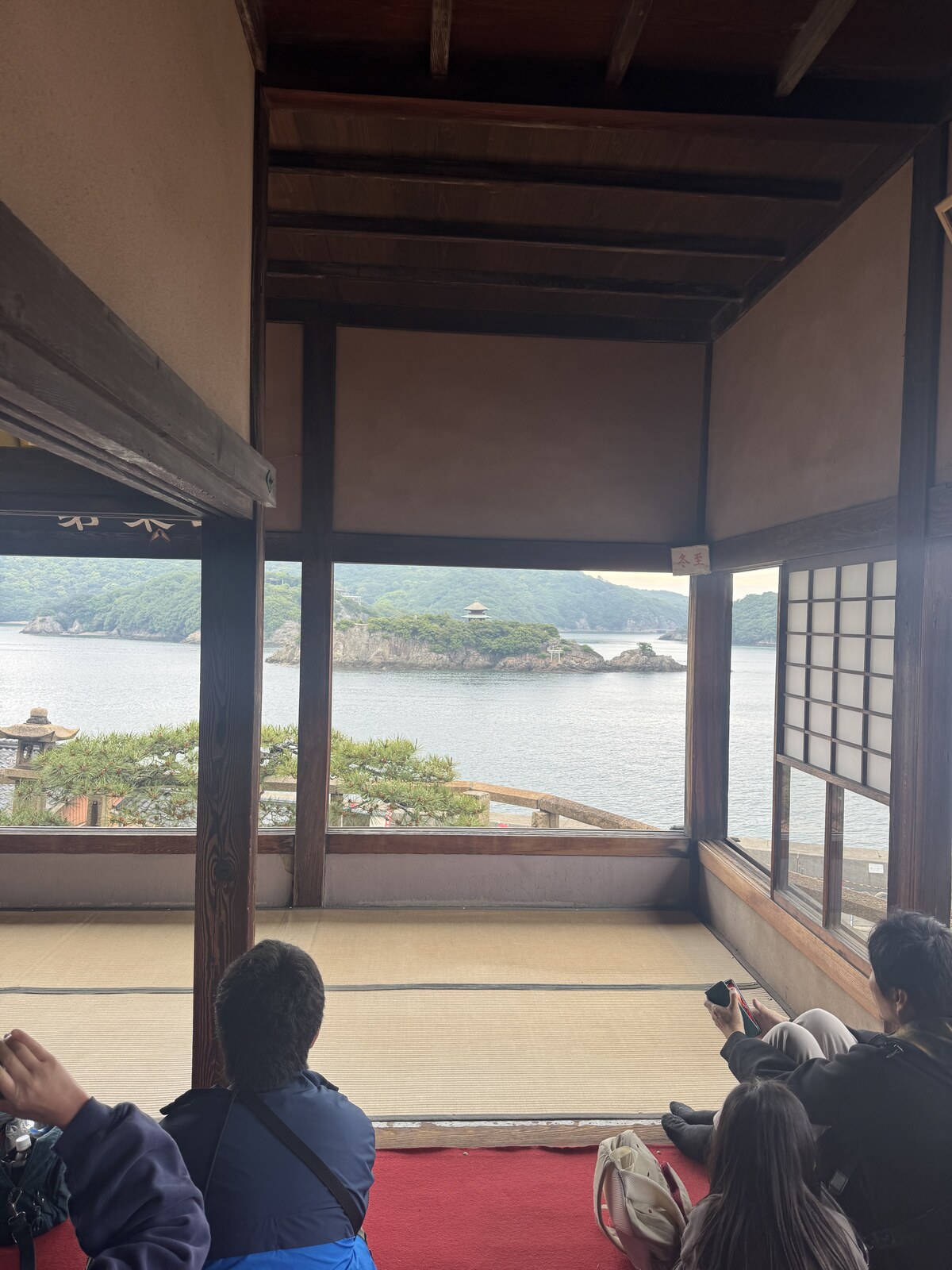
Tomonoura (鞆の浦) — The Tidal Harbor Town
Tomonoura has served as a vital port on the Seto Inland Sea tidal route since ancient times. It is the only place in Japan where the full ensemble of Edo-era port infrastructure still stands: the joya-do lighthouse, gangi stone steps, stone breakwater, and ship inspection office. The narrow lanes are packed with historical buildings that reveal something new at every turn. A quietly beautiful, time-stopped place — the perfect final destination for our journey.
⛽ Tomonoura / Tomo-cho, Fukuyama, Hiroshima🚆 Fukuyama dep. 15:41 → Shin-Yokohama arr. 18:56
9 days, approximately 1,400 km. Our long journey through Shikoku, Kyushu, Yamaguchi, and Hiroshima was over. Gazing out the Nozomi windows, we savored every last moment of the trip on the way home.
Looking Back on All 9 Days of Our GW Journey
Akiyoshido Cave — A Spectacular Underground World
Japan's largest limestone cave, Akiyoshido. The unbroken sequence of awe-inspiring formations — the Hundred Dish Terraces, the Golden Pillar, and more — in a constant 17°C environment was unlike anything else. Yamaguchi is worth visiting for this alone.
The Beauty of Kintaikyo, the Scale of Yamato Museum, and the Sweetness of Chateraise
The elegant curves of a wooden bridge built by master craftsmen; the overwhelming scale of the battleship Yamato model. Then, in the evening, Chateraise cakes and hot springs at Gateau Kingdom — a day that captured the very best of Yamaguchi and Hiroshima.
9 Days · ~1,400 km · 4 Shikoku Prefectures + 3 Kyushu Prefectures + Yamaguchi & Hiroshima
From a scooter ride across the Shimanami Kaido to the turquoise Niyodo River, Cape Ashizuri, a ferry to Kyushu, the mythology of Takachiho, punting in Yanagawa, Akiyoshido Cave, Kintaikyo Bridge, Yamato Museum, and Tomonoura. An almost absurdly rich GW adventure.