NAGASAKI · UNZEN · SHIMABARA
Volcanic springs, a classic hotel founded in 1935, and the Shimabara Peninsula
In/out of Nagasaki Airport + a rental-car loop around the Shimabara Peninsula
Built on an AI-generated plan. A trip full of unplanned discoveries too — the night views of Unzen Hell, the hotel bar and more.
Saturday, 13 June 2026 | Sunny, later cloudy


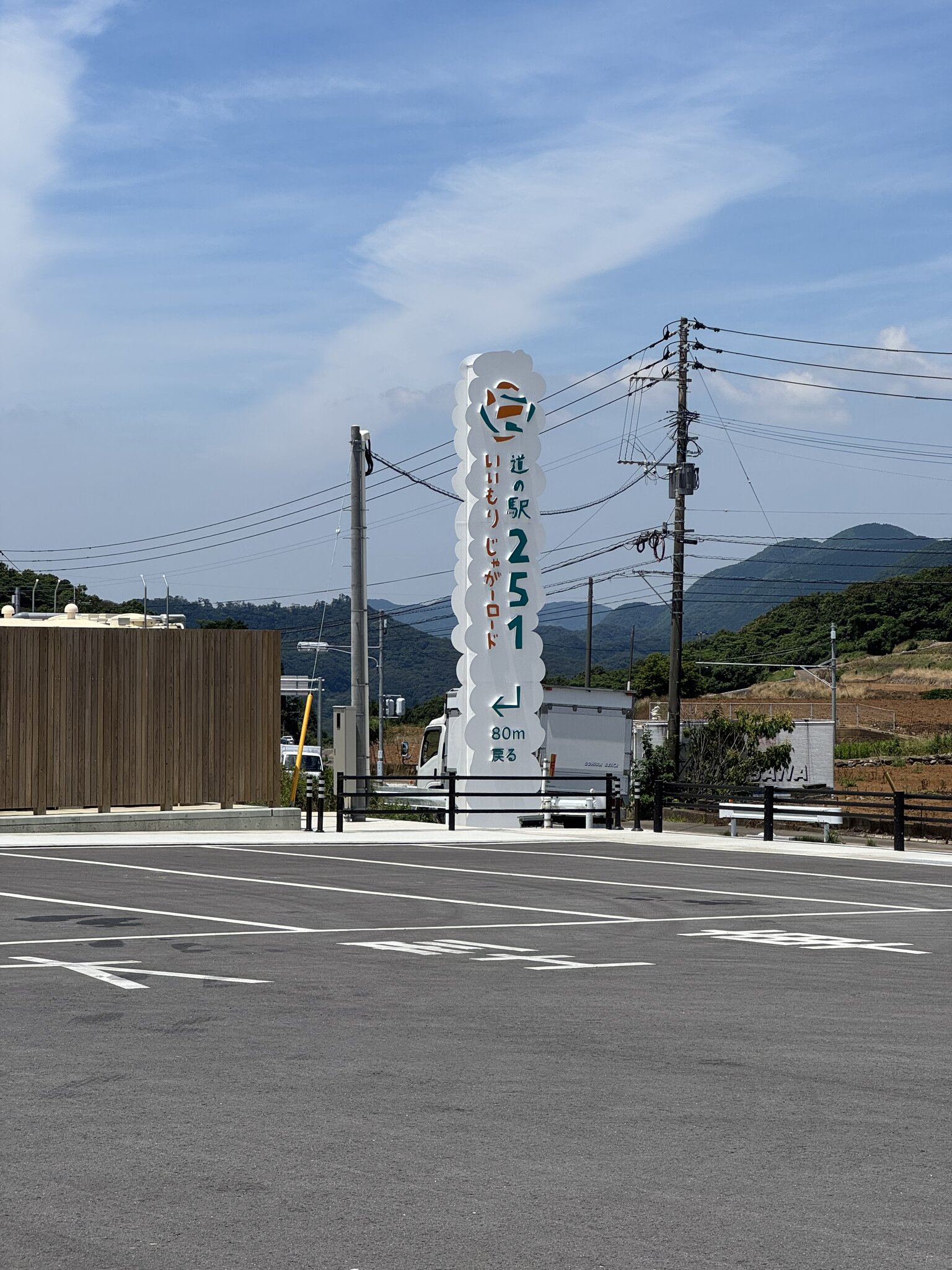
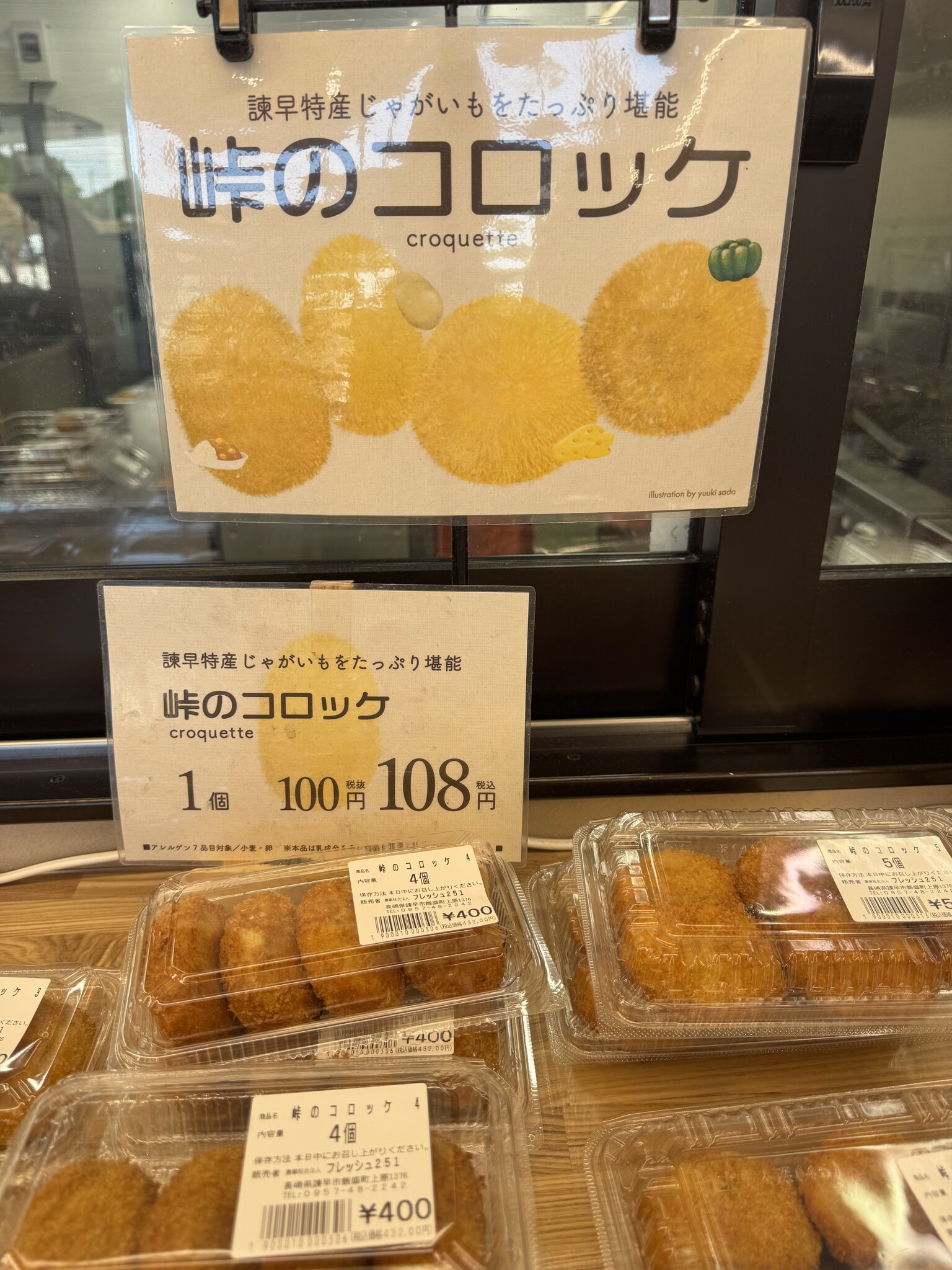
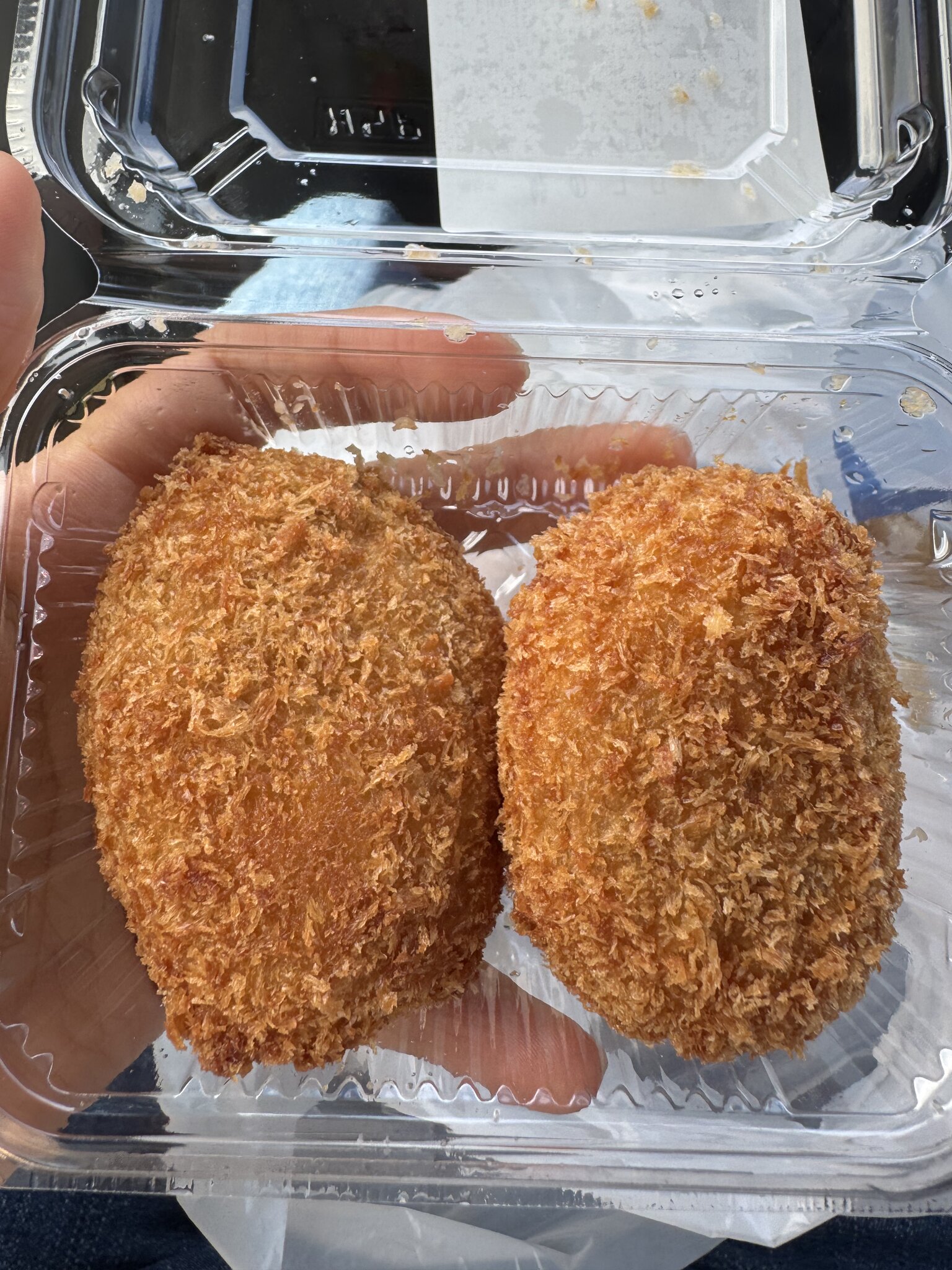
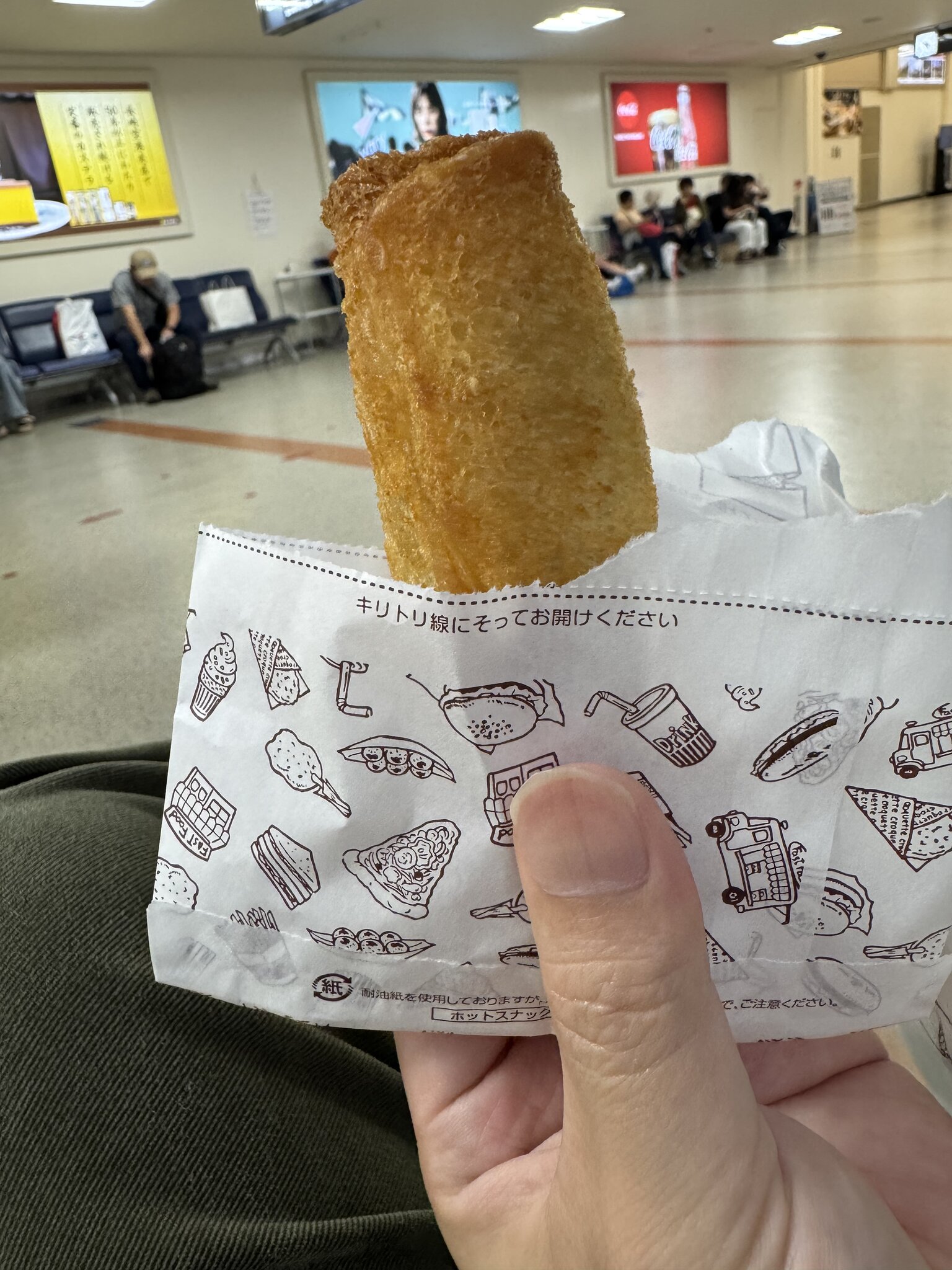
A just-opened roadside station along National Route 251 linking Nagasaki and Unzen. Its signature "mountain-pass croquette" (108 yen each) is packed with Isahaya's specialty potatoes — best eaten hot on the spot. There's also a wide range of processed goods like potato chips.


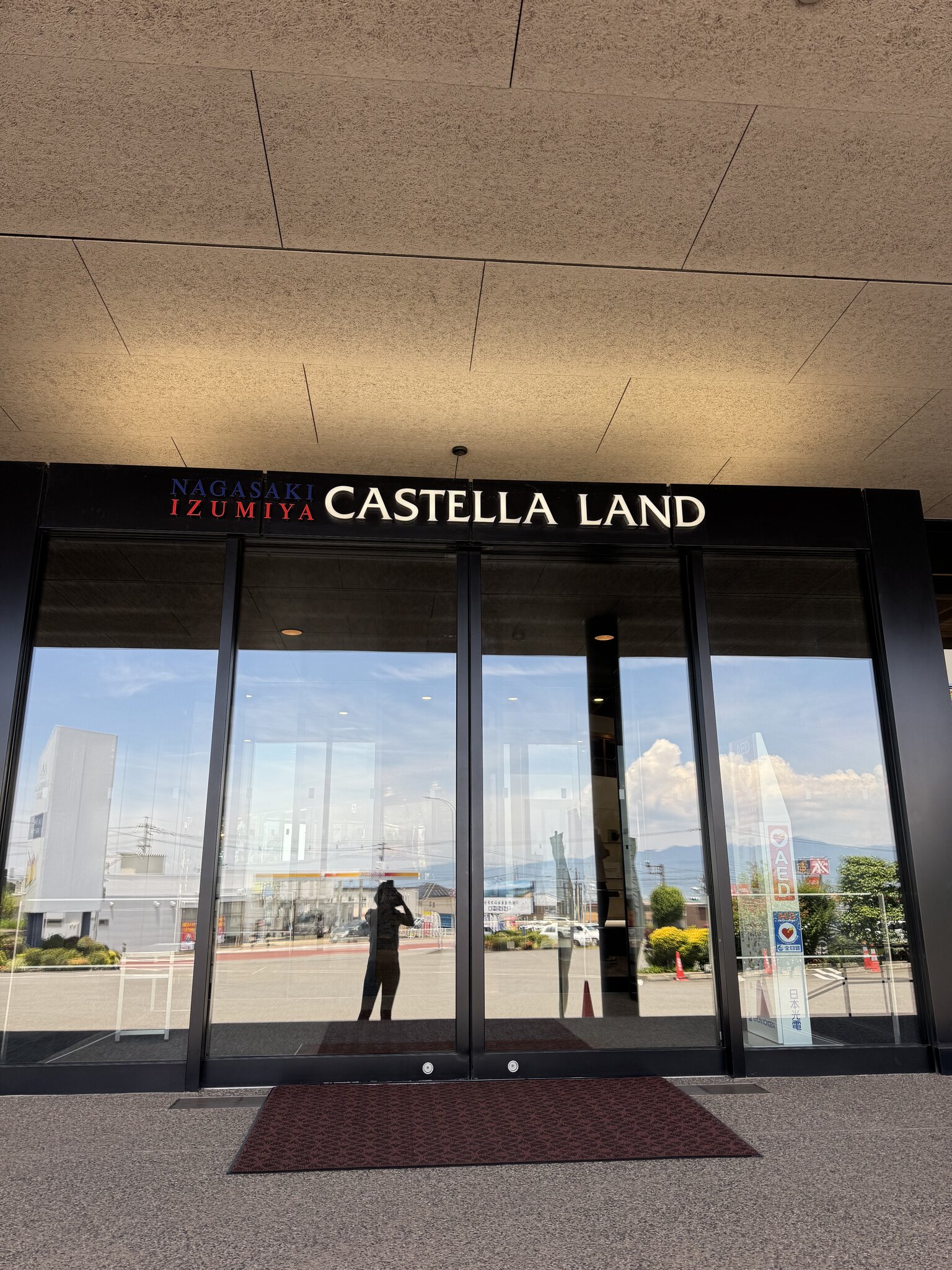
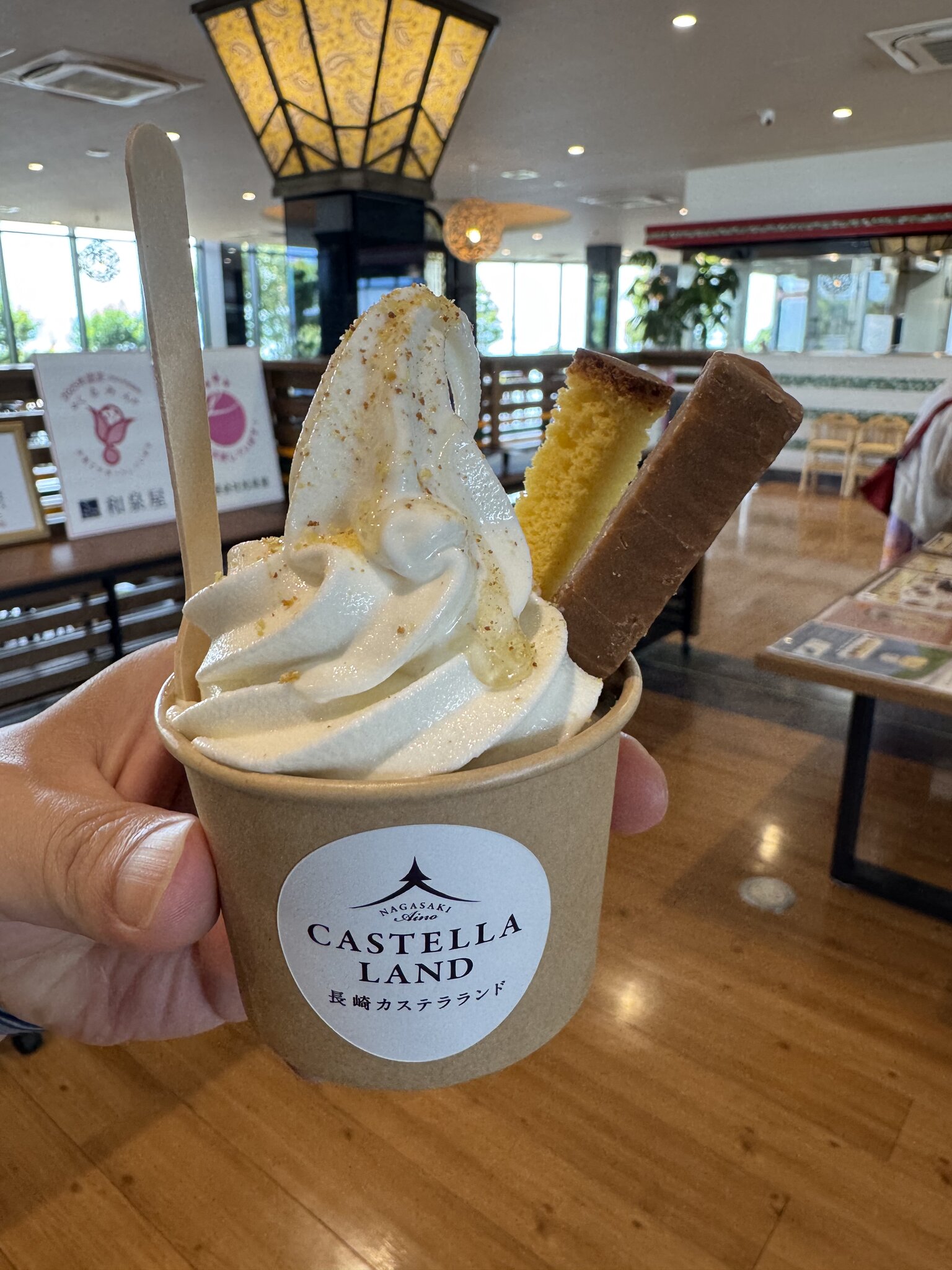
A castella (sponge cake) factory and shop run by Izumiya. Set on a spot overlooking Chijiwa Bay, it's stocked with freshly baked castella and Nagasaki souvenirs. The soft serve made with castella ingredients is indulgent, with a granular sugar texture and a sweet aroma.


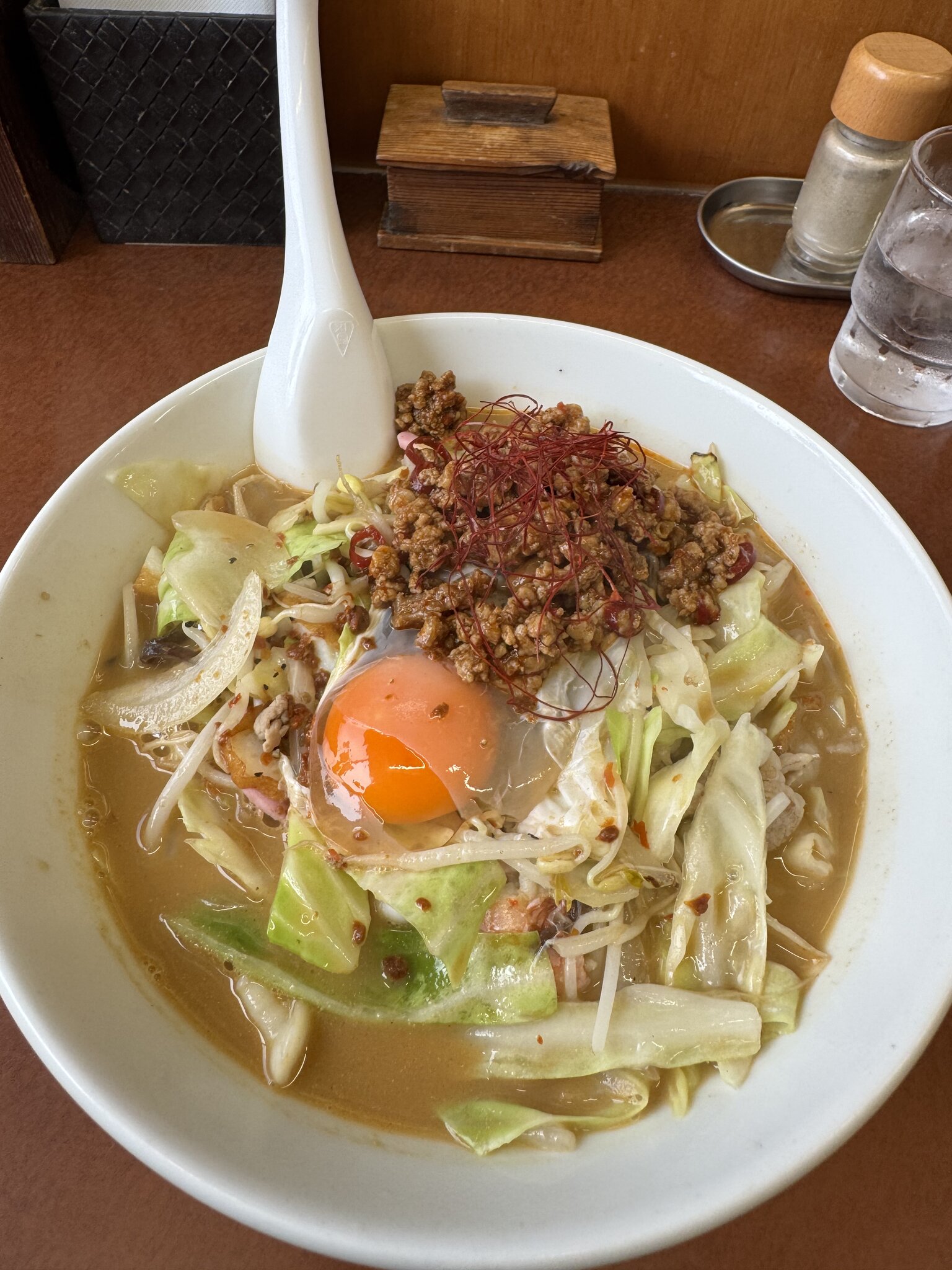
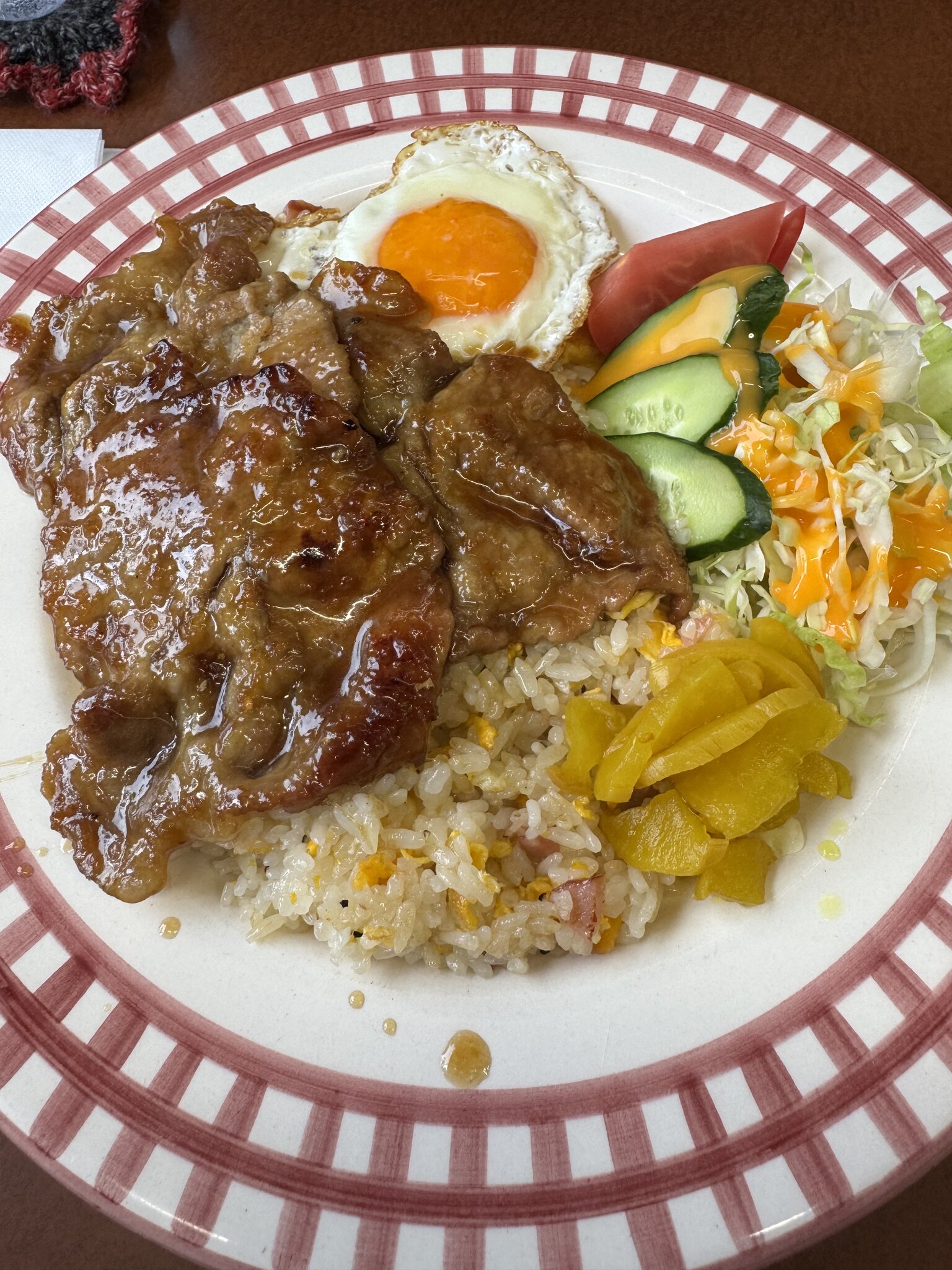
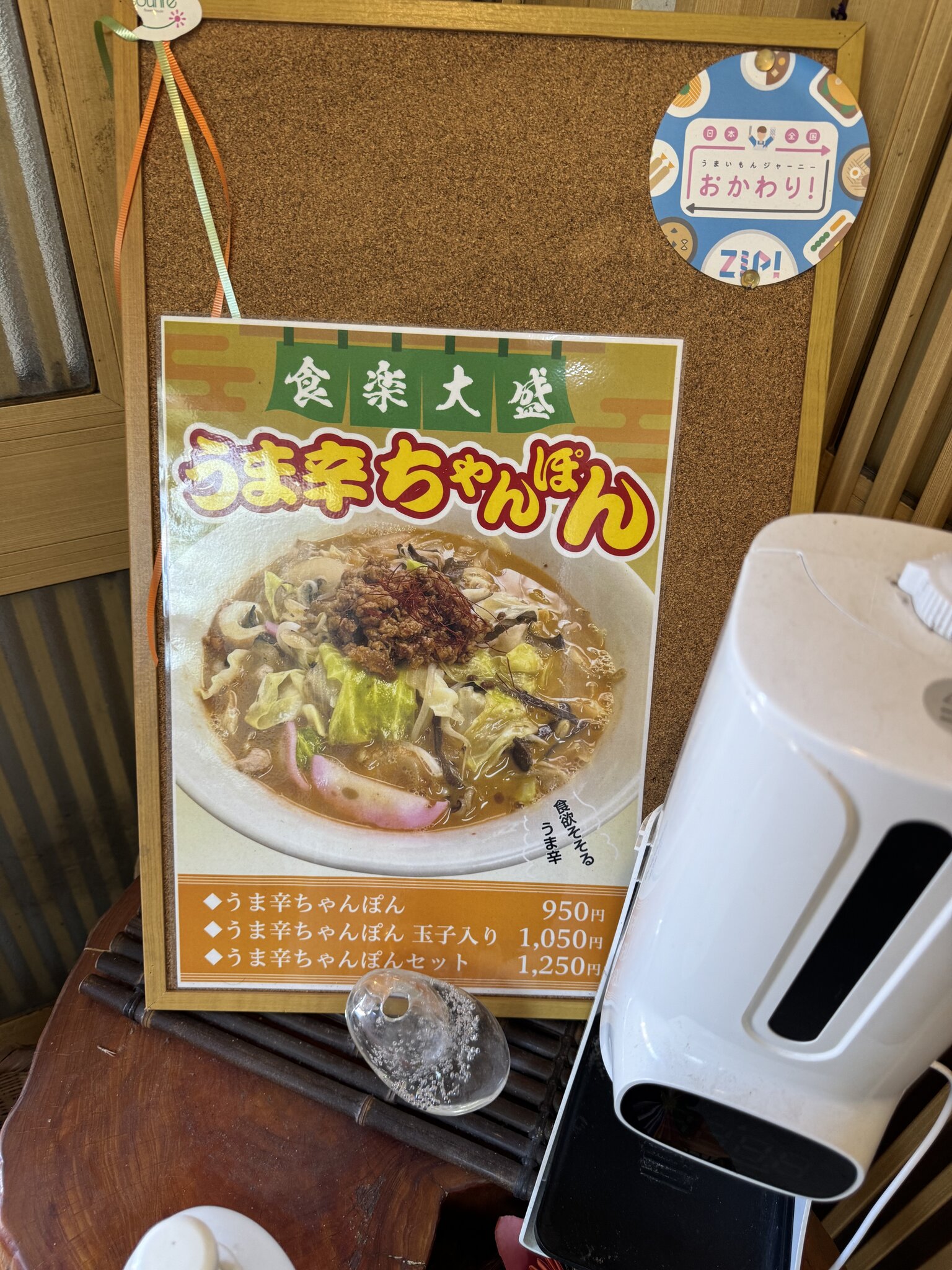
A long-established diner in Obama Onsen, in business for over 60 years. The order: "spicy-savory champon" and "Turbo Rice." The champon is a rich, mildly hot broth with a raw egg stirred in — deeply umami beneath the heat with a generous, satisfying portion. The Turbo Rice is a power-packed bowl piled high with toppings.


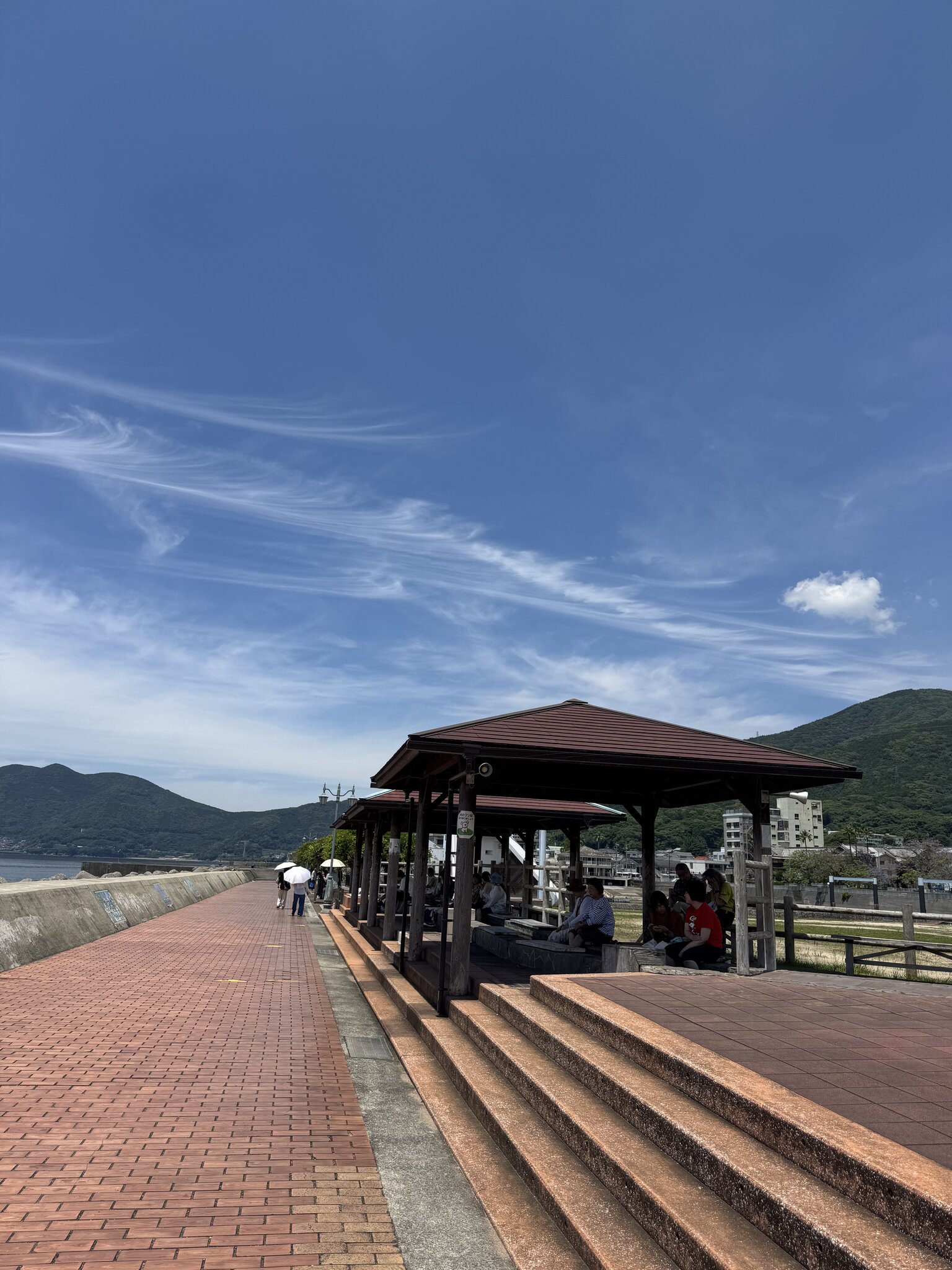
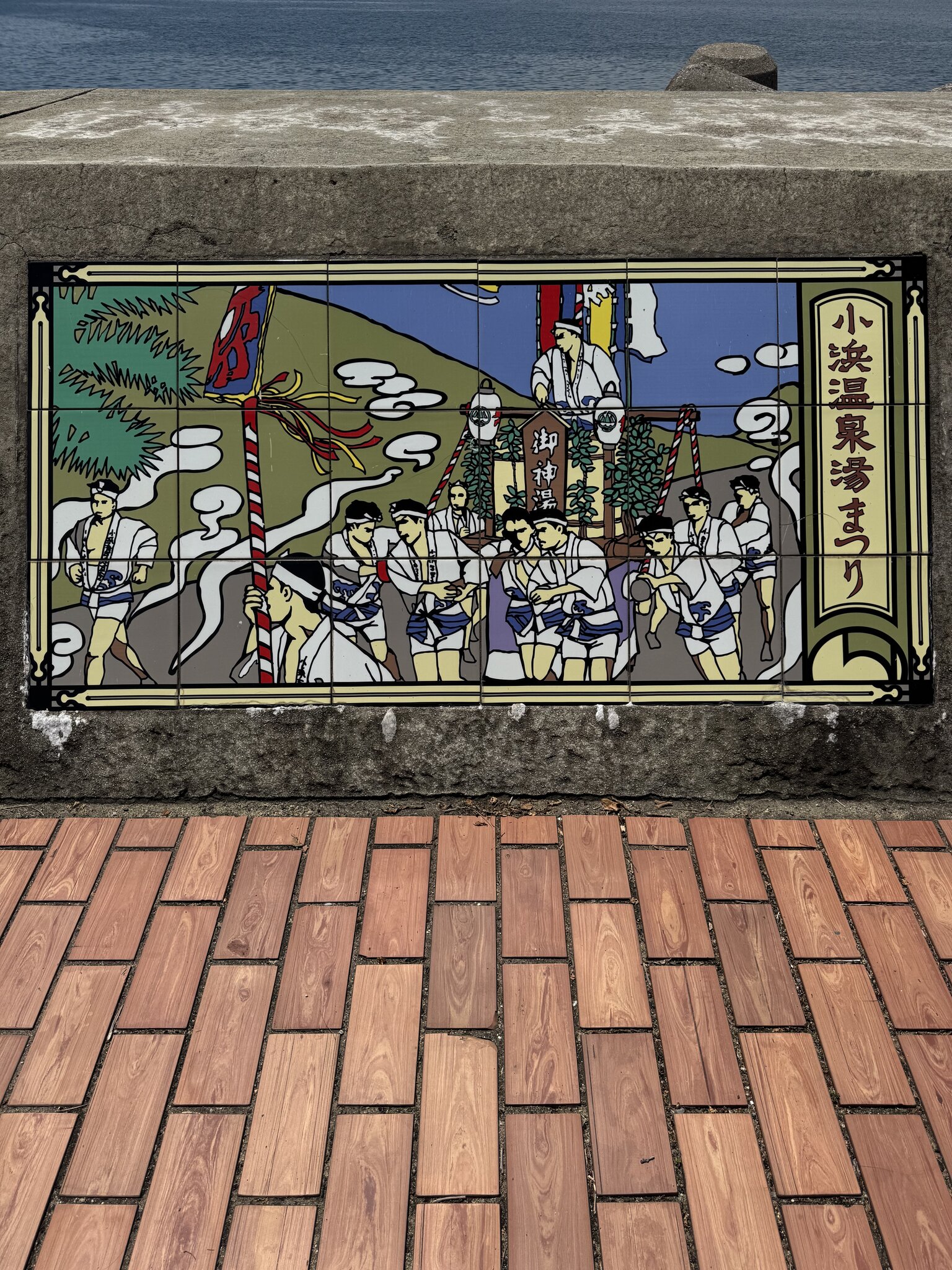
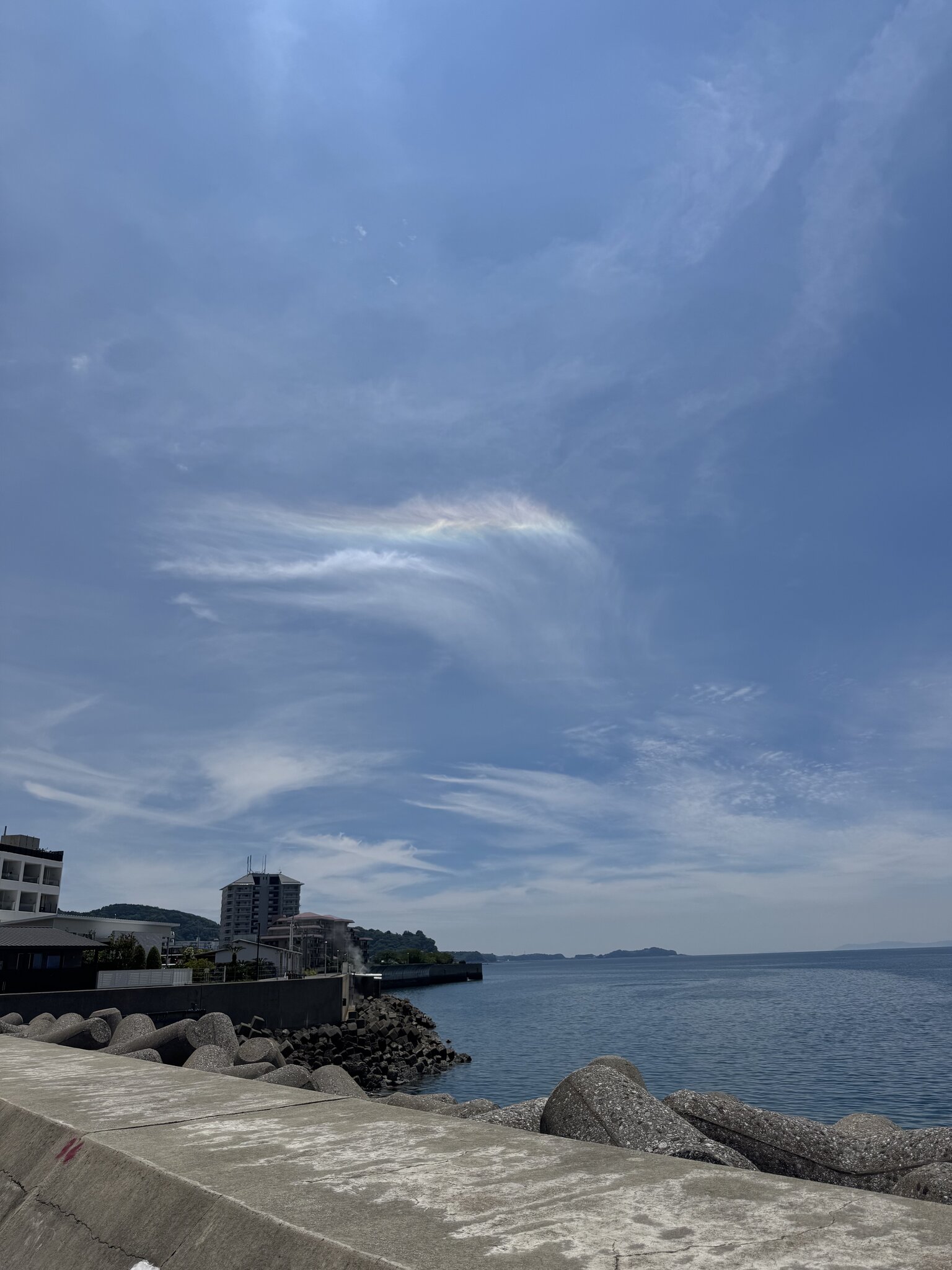
A Guinness-certified foot bath, at 105 meters the longest in the world. In an open setting overlooking Tachibana Bay, you can relax while soaking your feet in the hot-spring source. An iridescent cloud appeared over the breakwater beside the bath and held my gaze for a while. The wall is decorated with tile art of the "Obama Onsen Yu Festival," giving a sense of the local festival culture.


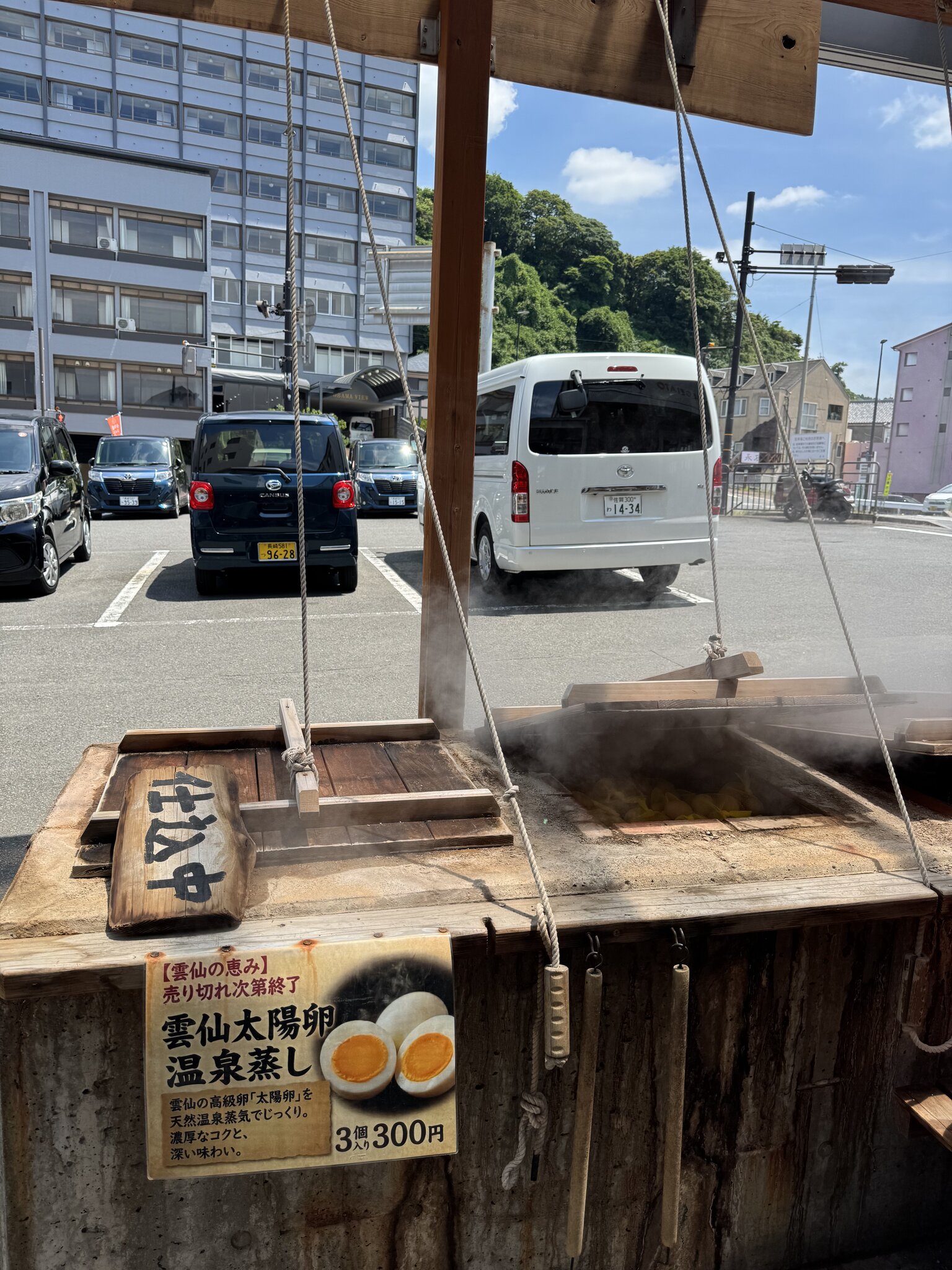
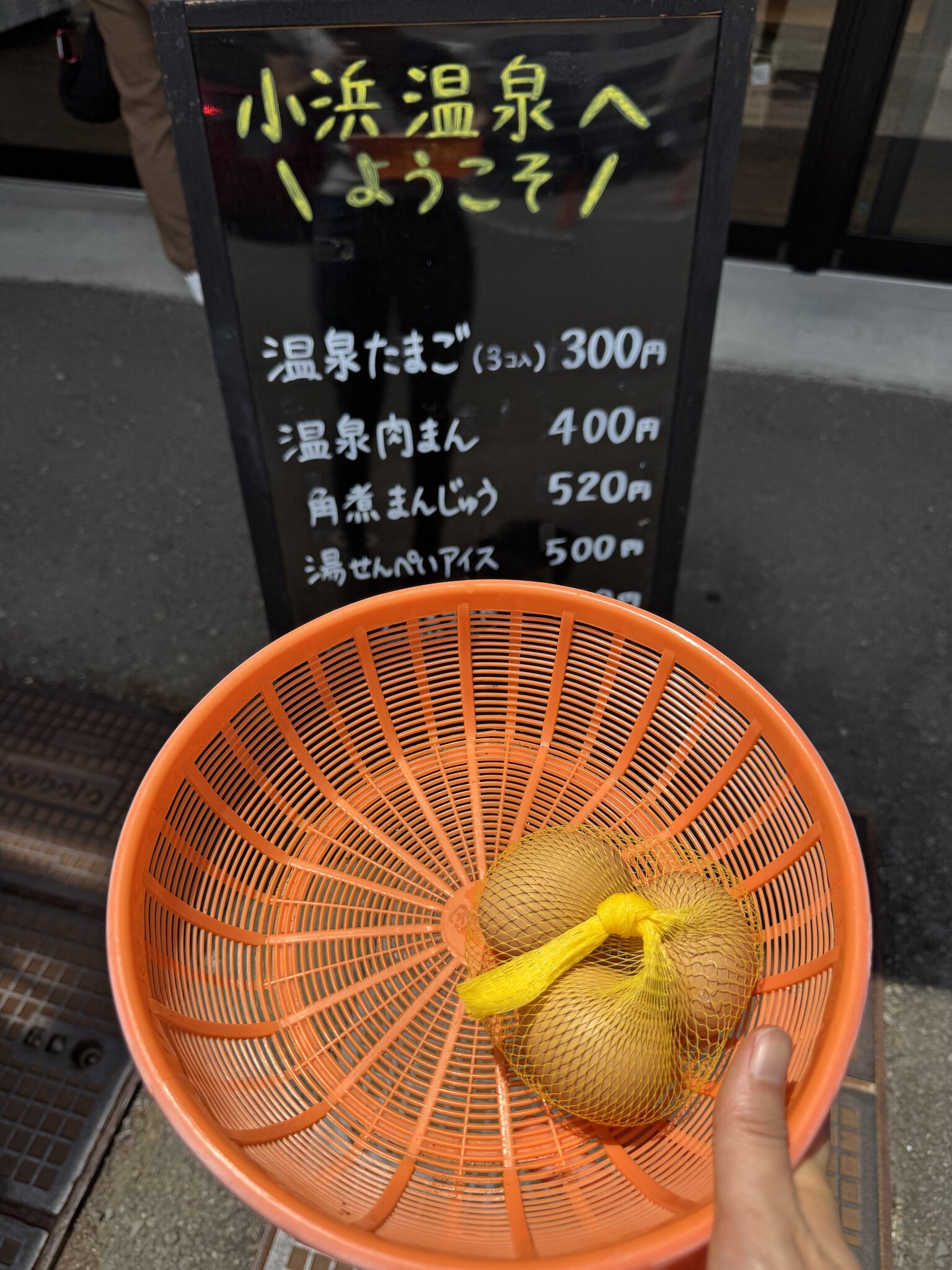
Right by the foot-bath area sits a little hut for "Unzen Sun Egg steamed in the hot spring." Three eggs steamed in the vapor for 300 yen. The distinctive texture from being slowly steamed in the hot-spring vapor is exceptional — a very travel-like moment, eaten in front of the "Welcome to Obama Onsen" sign.


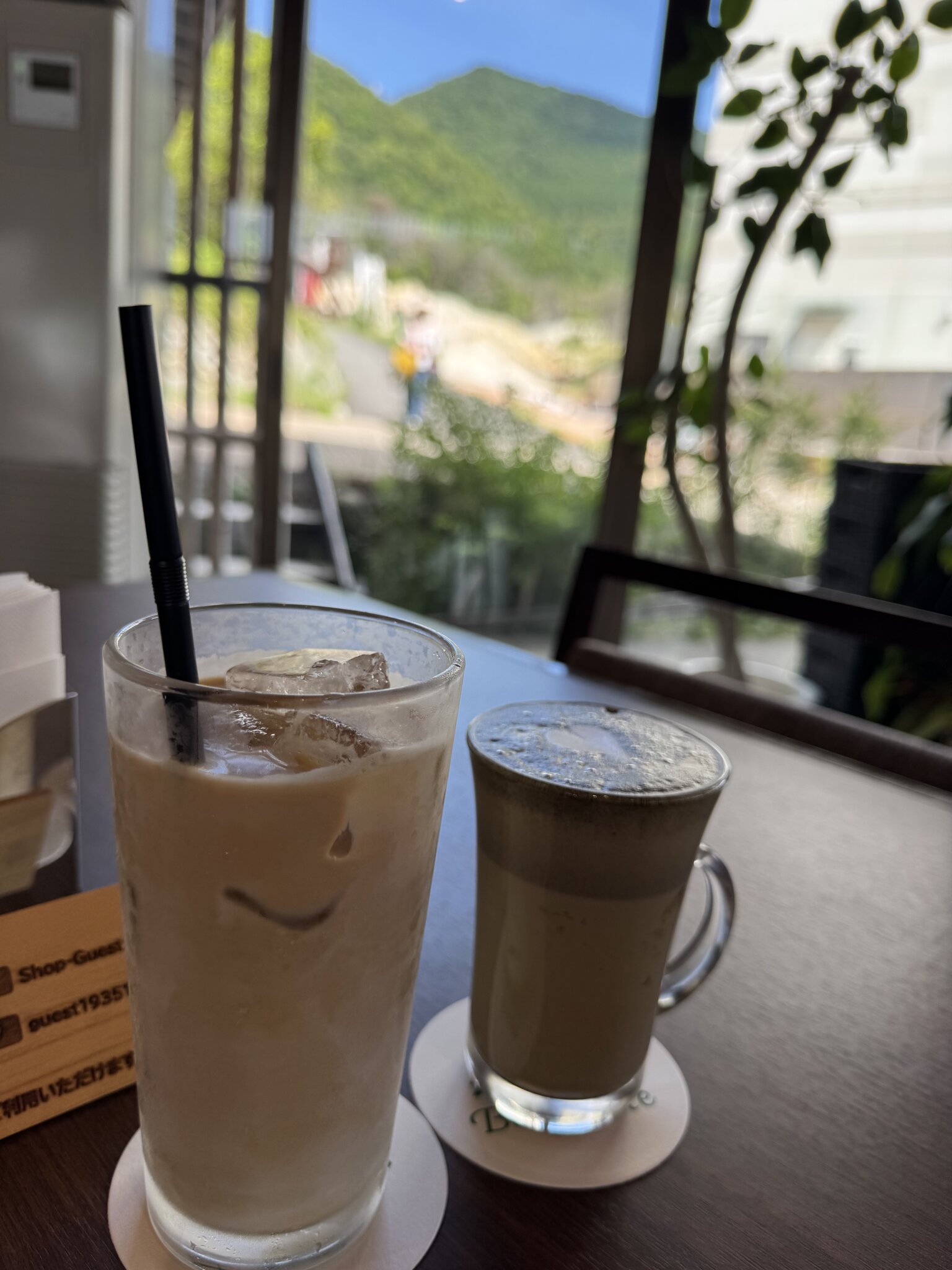
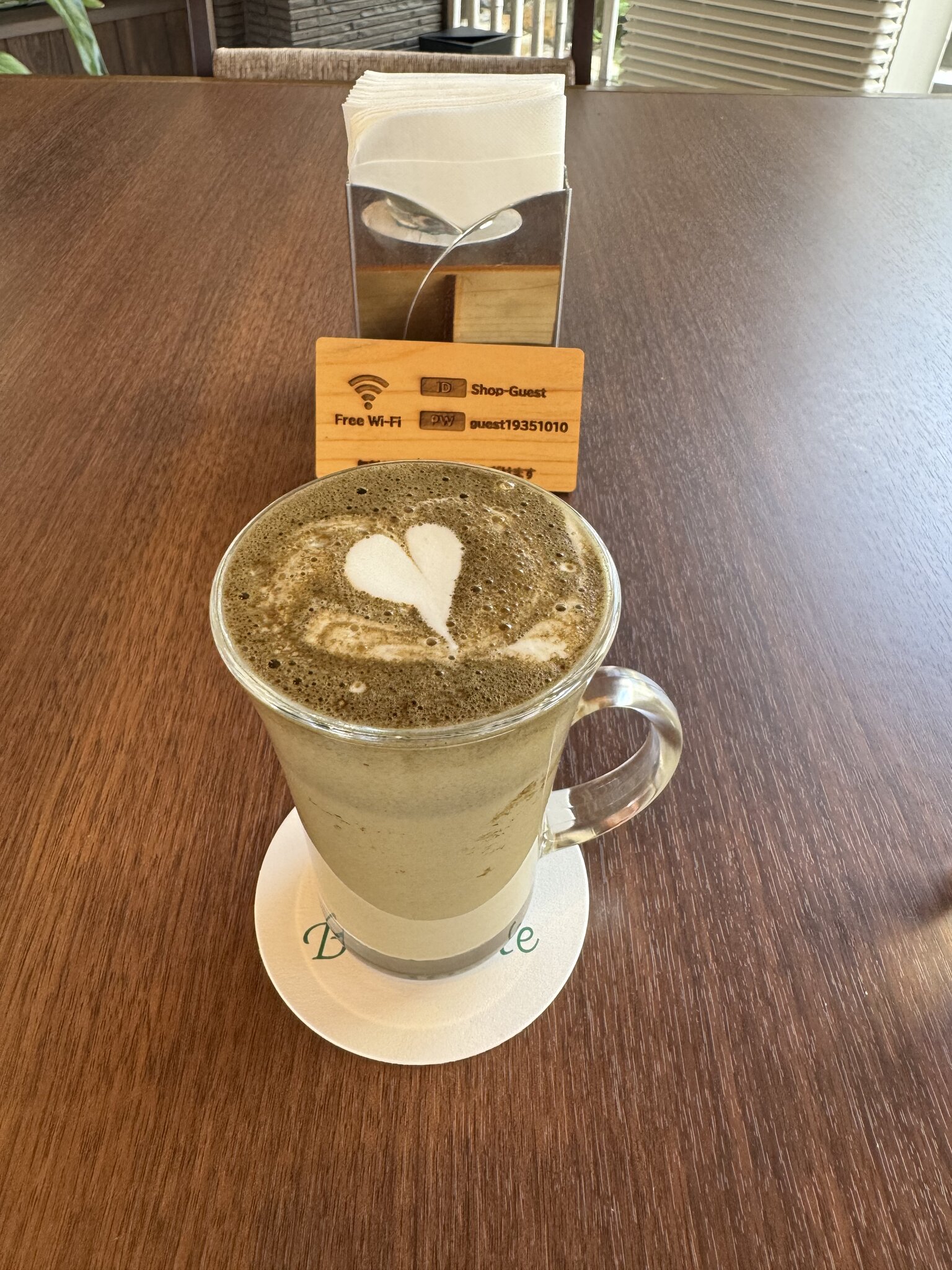
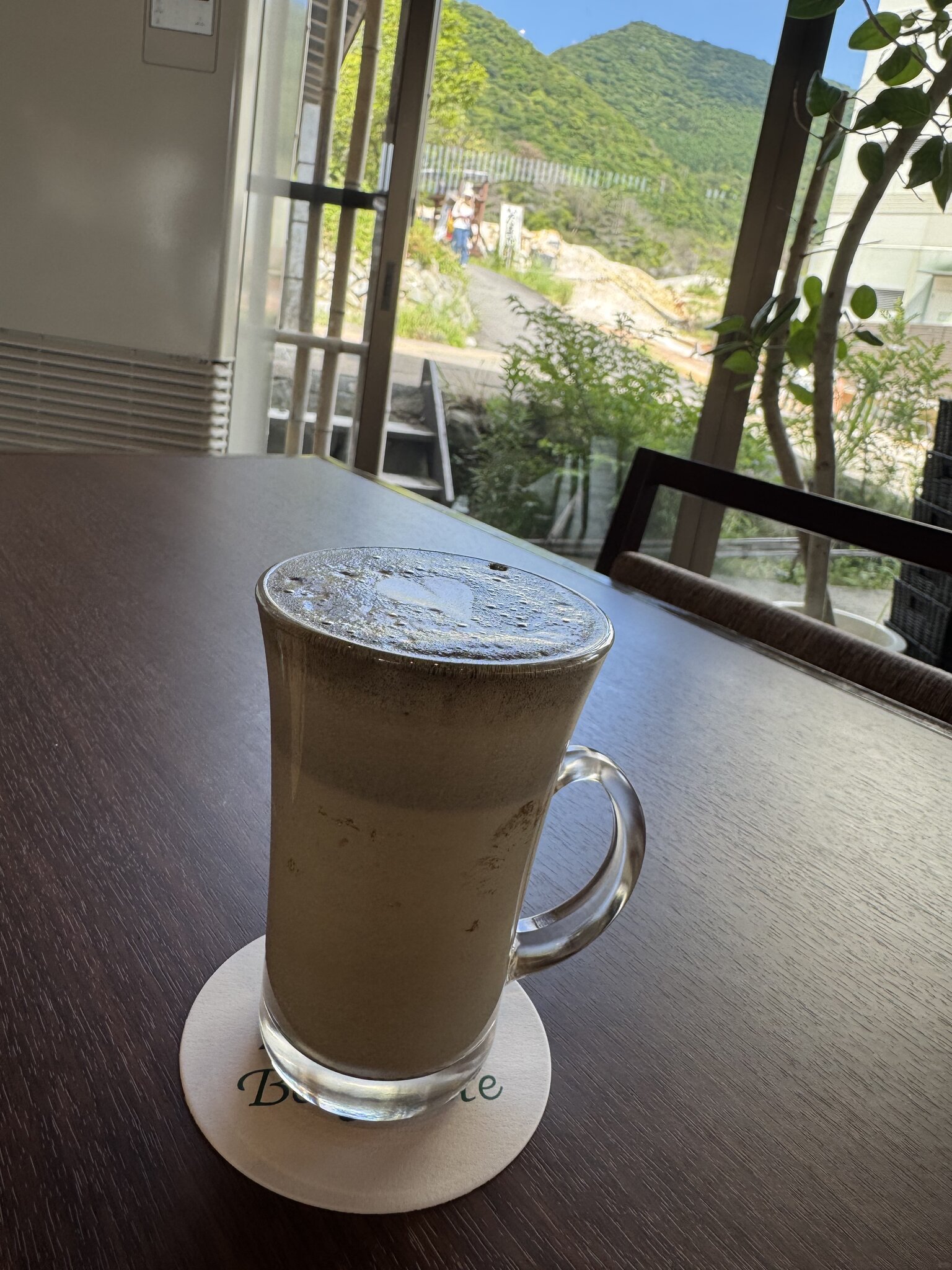
An antenna shop opened by the Unzen Kanko Hotel in September 2024. Right next to Unzen Hell, its windows frame the landscape of steaming vents. The matcha latte has a lovely heart design, and there's a good range of sweets made with ingredients sent straight from the hotel. Café hours run until 15:30.


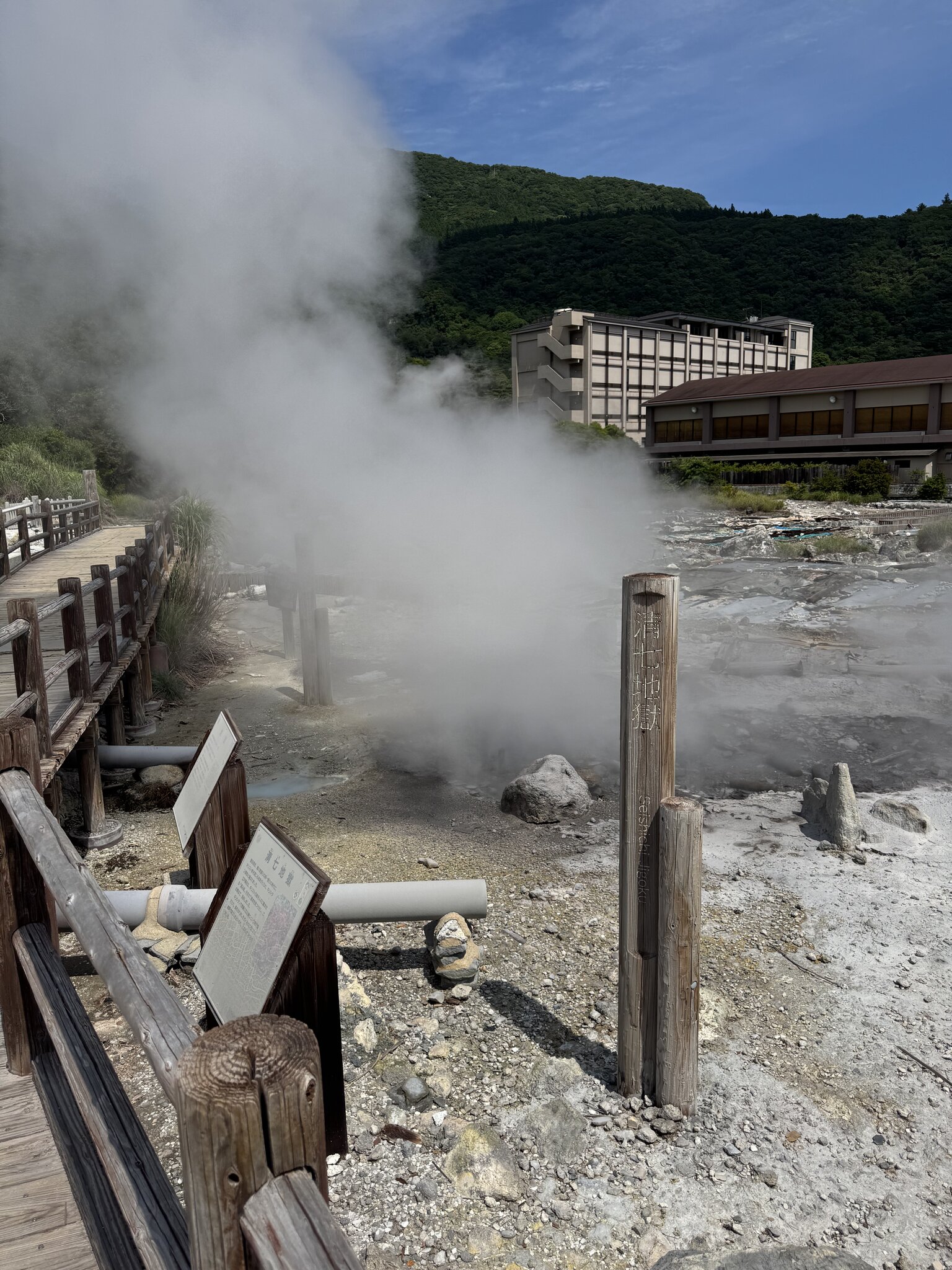
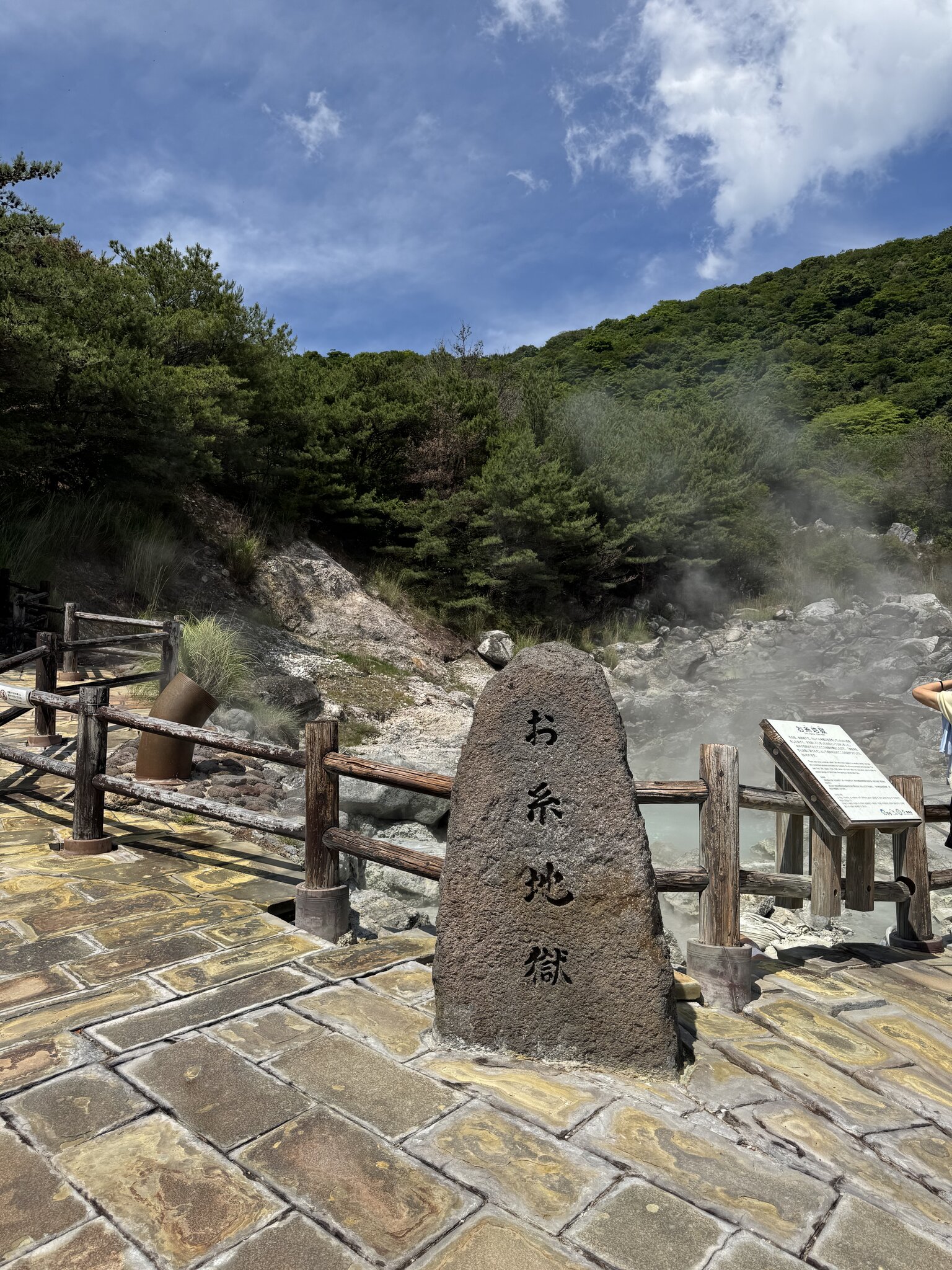
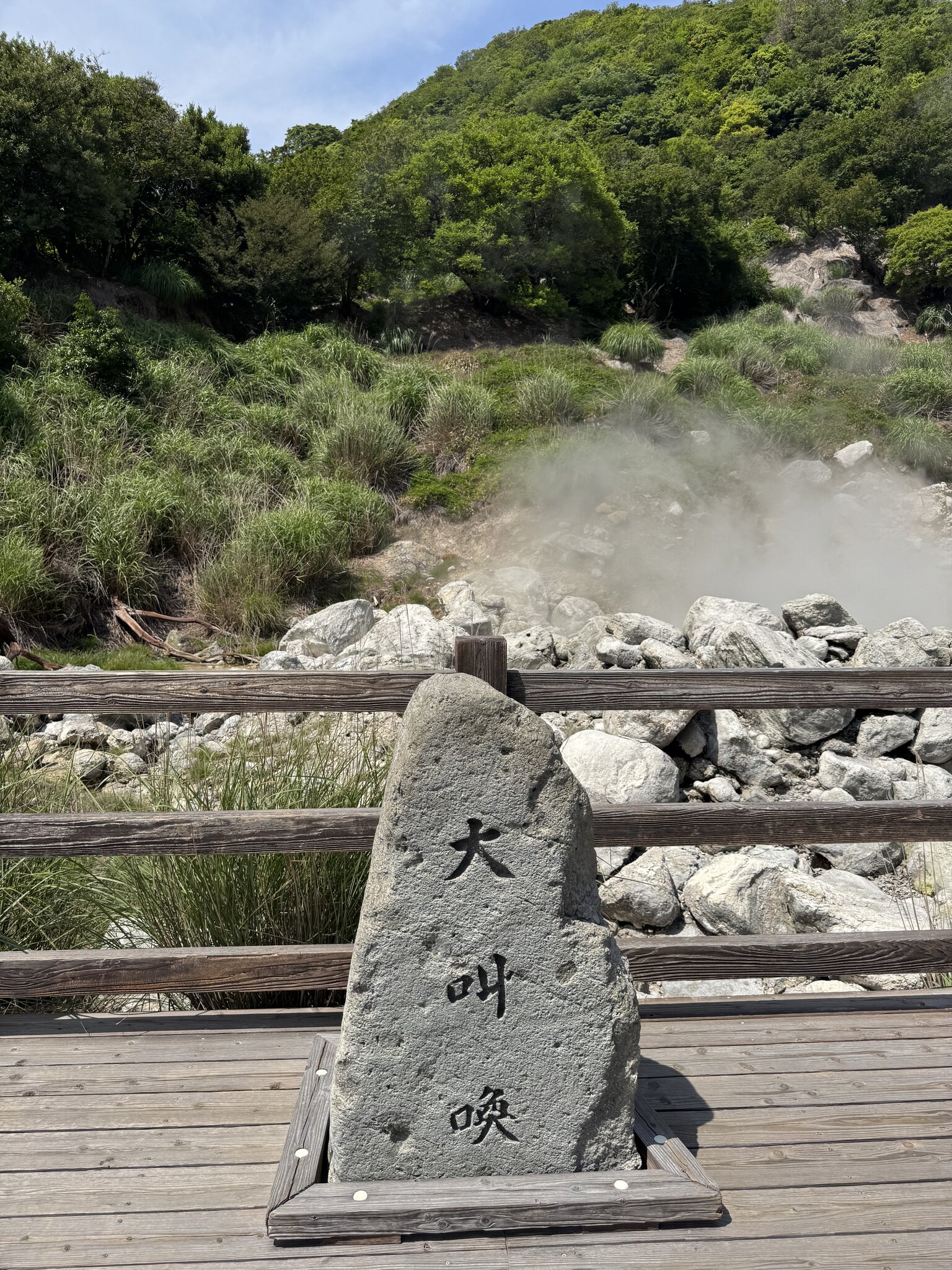
A landmark of Unzen National Park with more than 30 steam vents and mud volcanoes scattered about. We looped the walking trail past named vents like "Oito Hell" and "Daikyokan (Great Screaming) Hell." Walking through the scent of sulfur and white steam really makes you feel the power of the earth — and it's free to drop in.


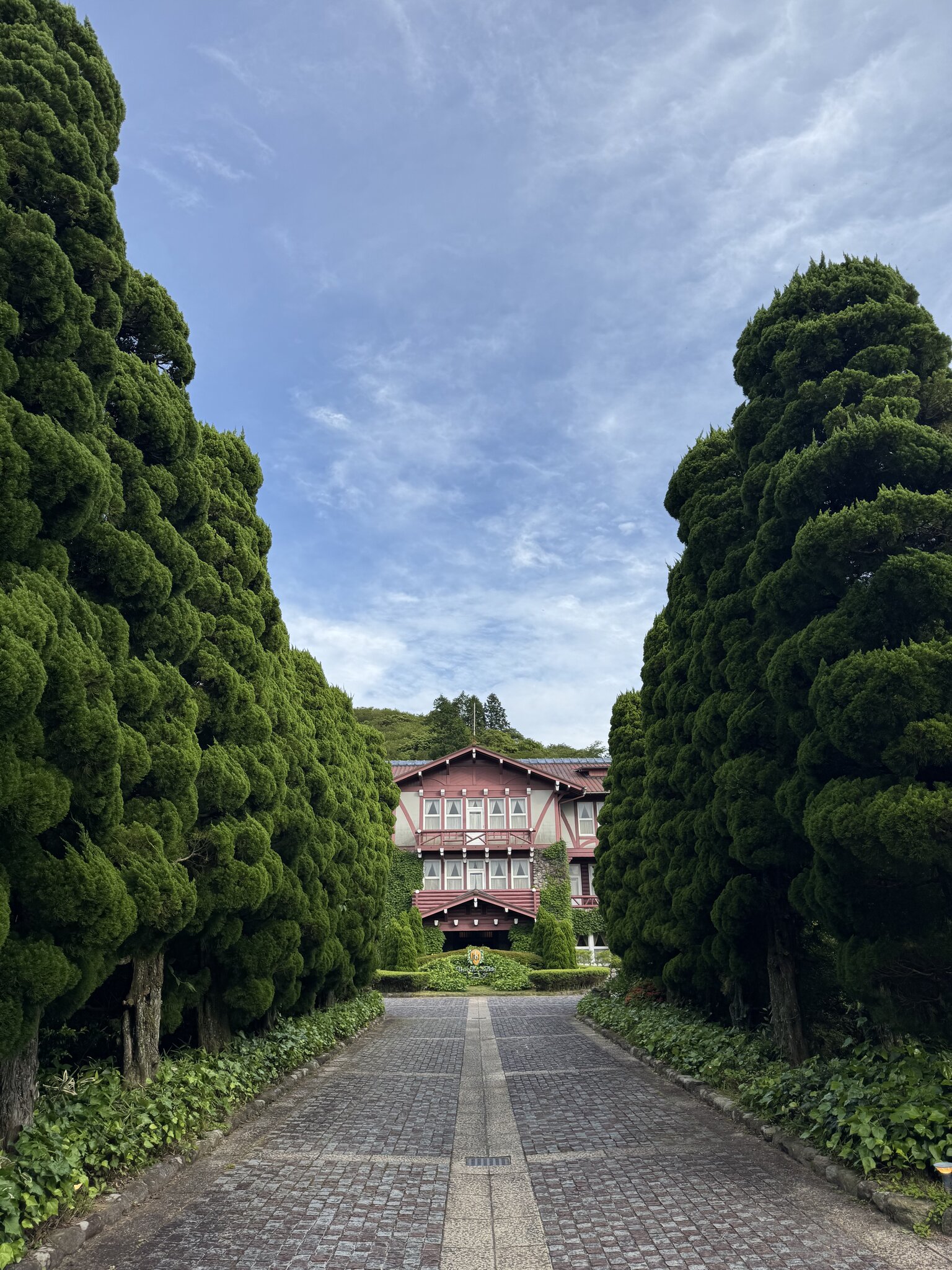
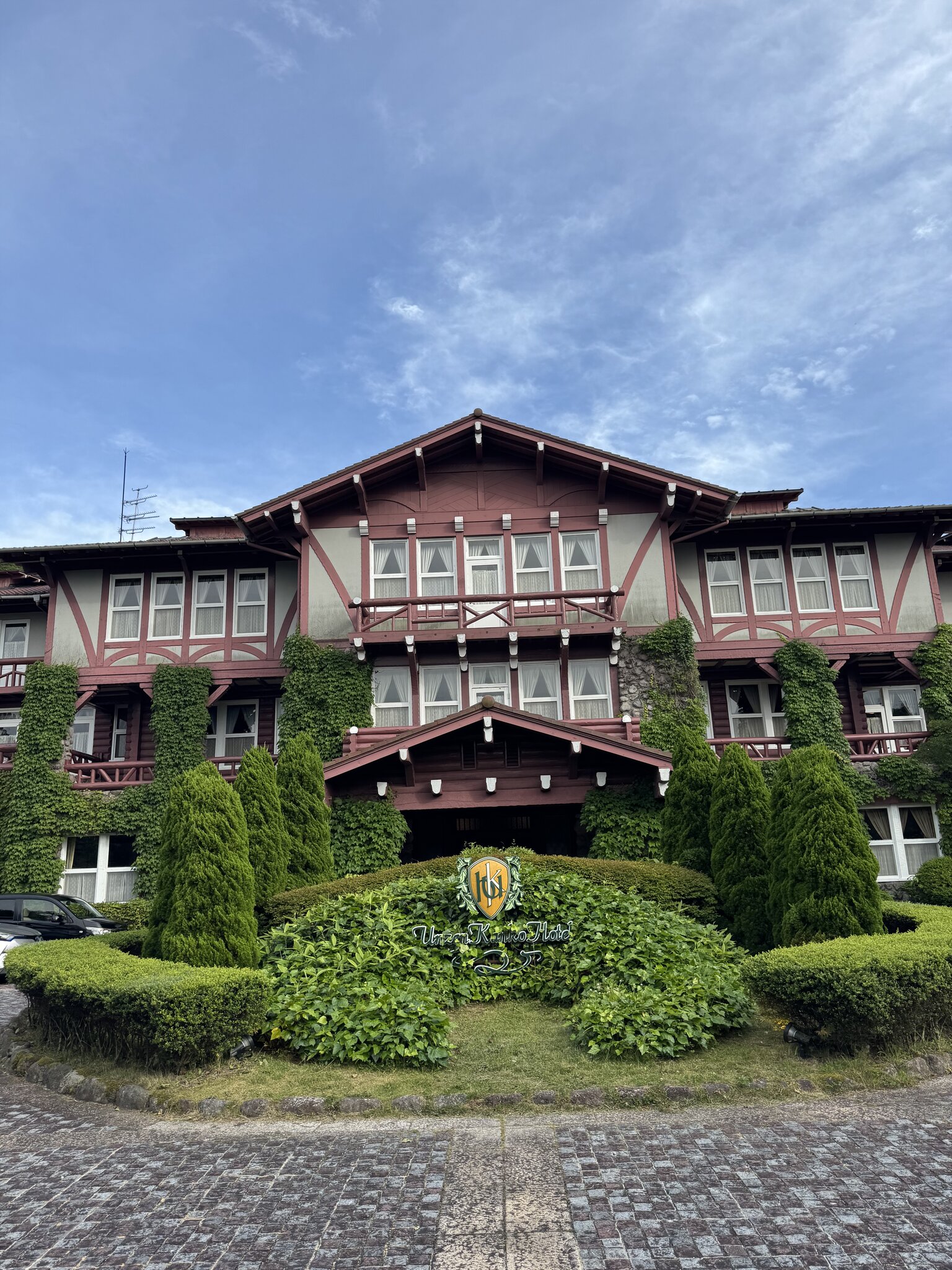
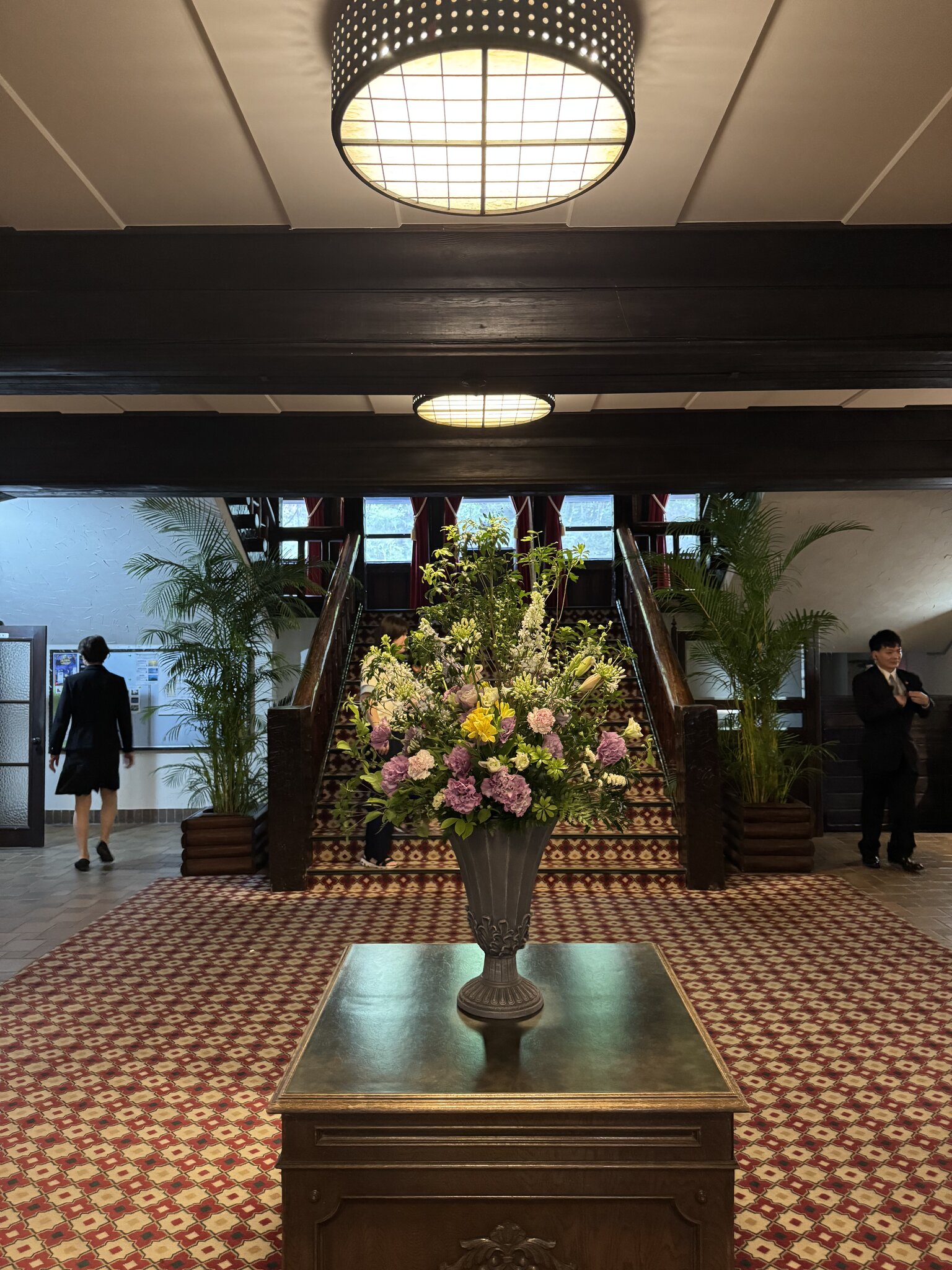
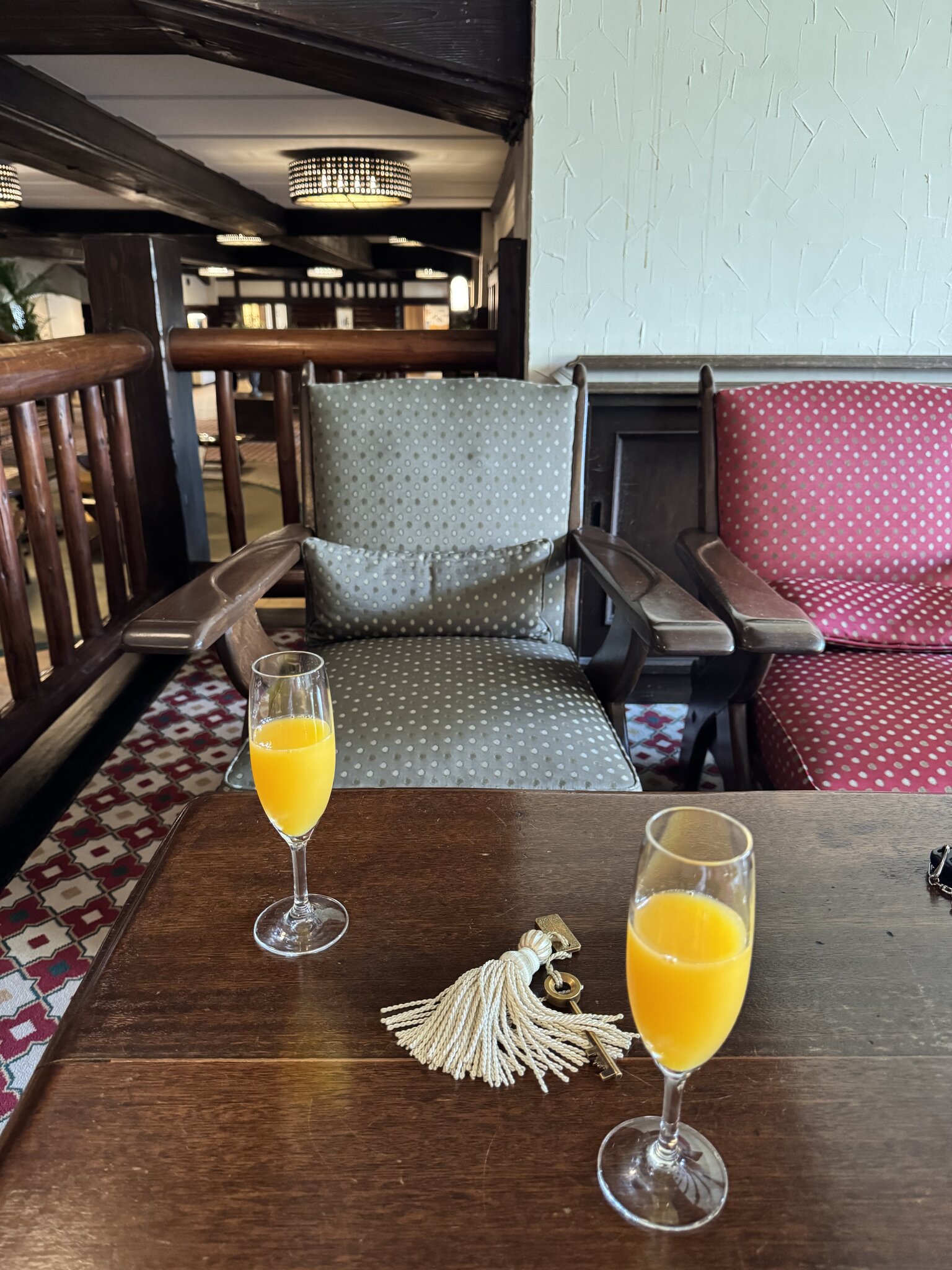
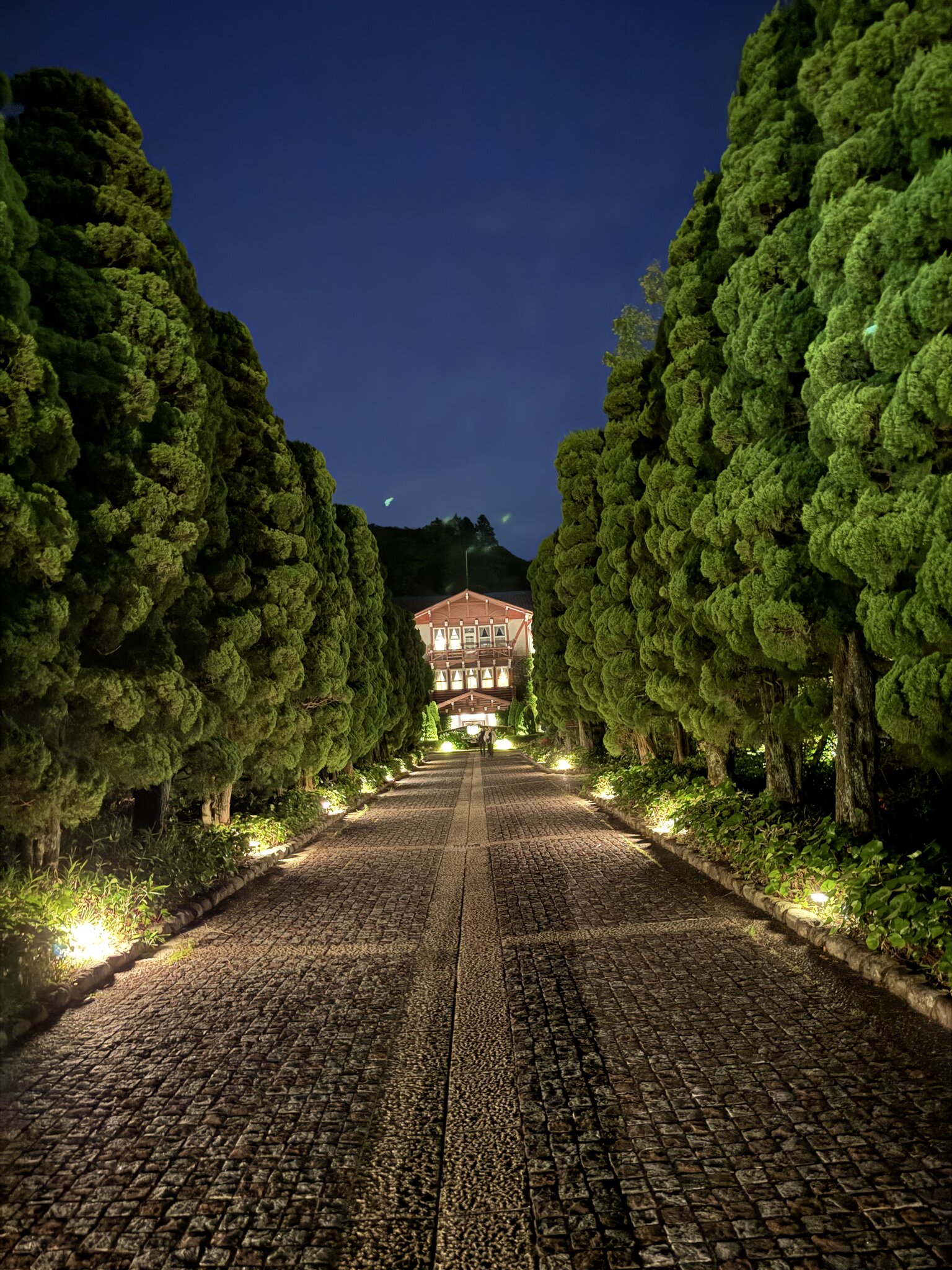
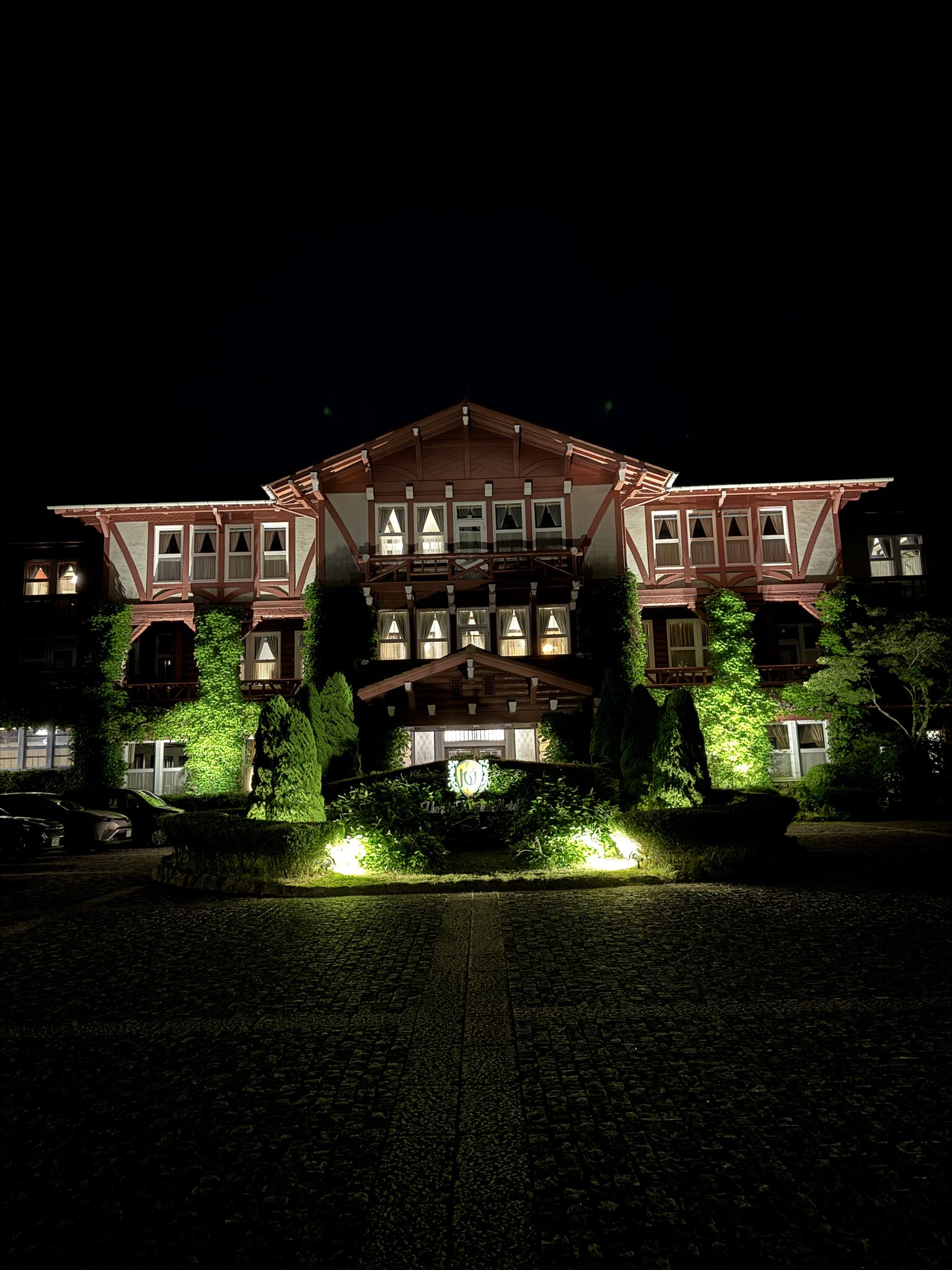
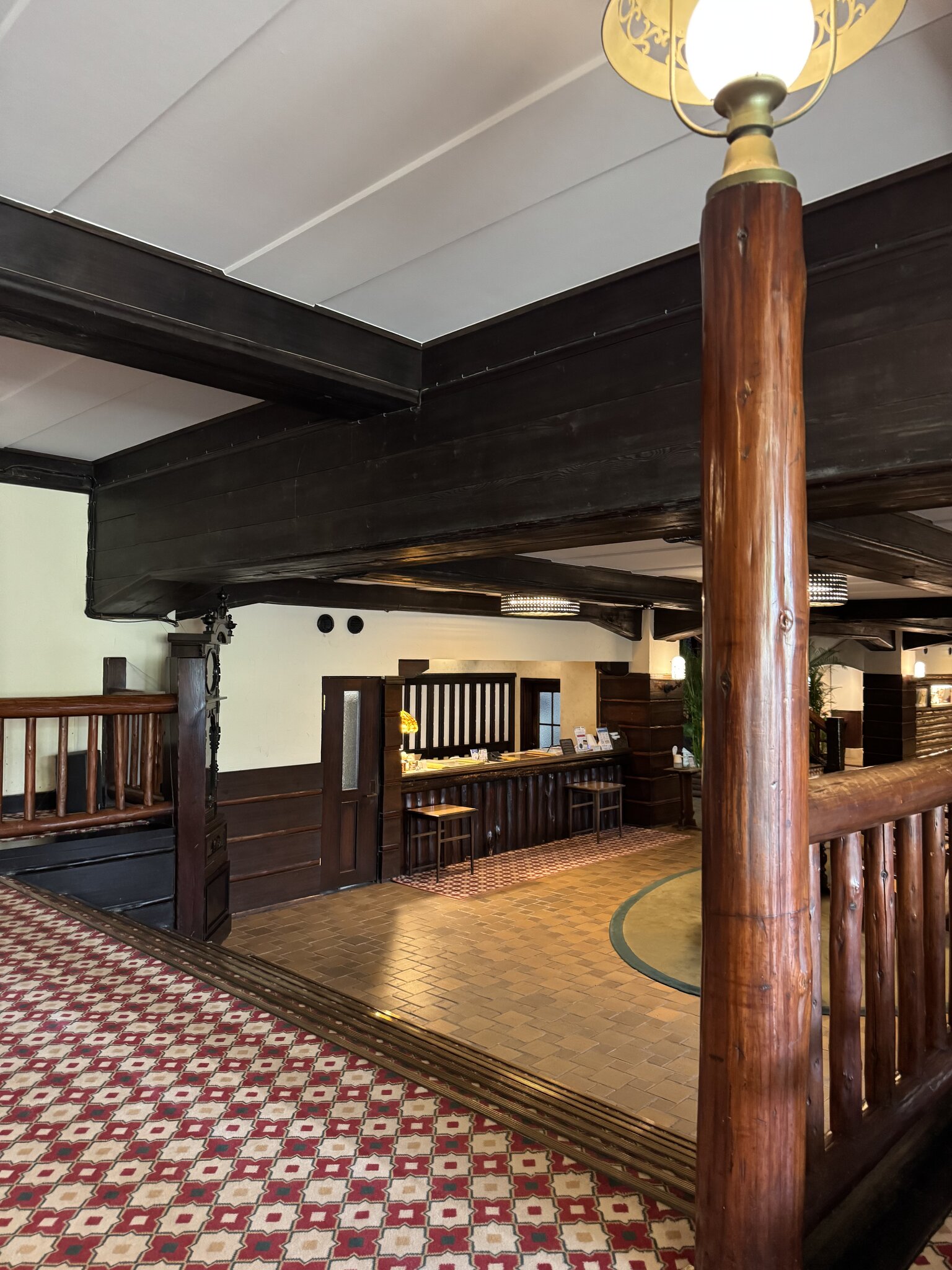
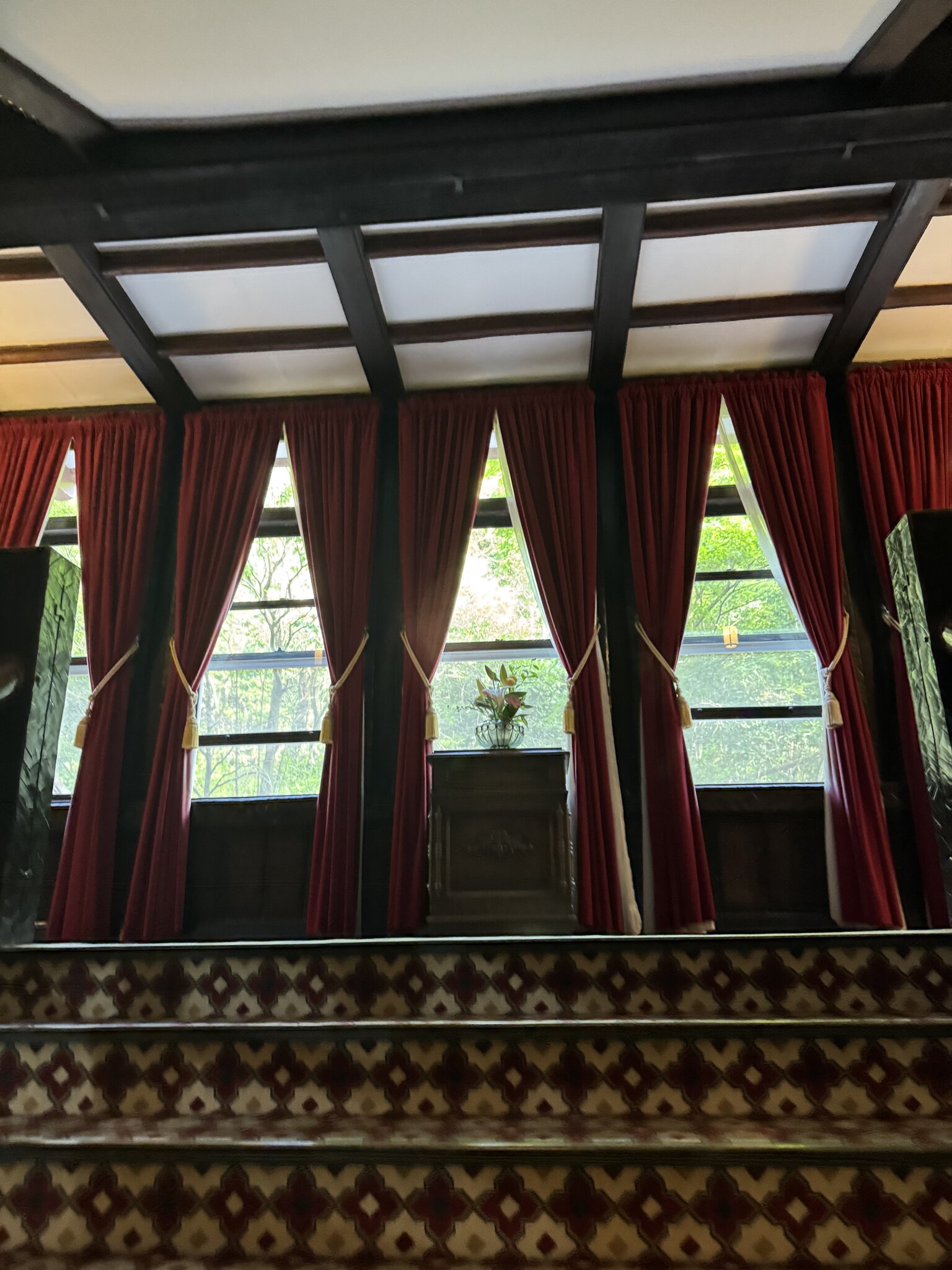
A dignified classic hotel founded in 1935 (Showa 10) and designated a Registered Tangible Cultural Property of Japan. Passing through the neat rows of cypress along the approach, you're greeted by a timber exterior reminiscent of an Alpine lodge. After checking in, we had a welcome drink (orange juice) in the lobby. The 1920s furnishings and deep-red velvet curtains breathe out the scent of another era.
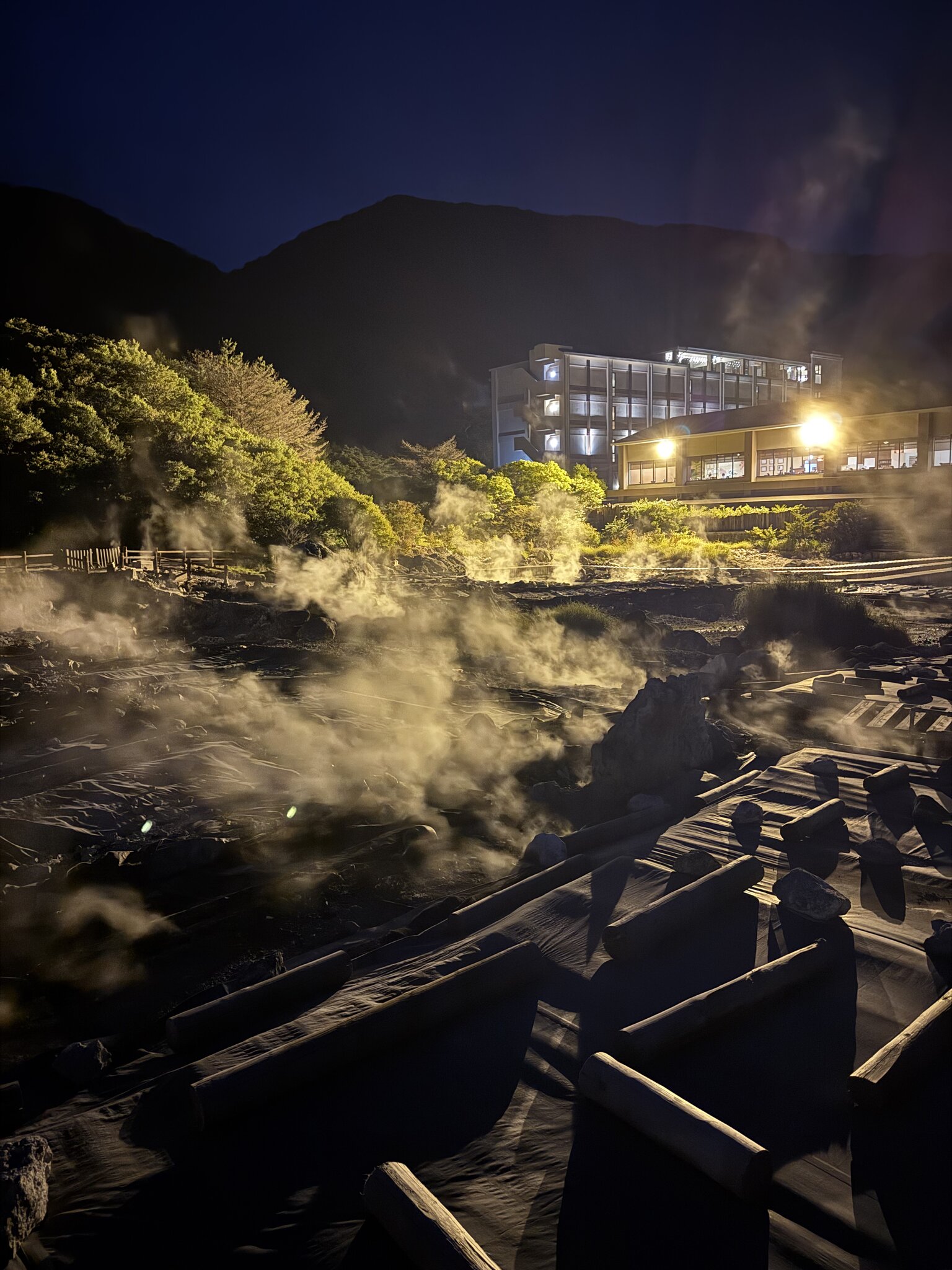
Into a fantastical "hell" utterly unlike its daytime self
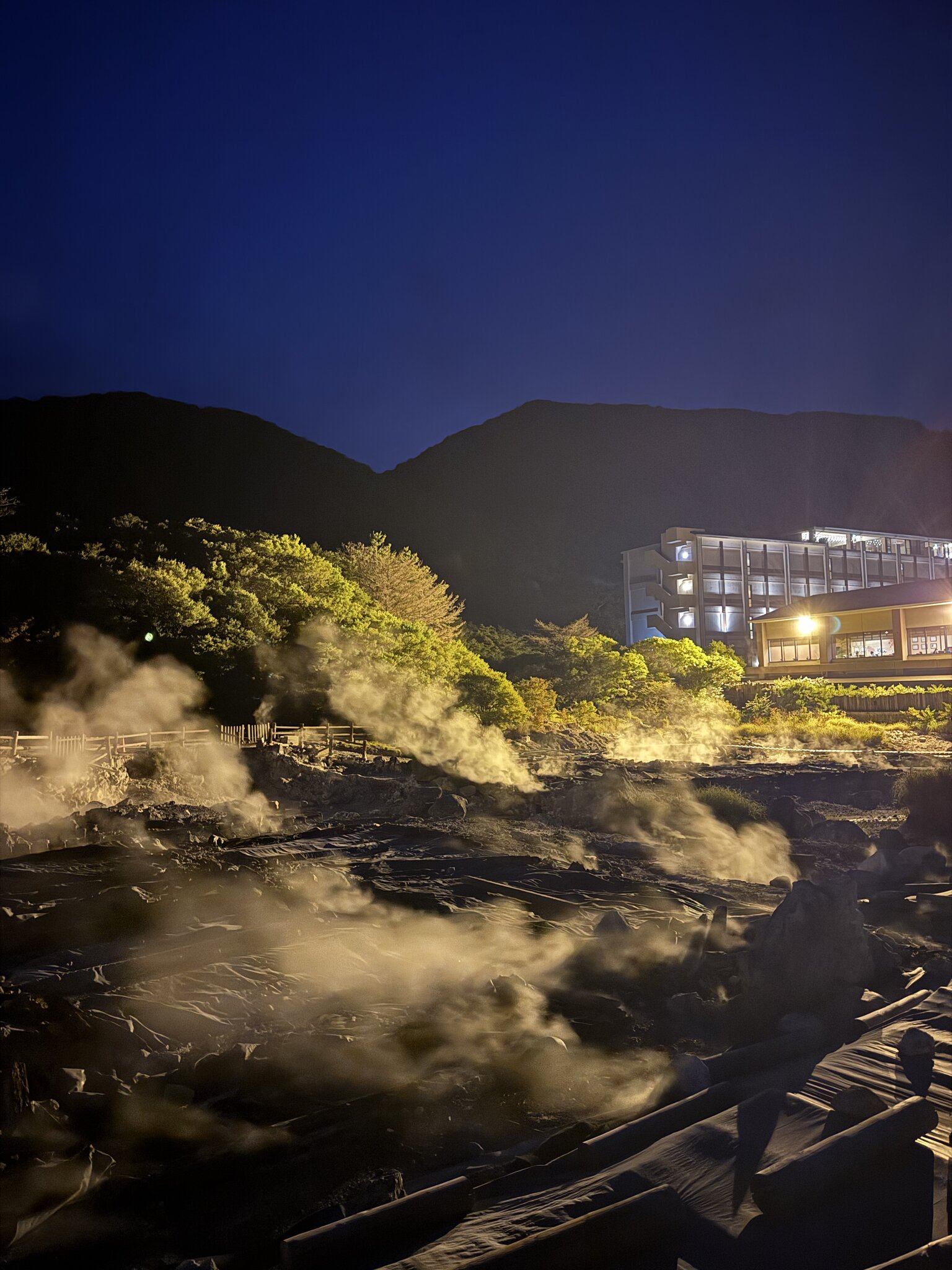
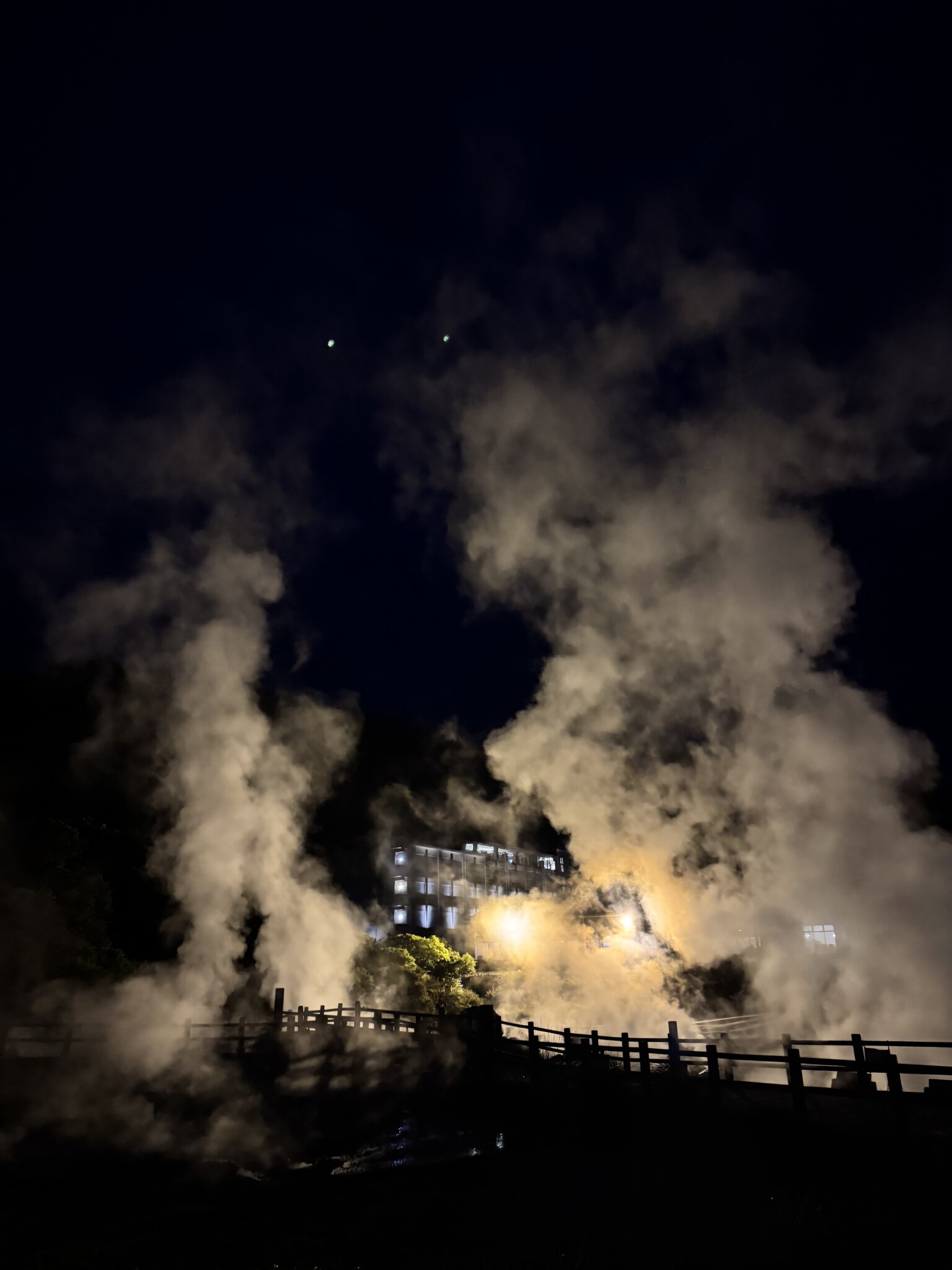
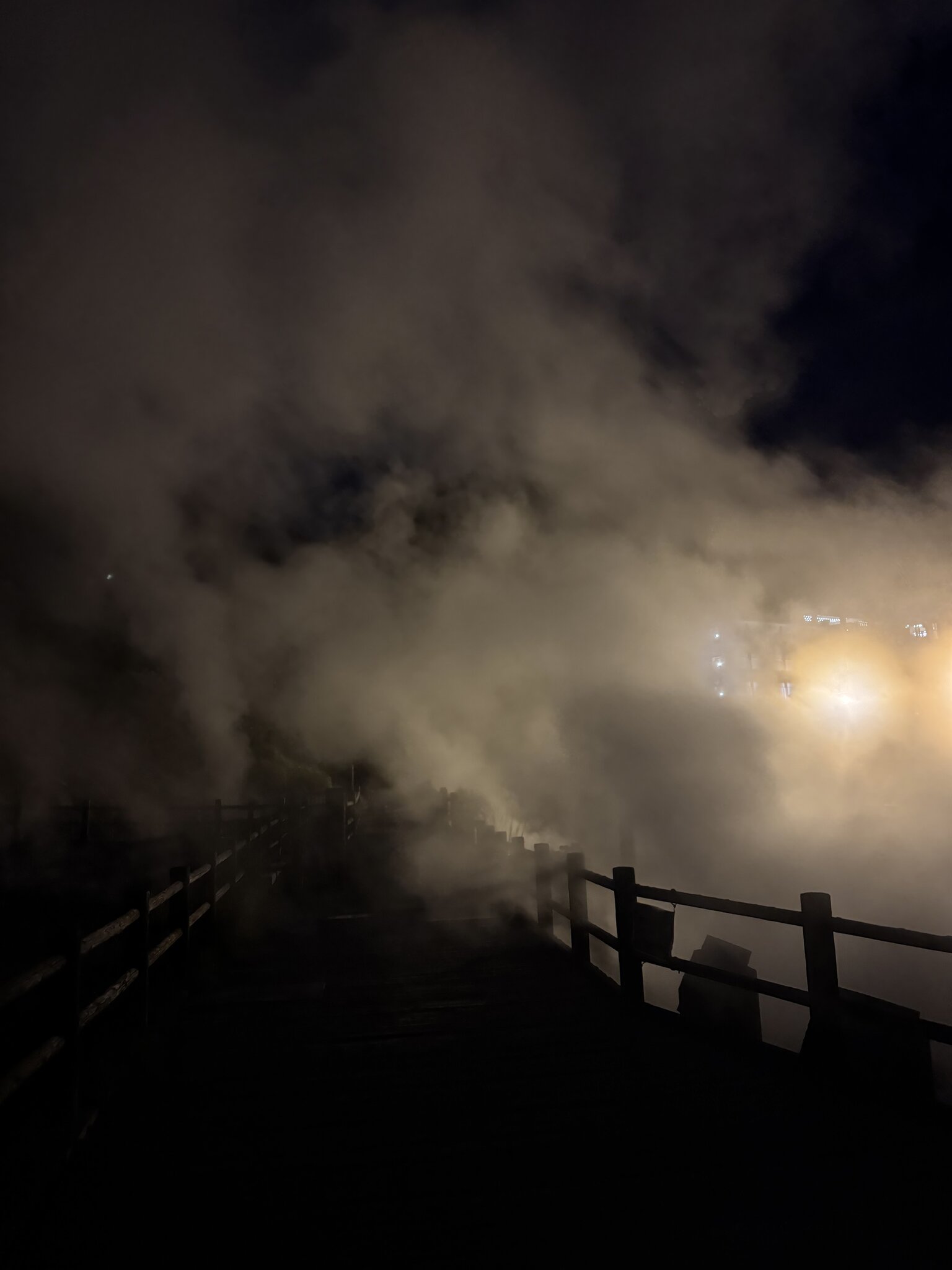
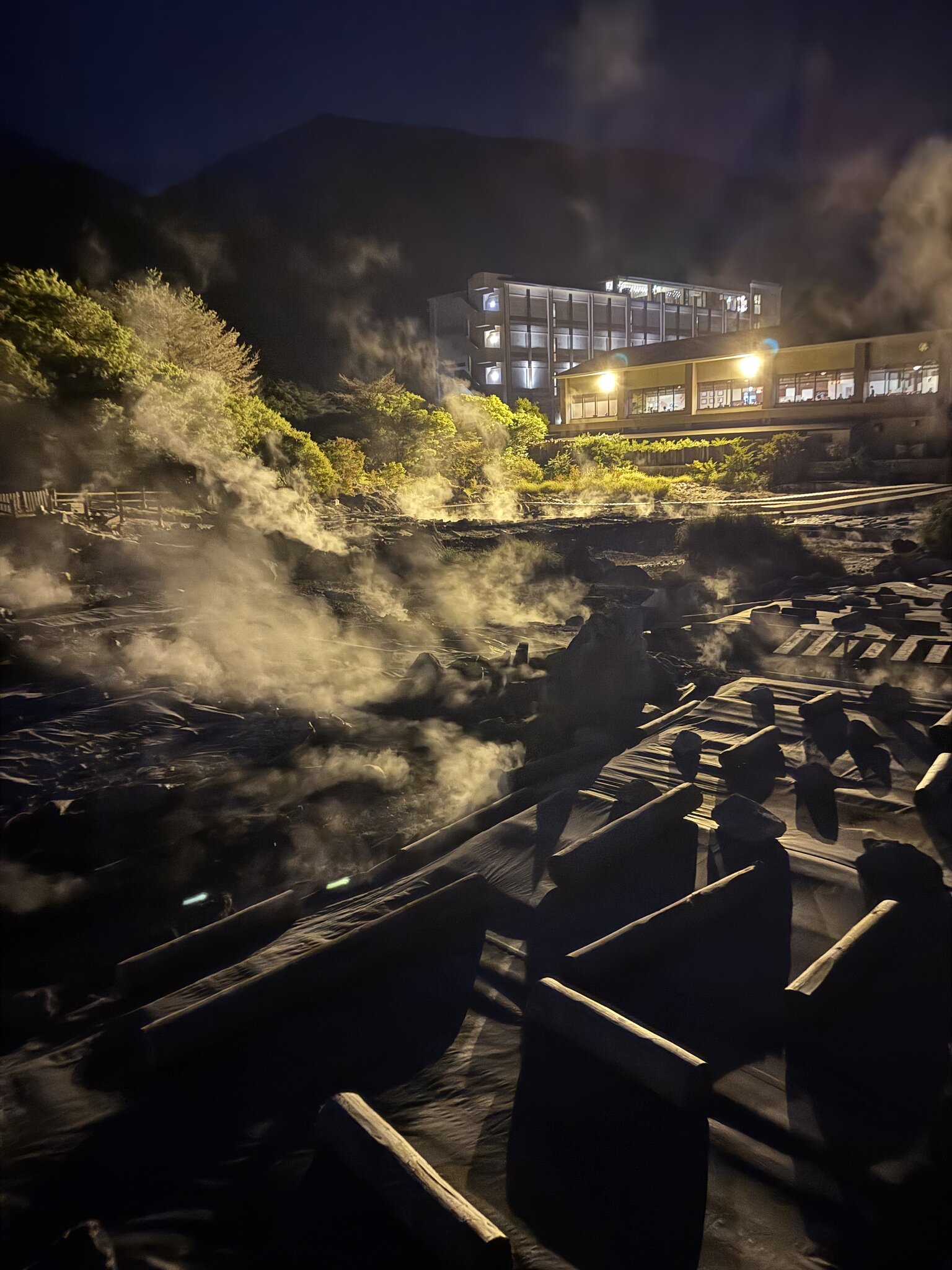
After checking in and finishing dinner, we stepped outside the hotel to find the road ahead veiled white with steam. Unzen Hell is open around the clock, and at night it shows a face completely unlike the daytime. Under strong illumination, white vapor rose from the vents into the dark sky — so mysterious I couldn't stop taking photos.
After the tanuki, on to the hotel's illumination. The approach at night has a solemn beauty different from the day. With the cypress trees lit up and the classic facade glowing, it looked just like a European resort hotel.
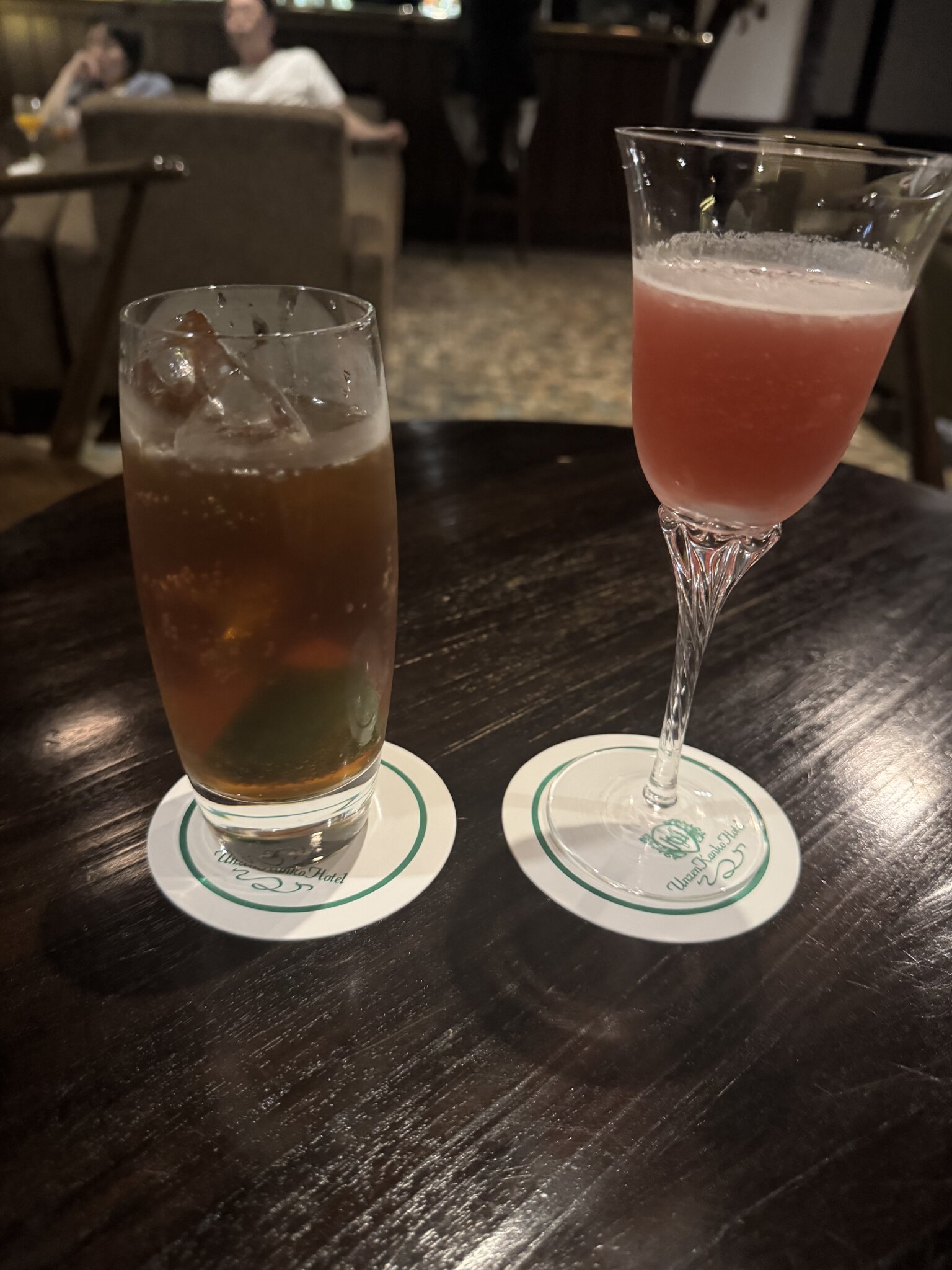
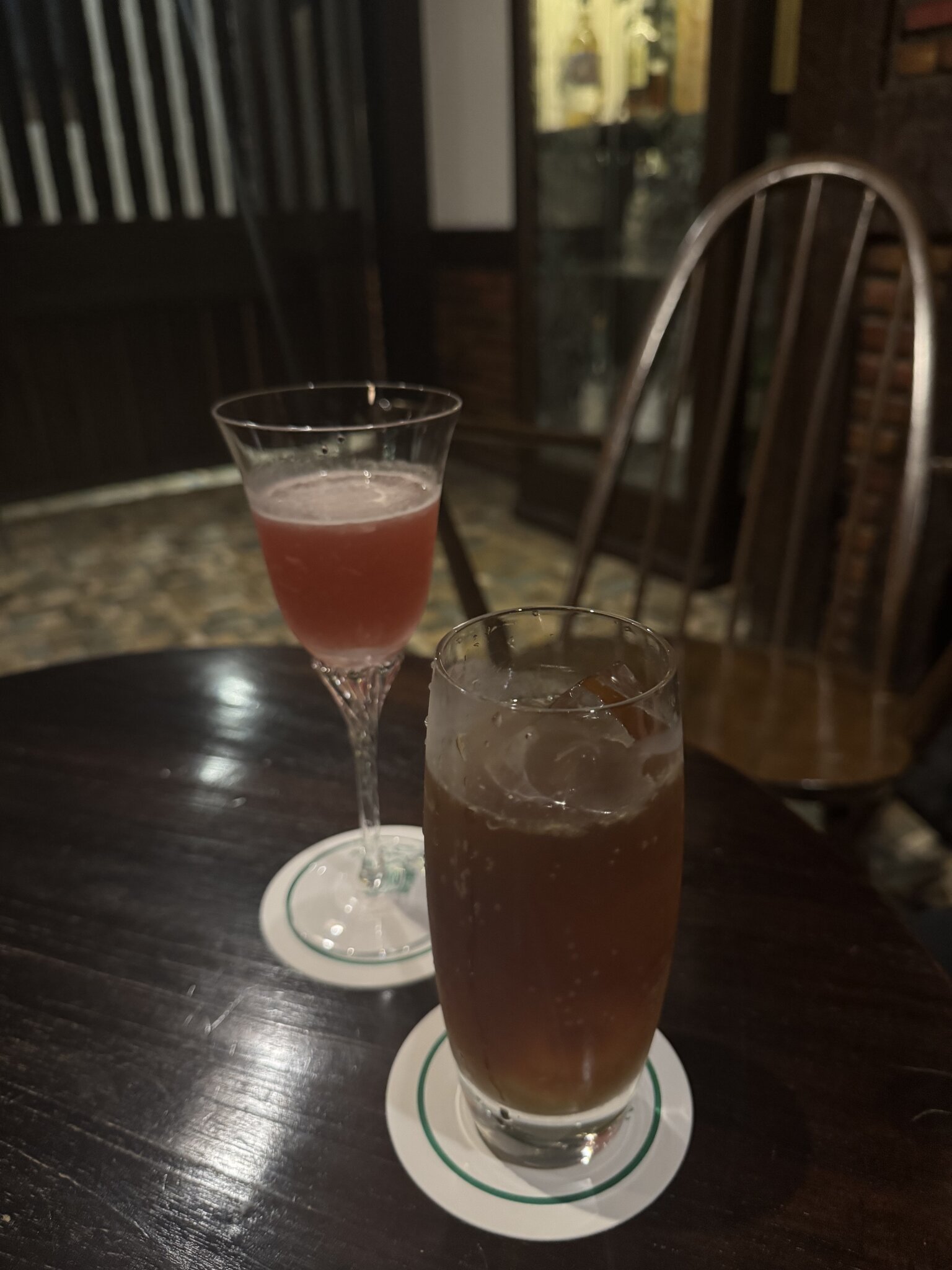
At night we headed to the hotel bar. Amid the elegant interior, we lingered over the hotel's original cocktails. The distinctive atmosphere of early-Showa architecture, and the stillness of the mountains beyond the windows, felt wonderful.
Sunday, 14 June 2026 | Cloudy


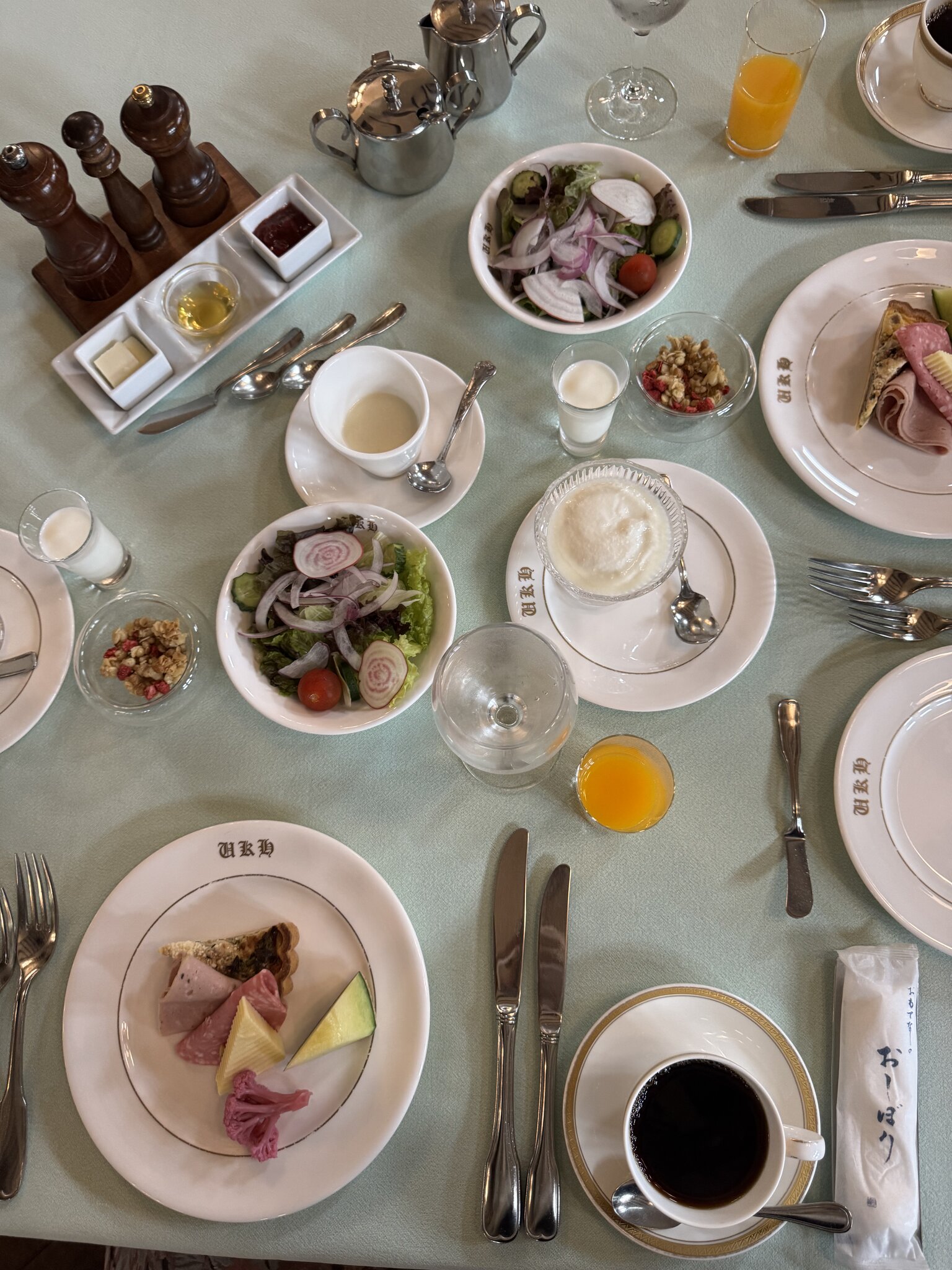
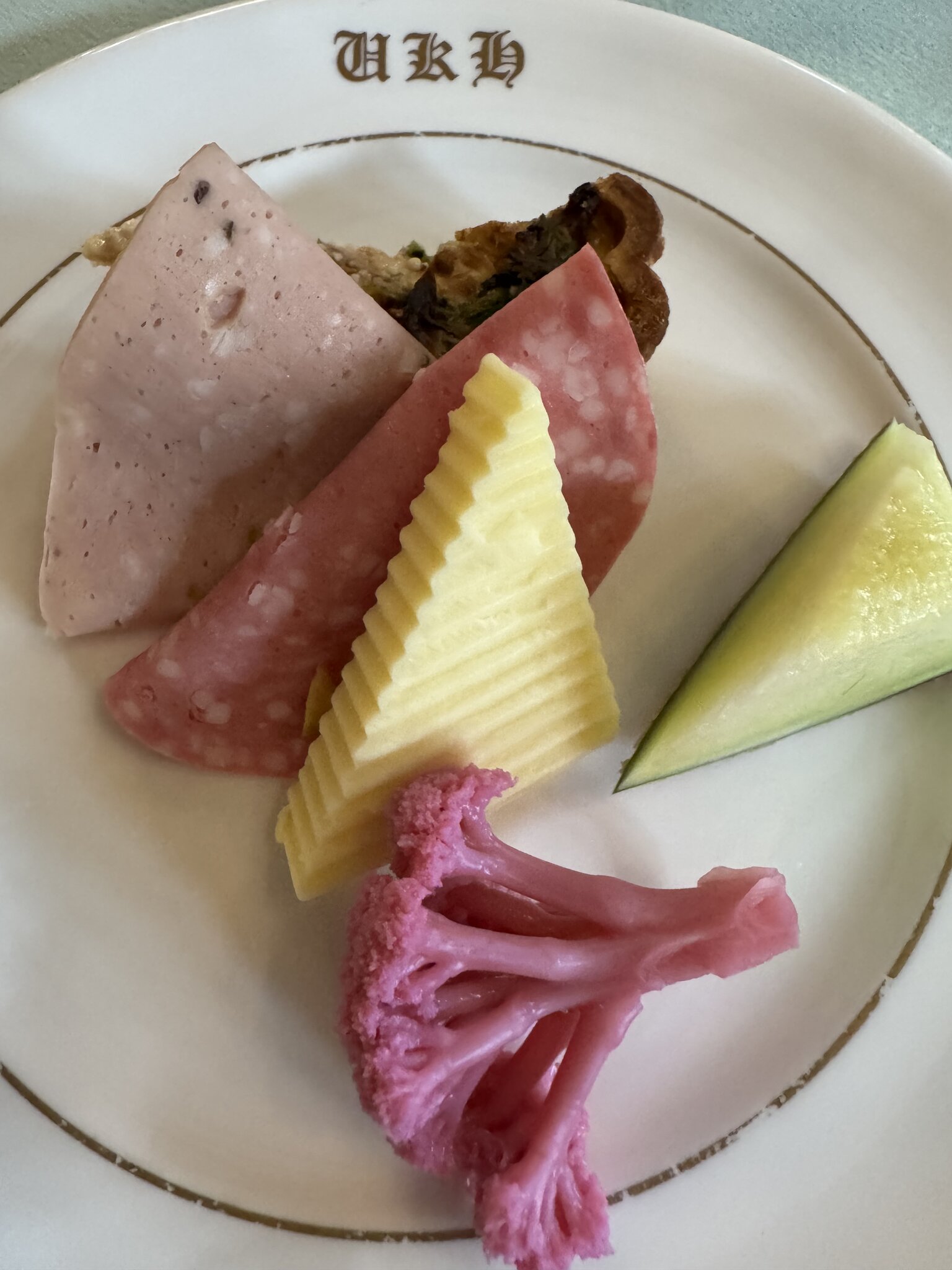
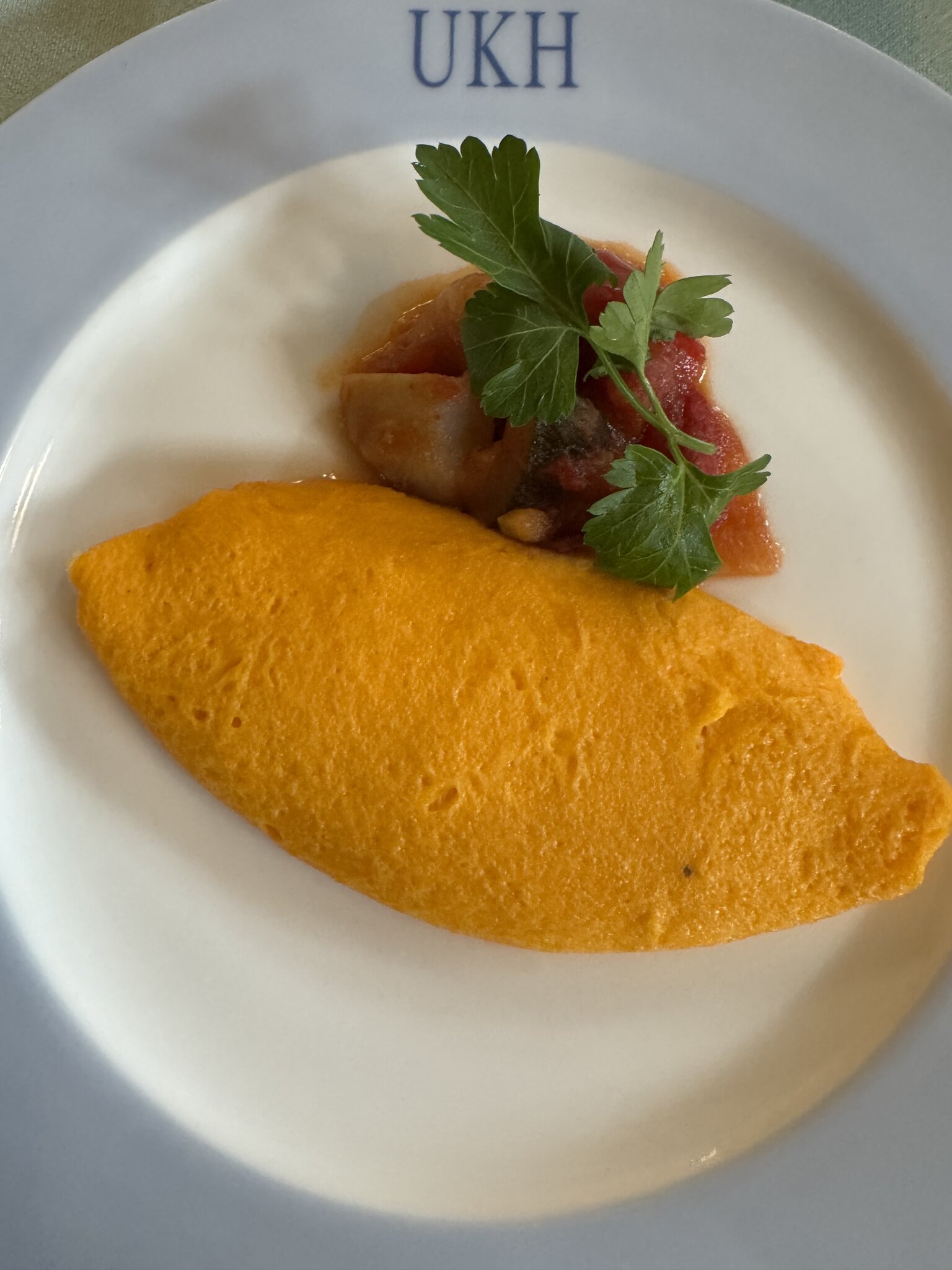
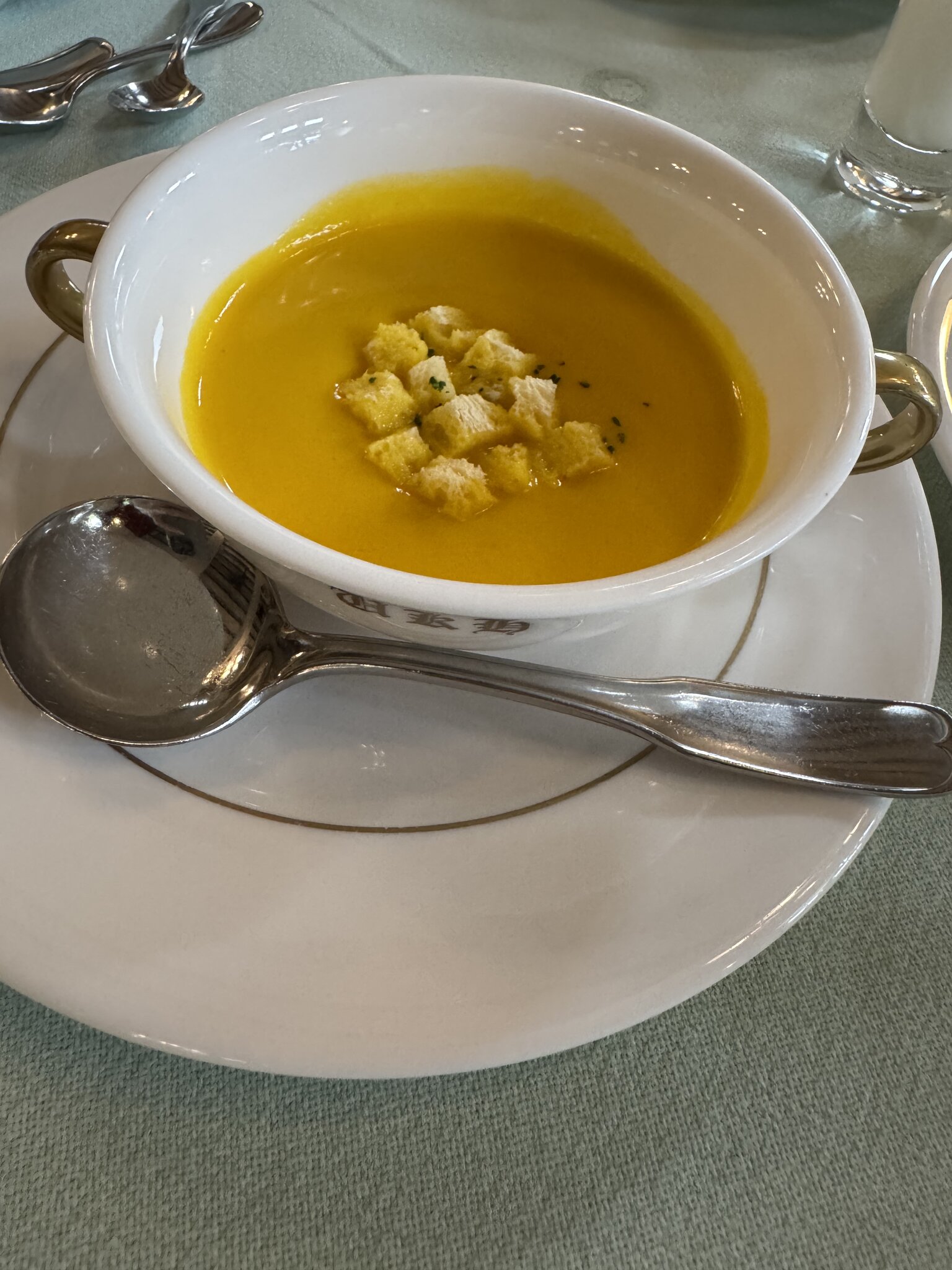
A refined Western breakfast served on tableware bearing the "UKH" (Unzen Kanko Hotel) monogram. Croissants, cold cuts and cheese, a fresh salad, pumpkin soup, and a glossy orange omelet. A luxurious, unhurried meal taken while gazing out at the lush green mountains beyond the windows.


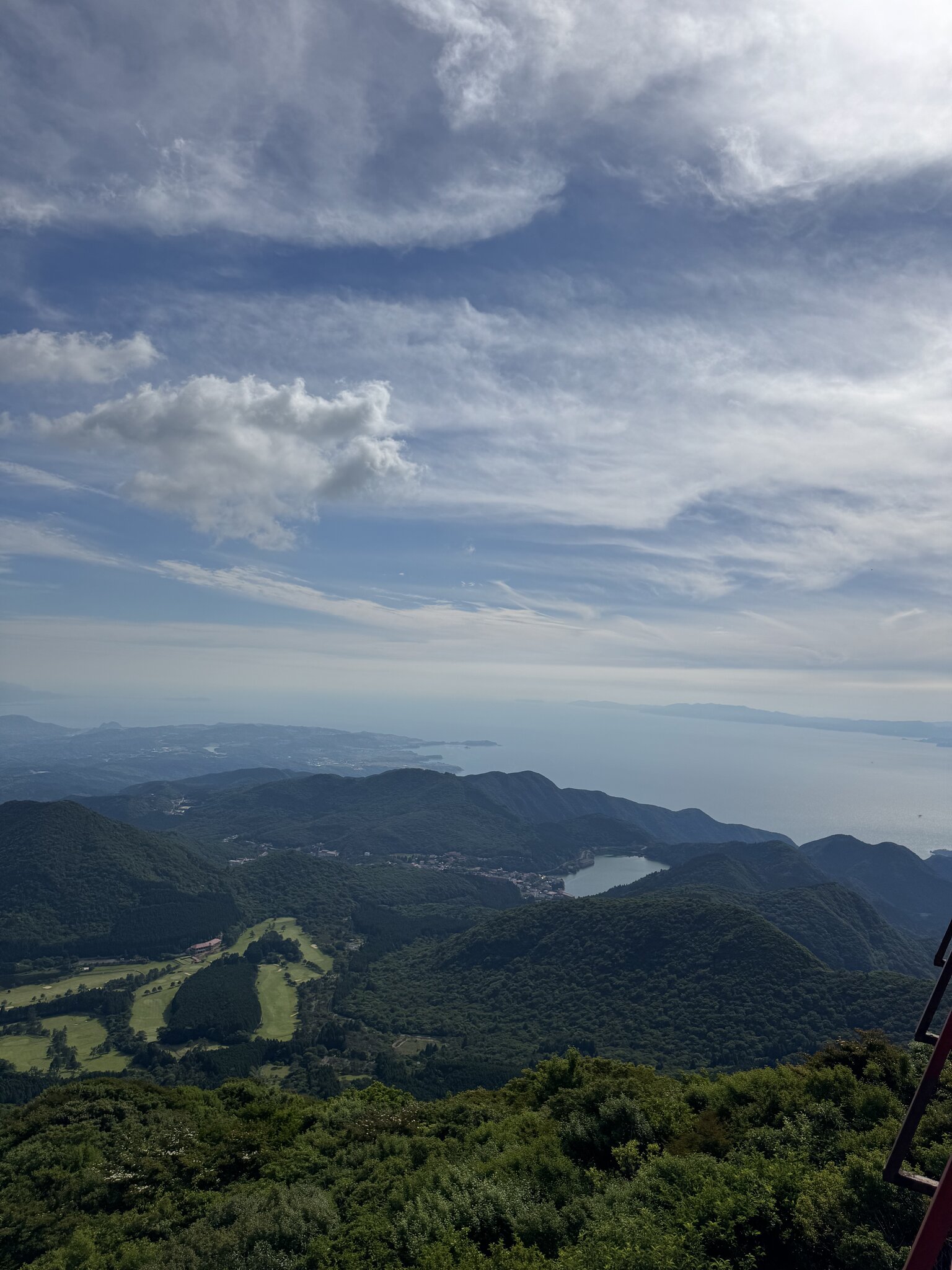
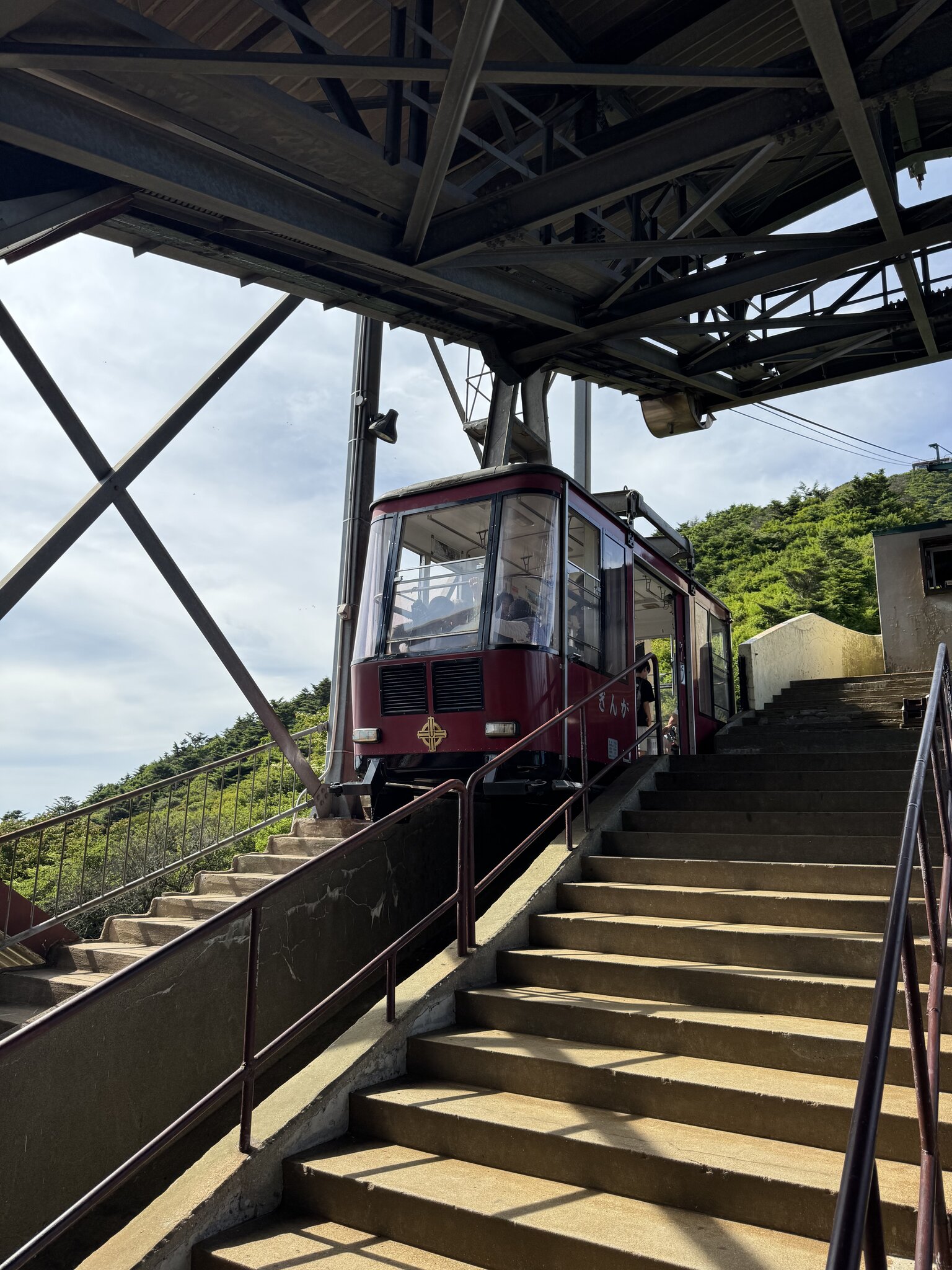
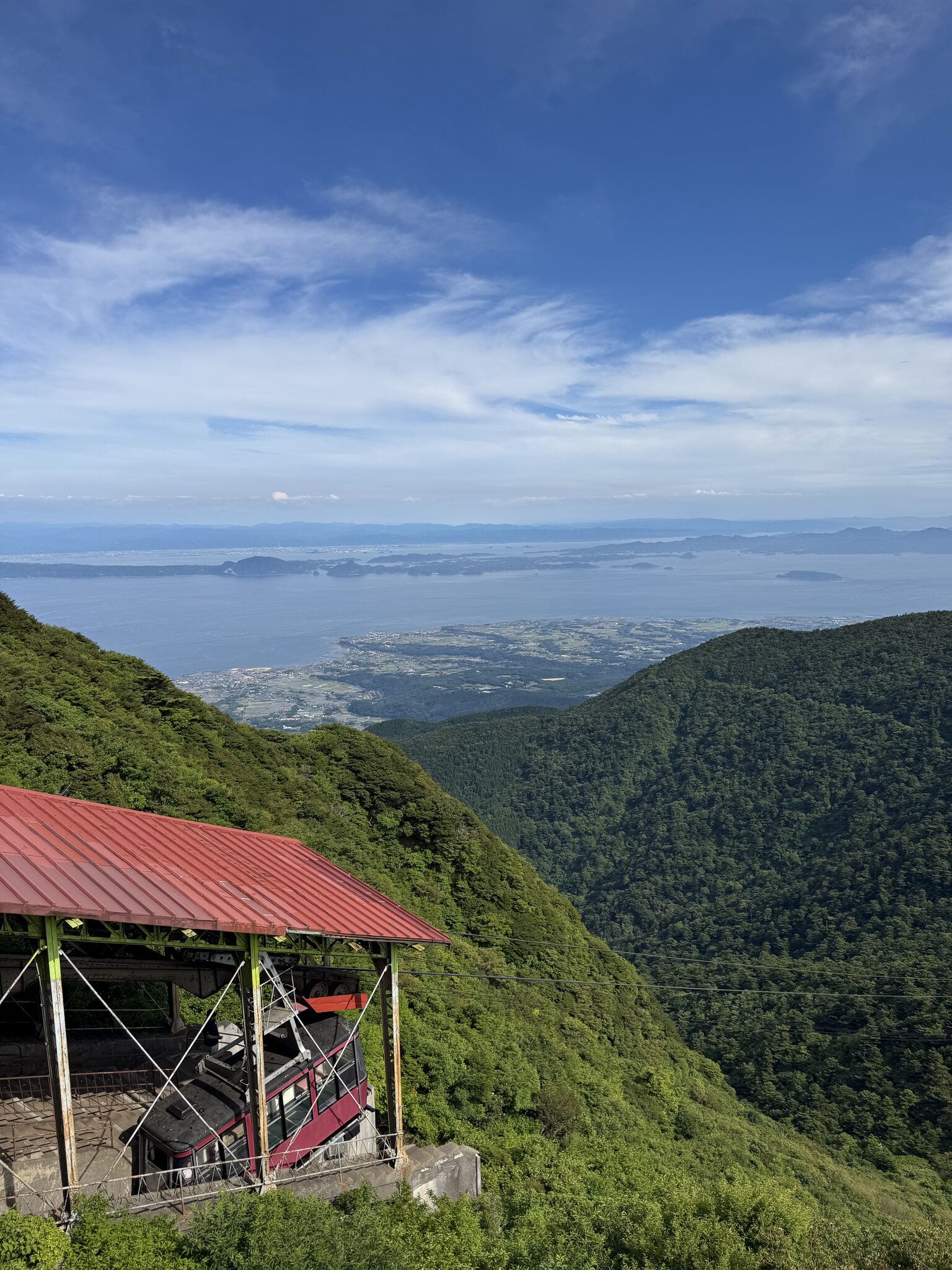
We drove the 11.3 km one-way loop road up to Nita Pass. From the pass at 1,080 m the view over the Ariake Sea is stunning — on a clear day you can see all the way to Mt. Aso. The ropeway then carries you to Mt. Myoken (1,333 m). In a roughly four-minute aerial ride, a 360-degree panorama of the Shimabara Peninsula's green ridges and sea unfolds at the top. The view looking down from the summit gondola station is spectacular too.


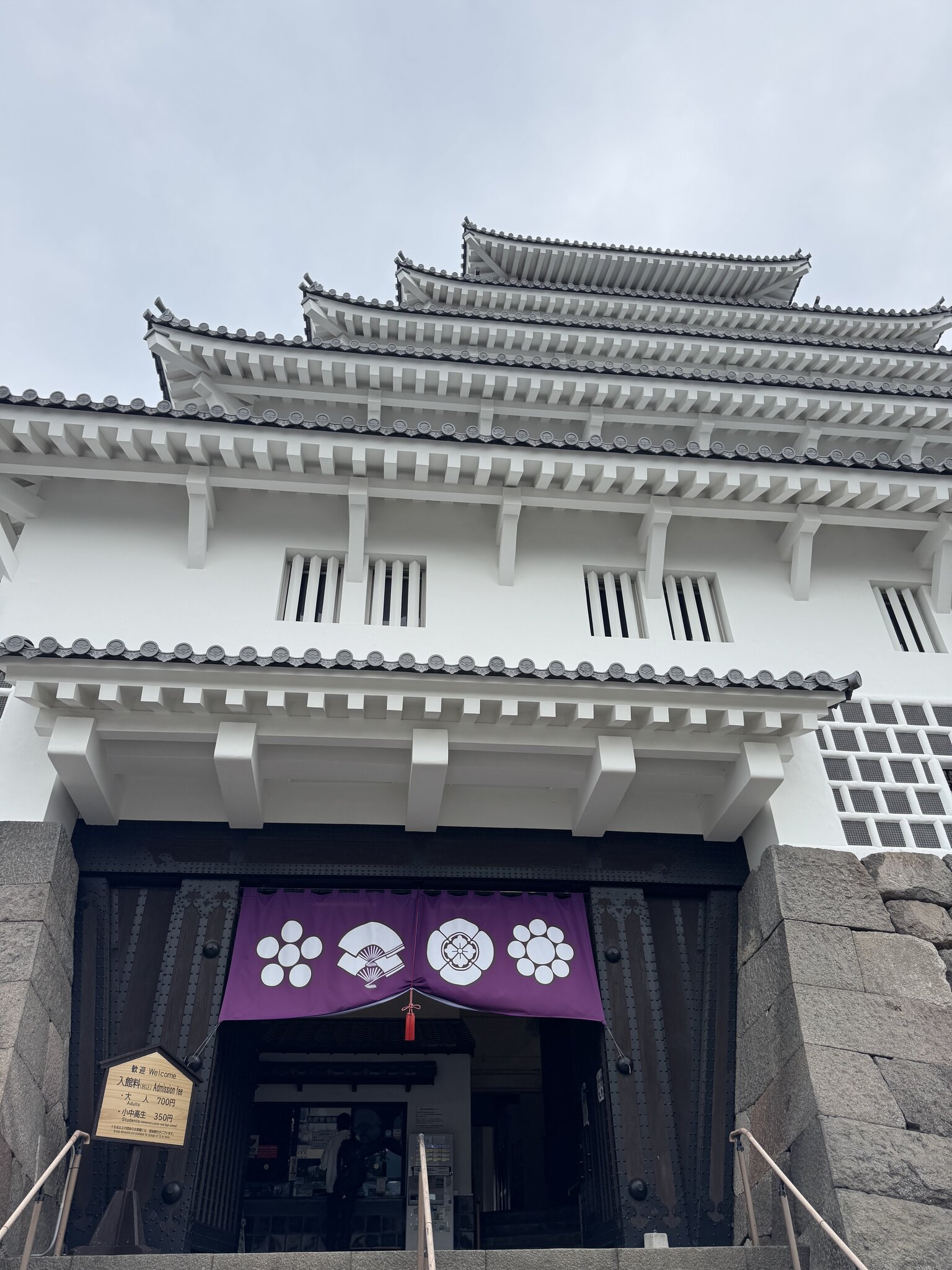
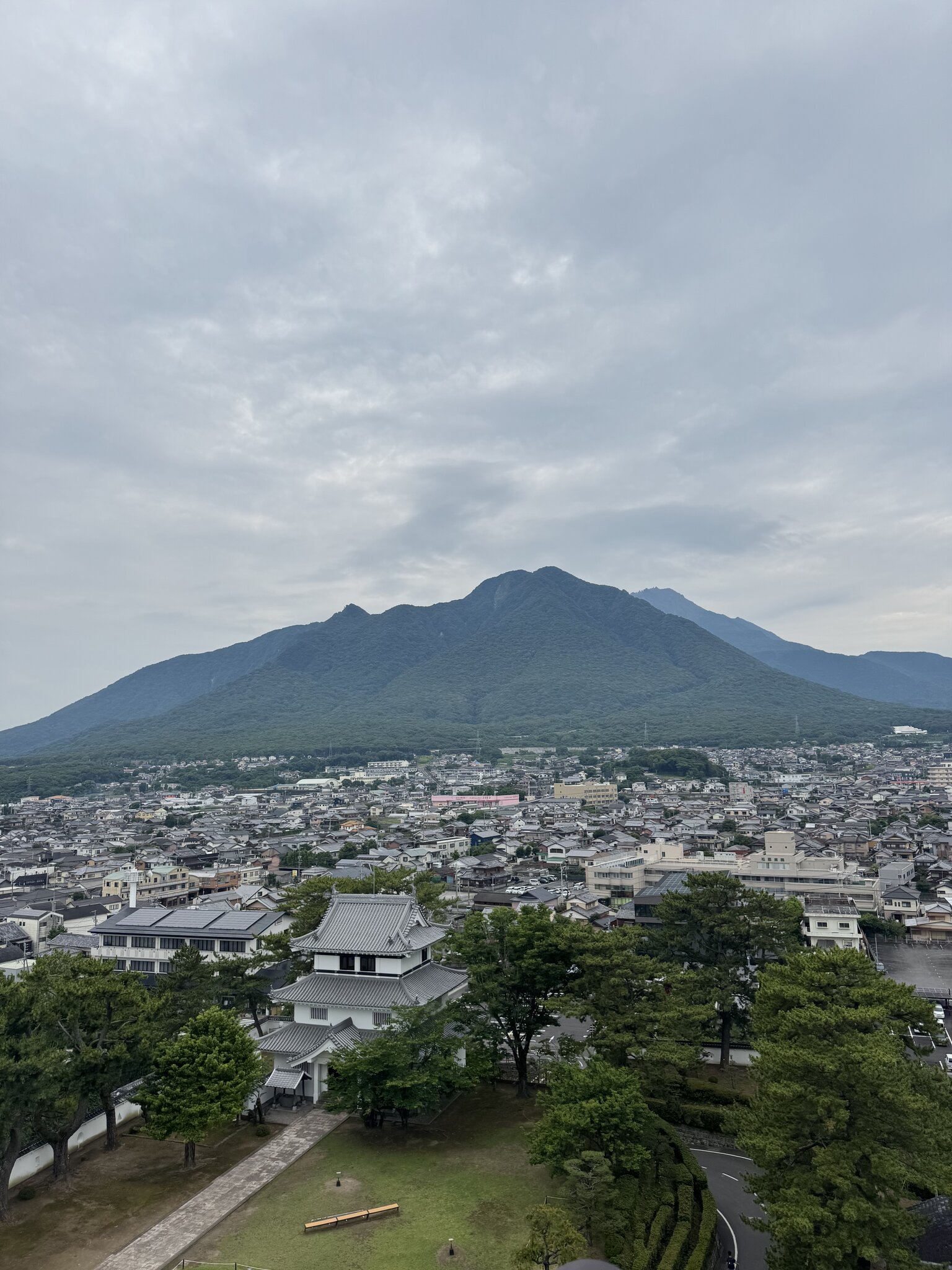
A gleaming white five-tiered keep built in 1618 by Matsukura Shigemasa. From the top floor you can take in the imposing Mt. Fugen of Unzen — half-hidden in cloud — and the townscape of Shimabara spreading out below. Inside, exhibits cover the history of the Shimabara Rebellion and local artifacts. A stamp rally is also available here, making the town stroll even more enjoyable.


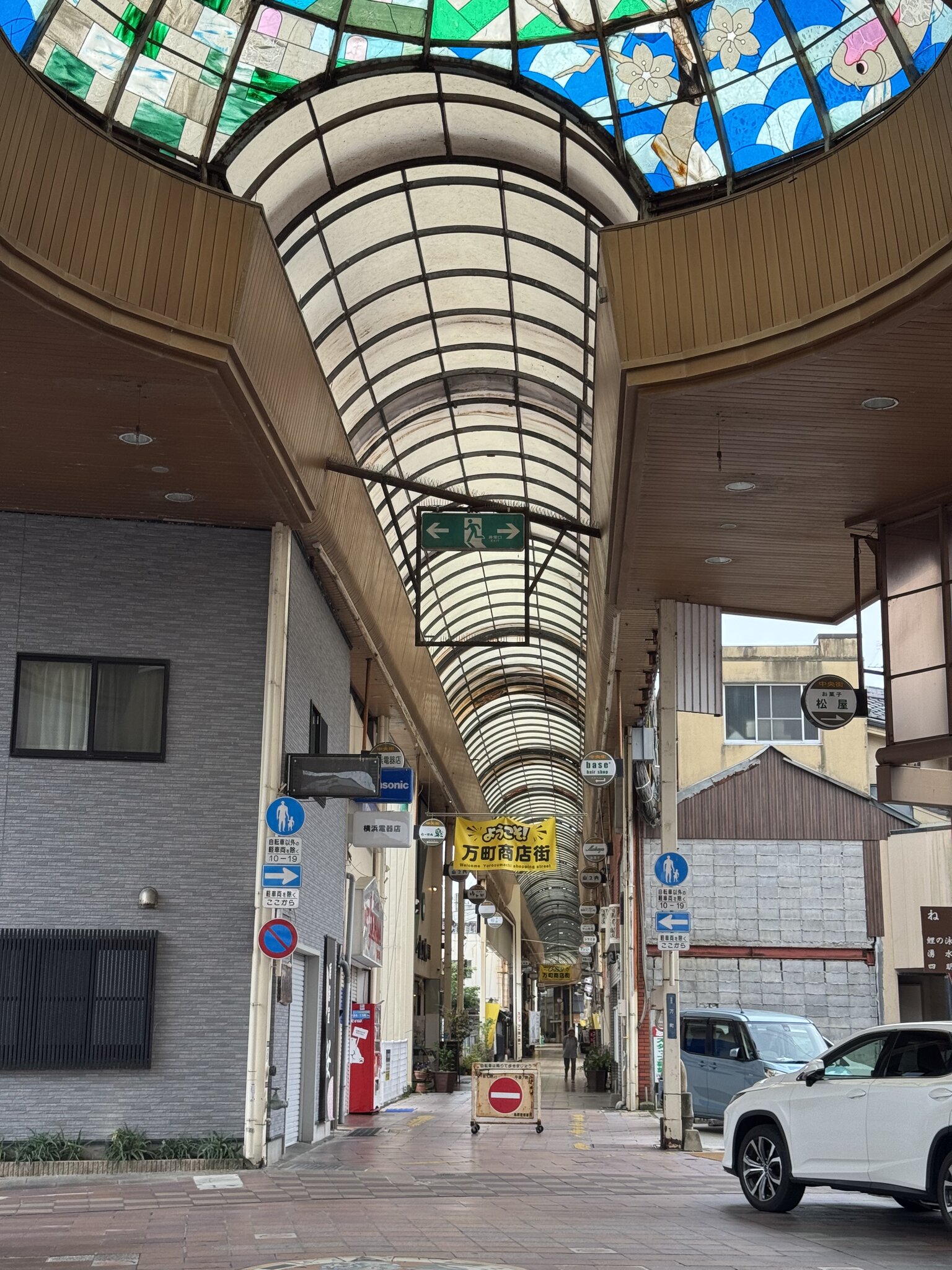
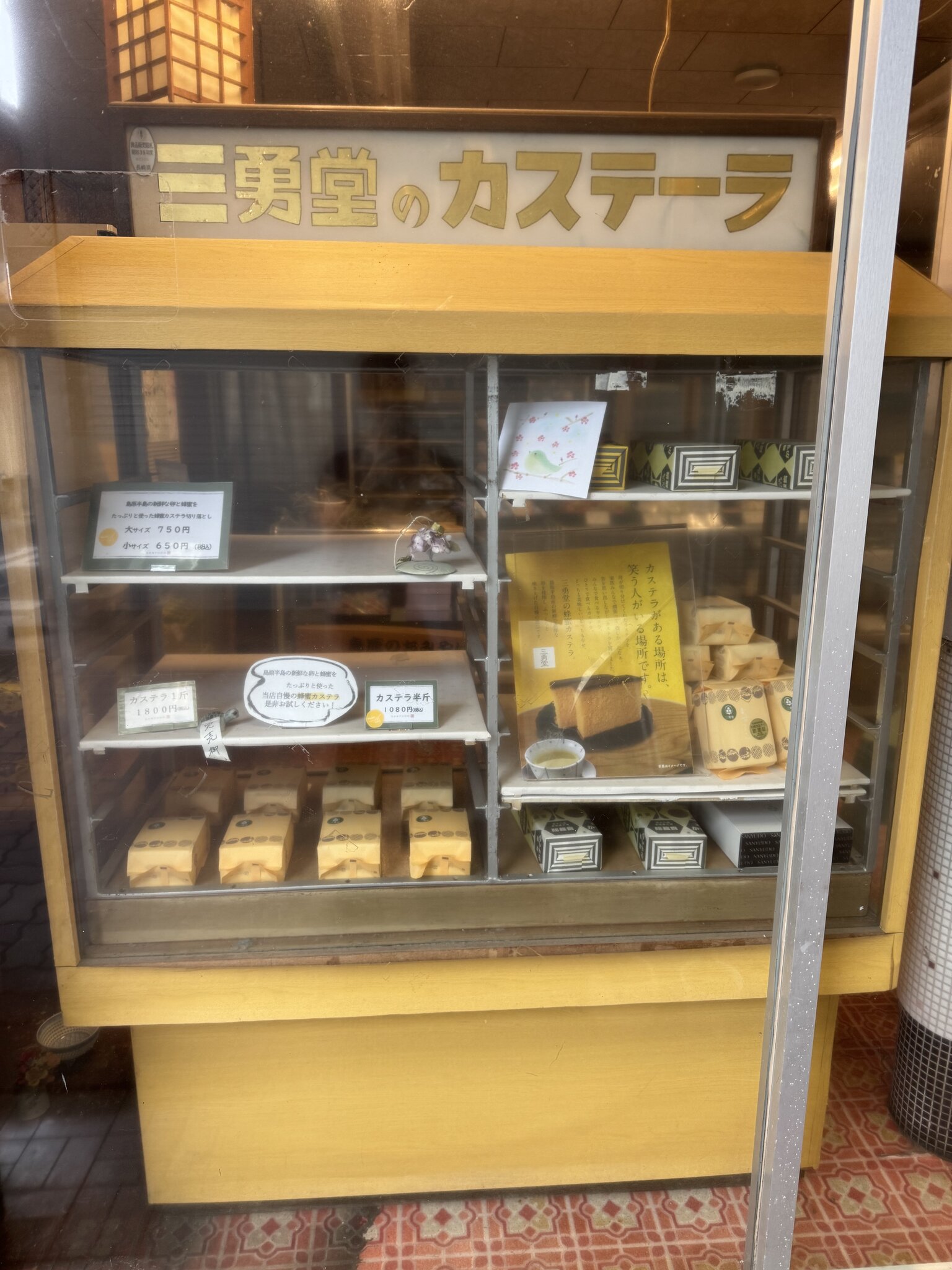
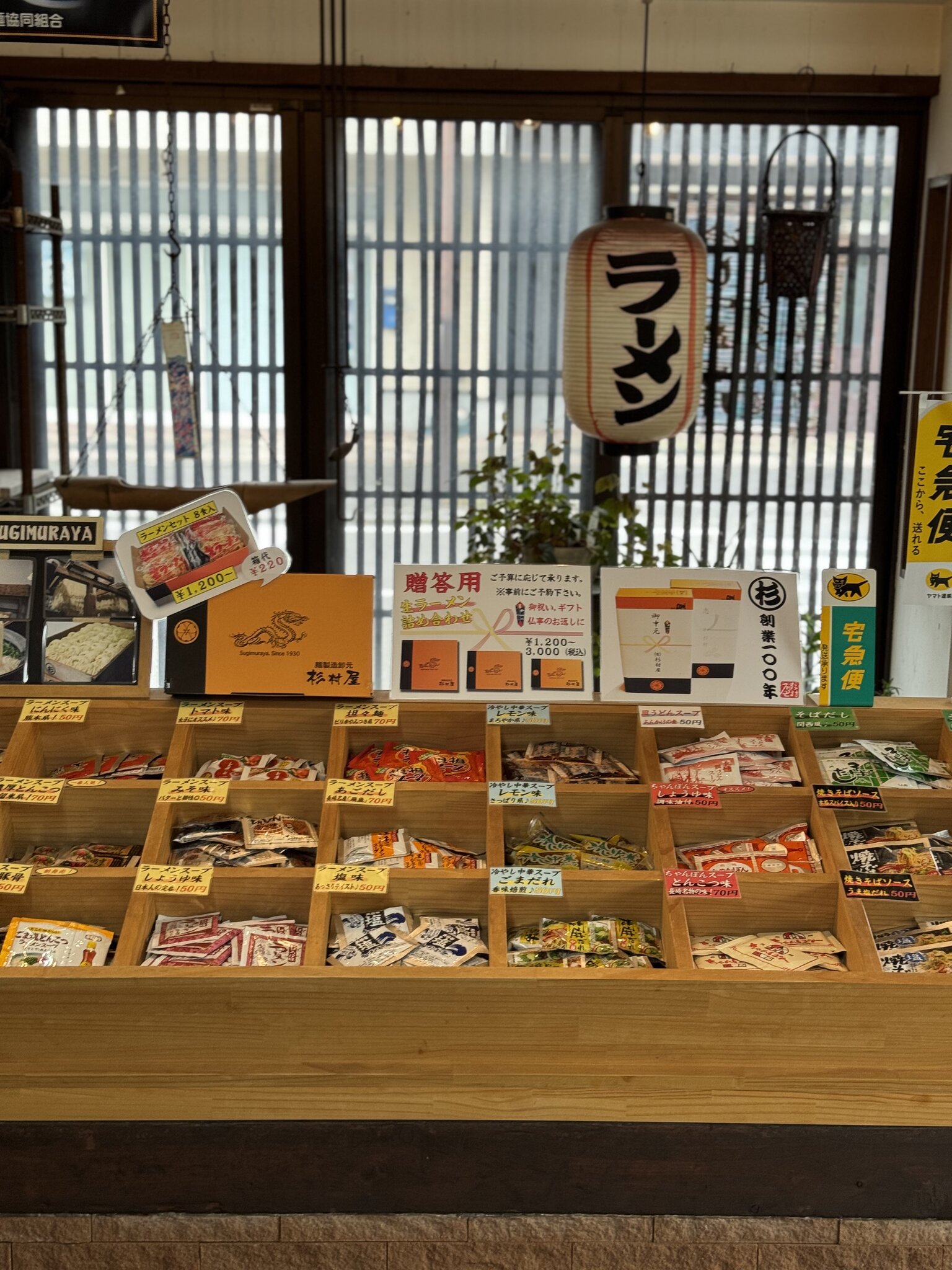
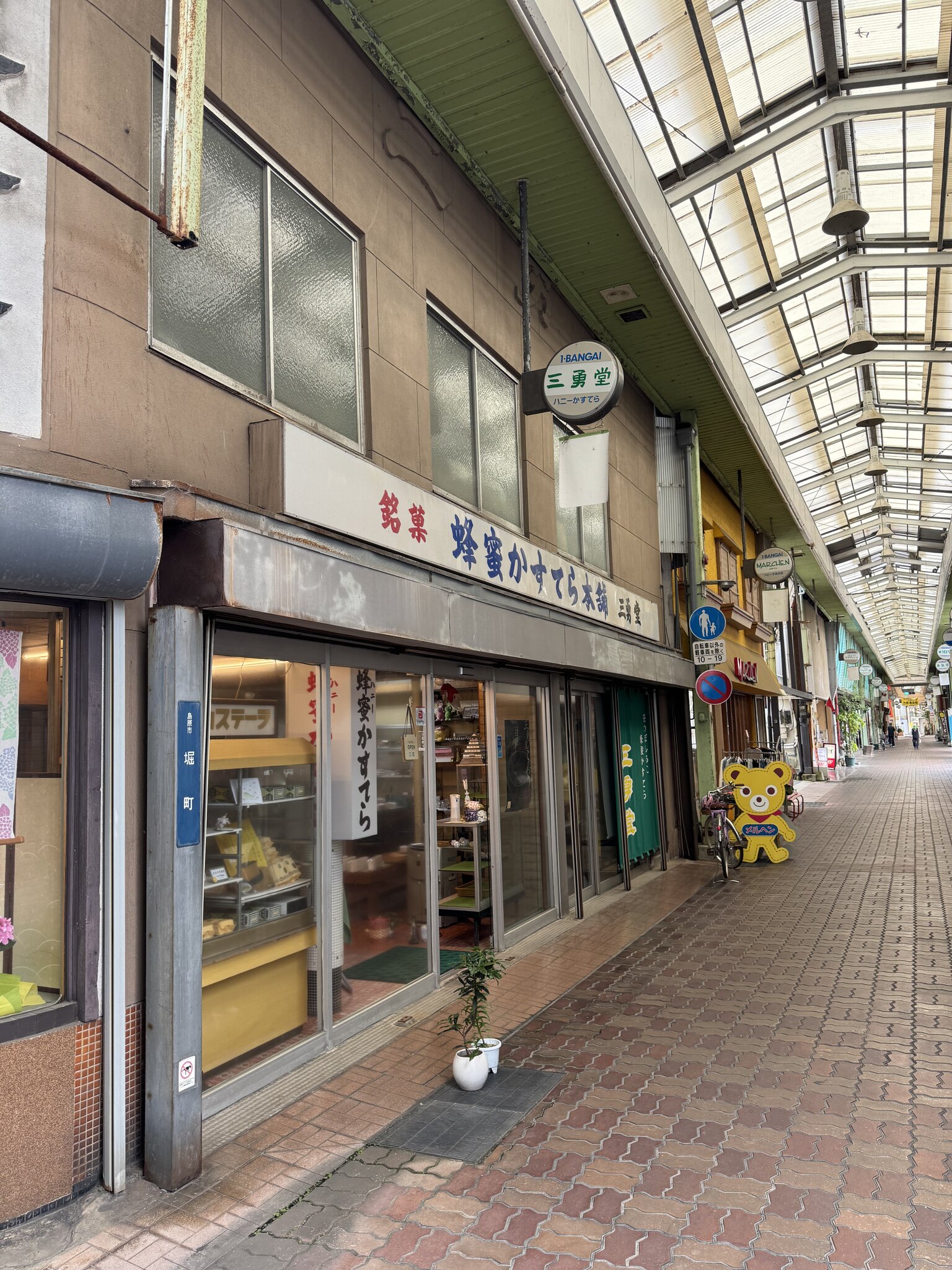
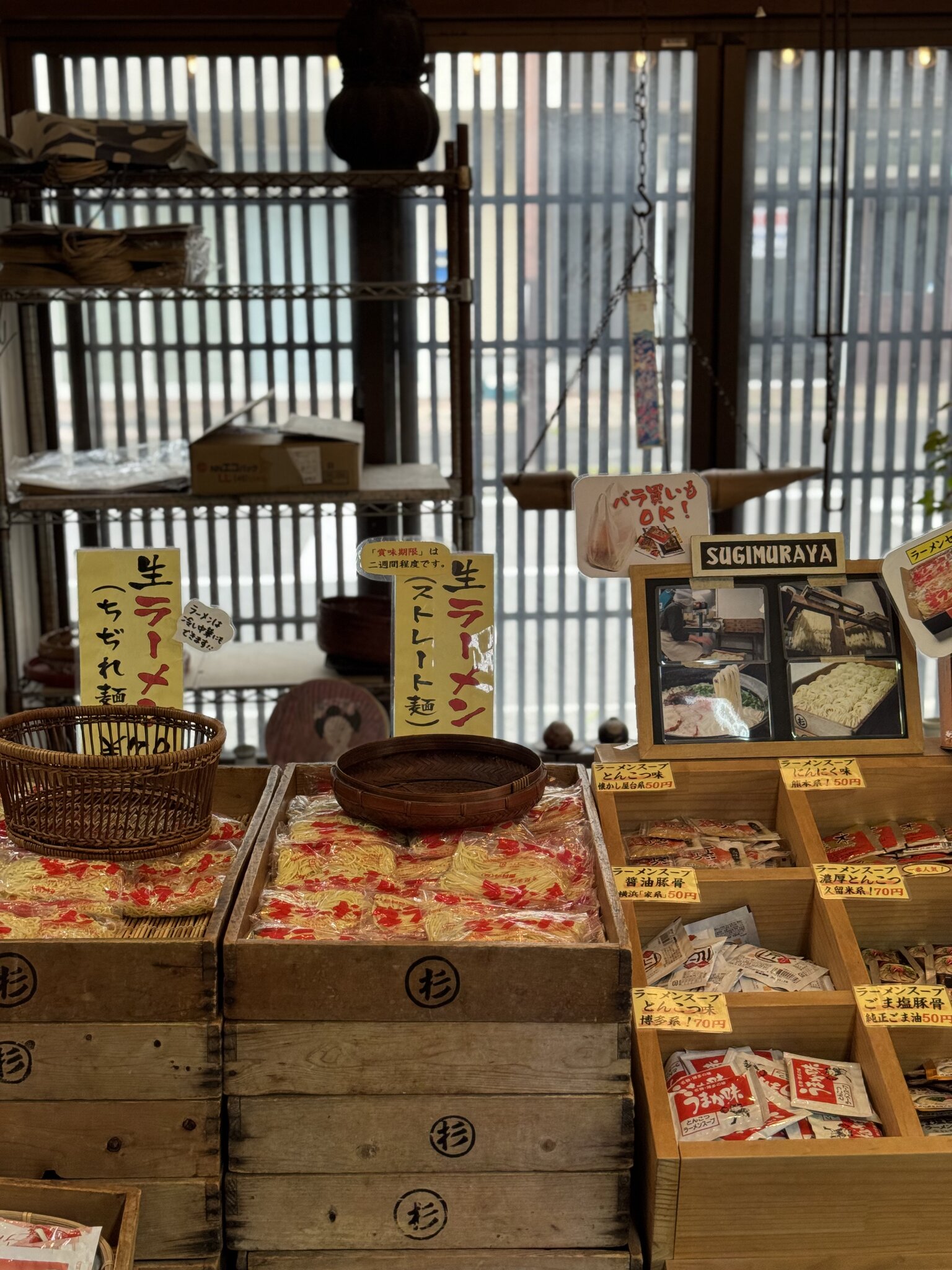
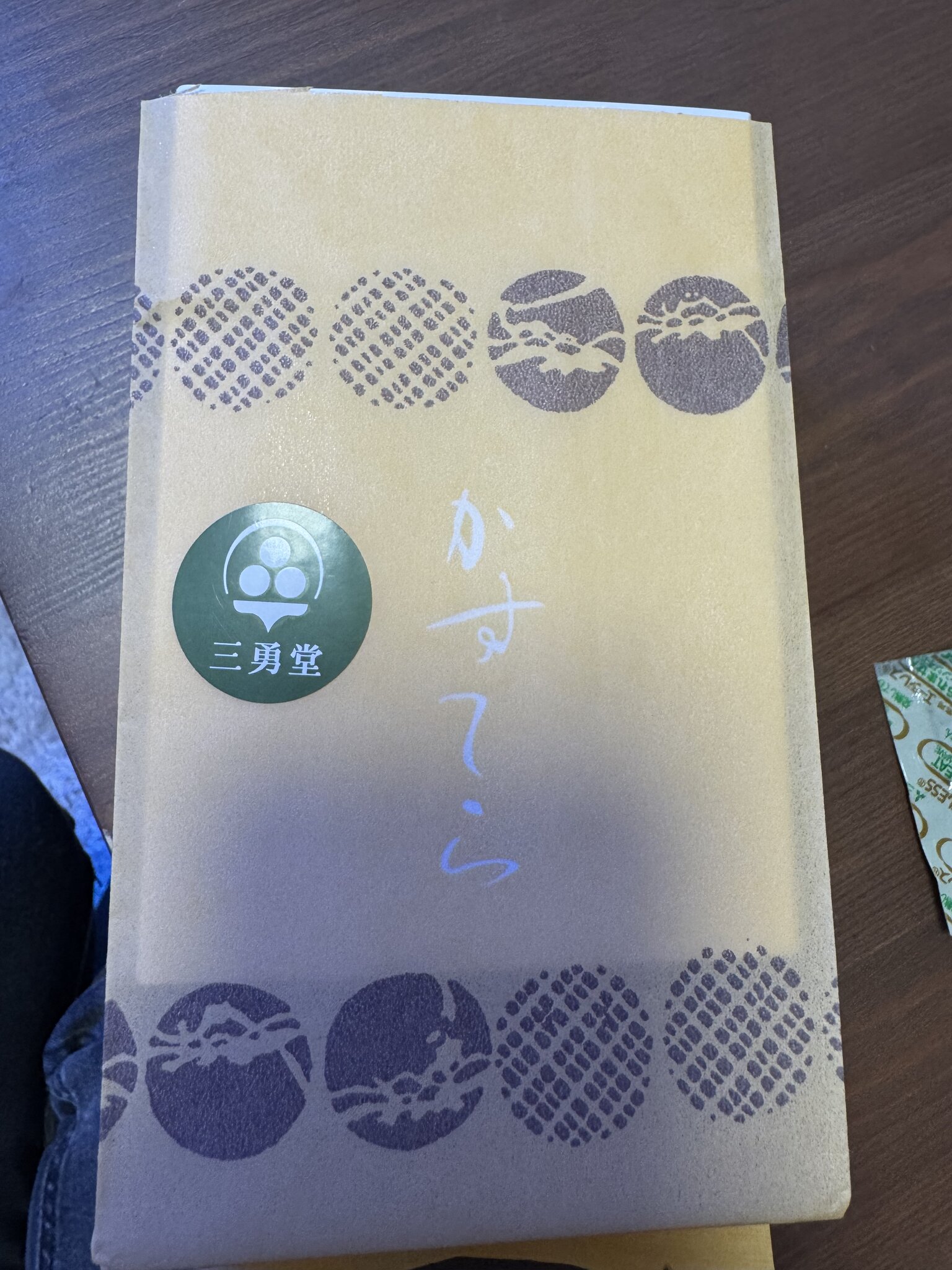
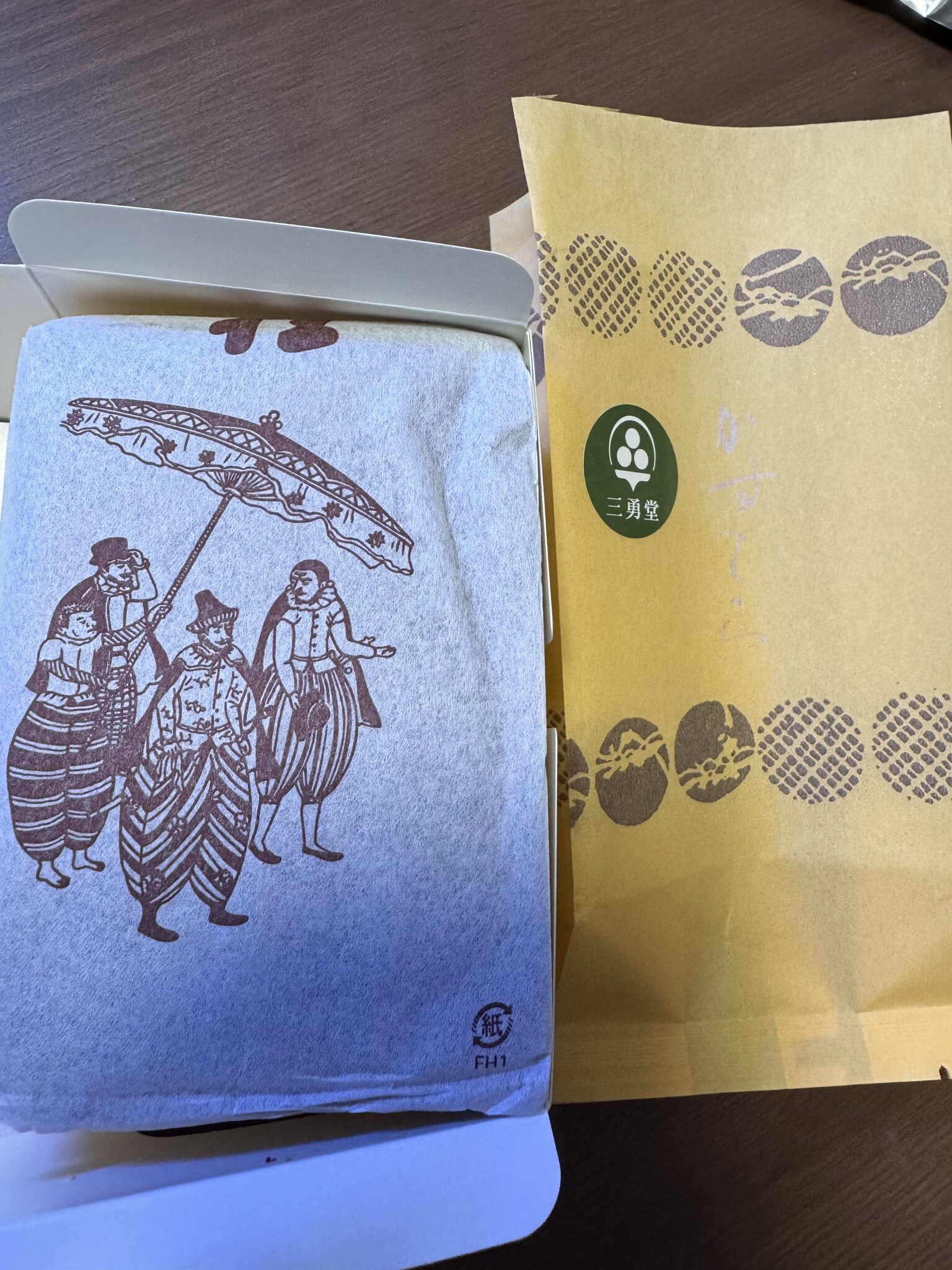
We strolled the shopping arcade right by Shimabara Castle. "Sanyudo" is a long-established castella shop in Shimabara whose honey castella, made by its own method, is beloved by locals. Next door is the noodle factory "Sugimuraya," where ramen sells straight from the factory for just 120 yen a serving! Bagged noodles like fresh champon and fresh ramen make perfect souvenirs.


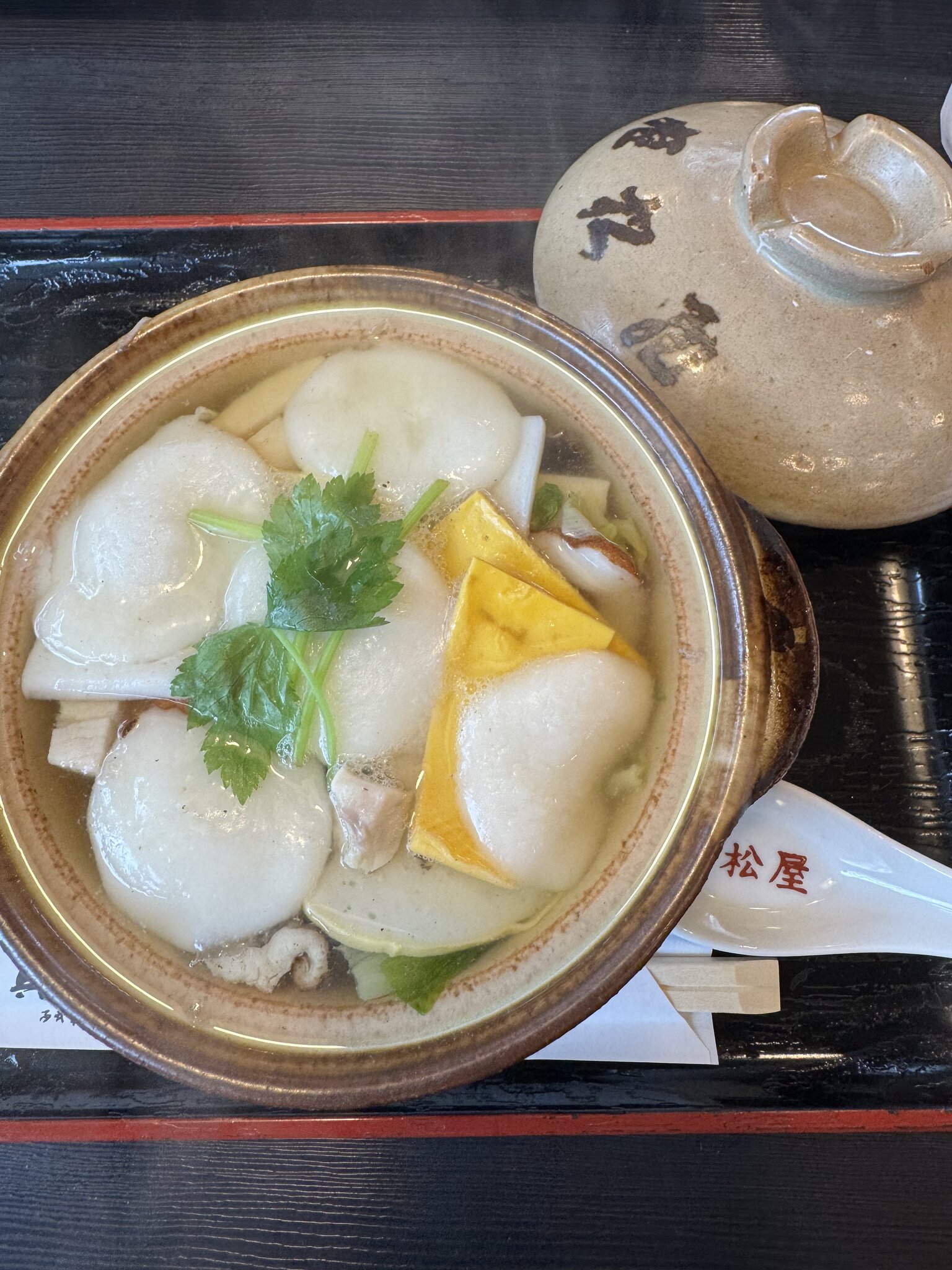
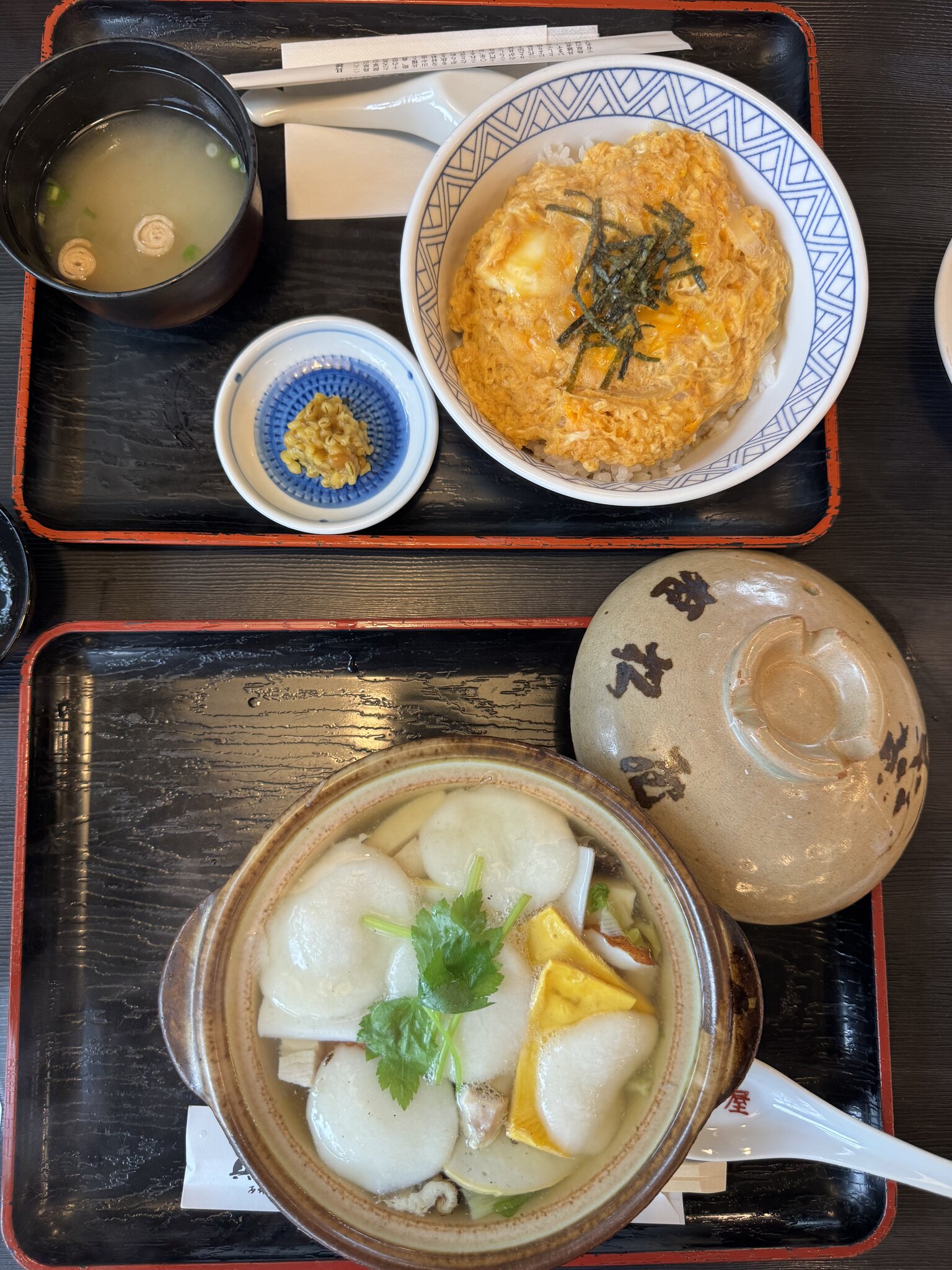
A long-established home of Shimabara's local dish "guzoni." A nourishing bowl of soft-simmered mochi with a rich variety of ingredients — chicken, seafood, rolled omelet, vegetables and more. You eat it while sensing its history as a siege food from the Shimabara Rebellion. If you have room, there's also a set with katsudon. The flavors seep in gently and soothe the body.


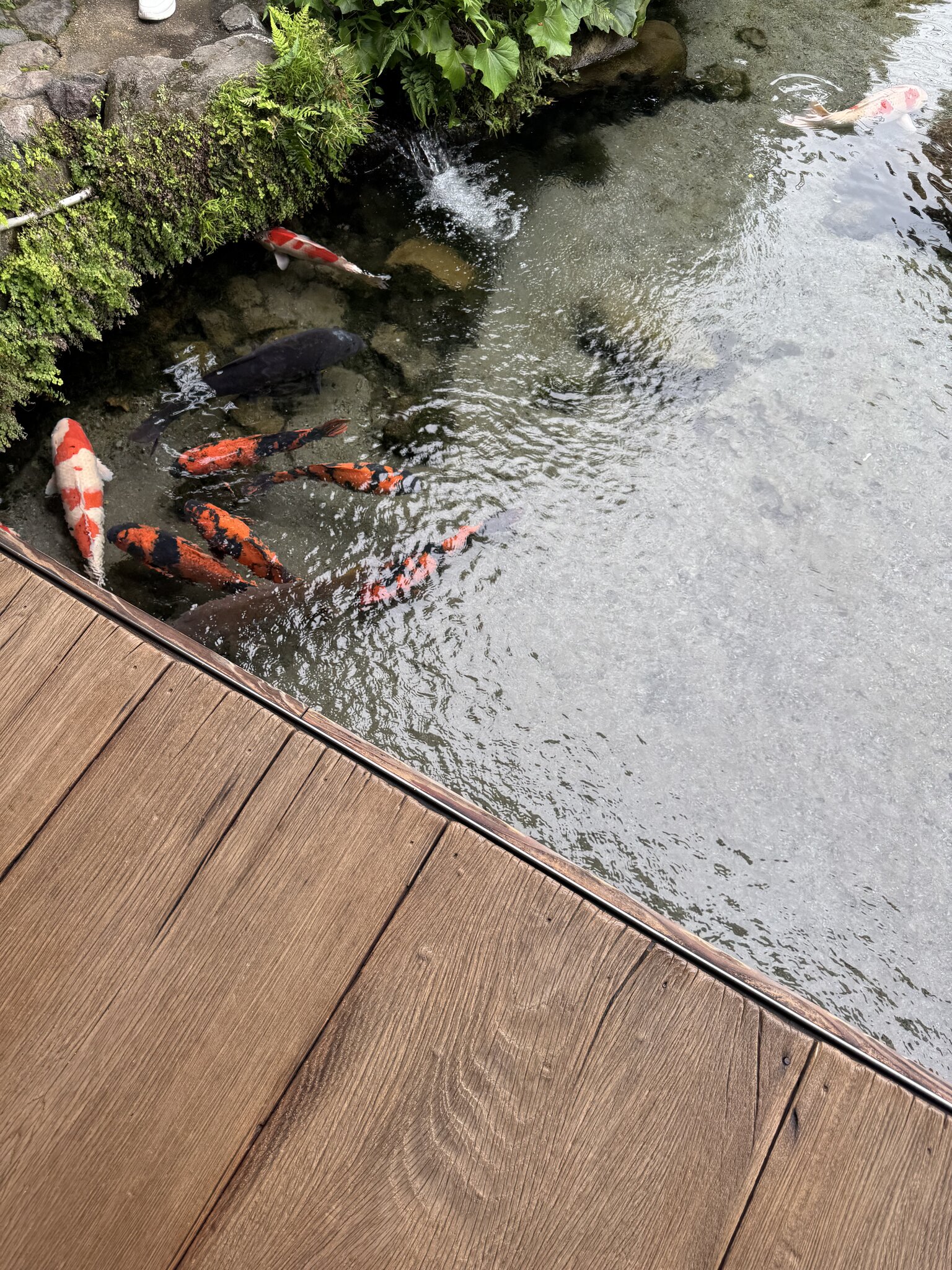
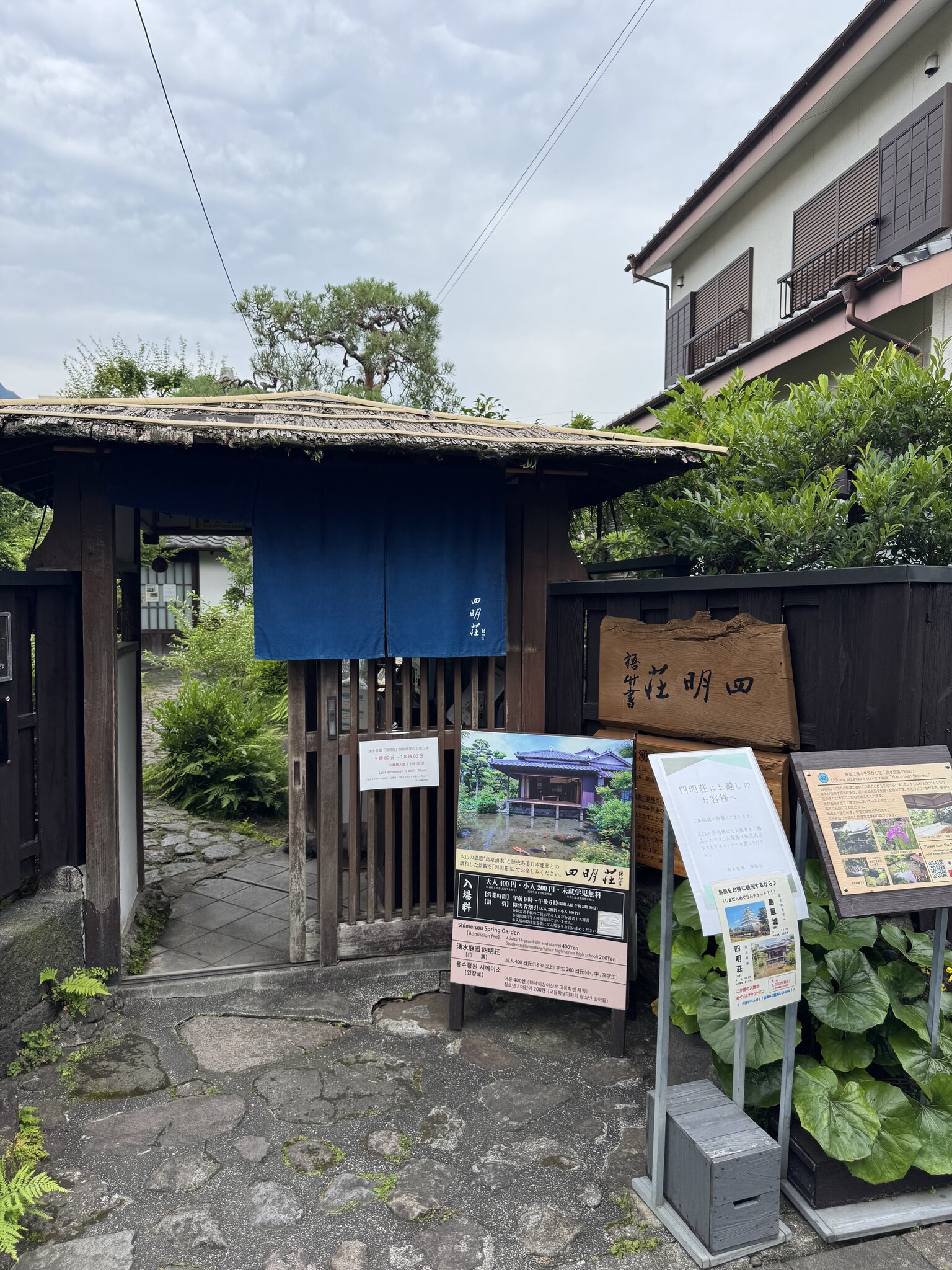
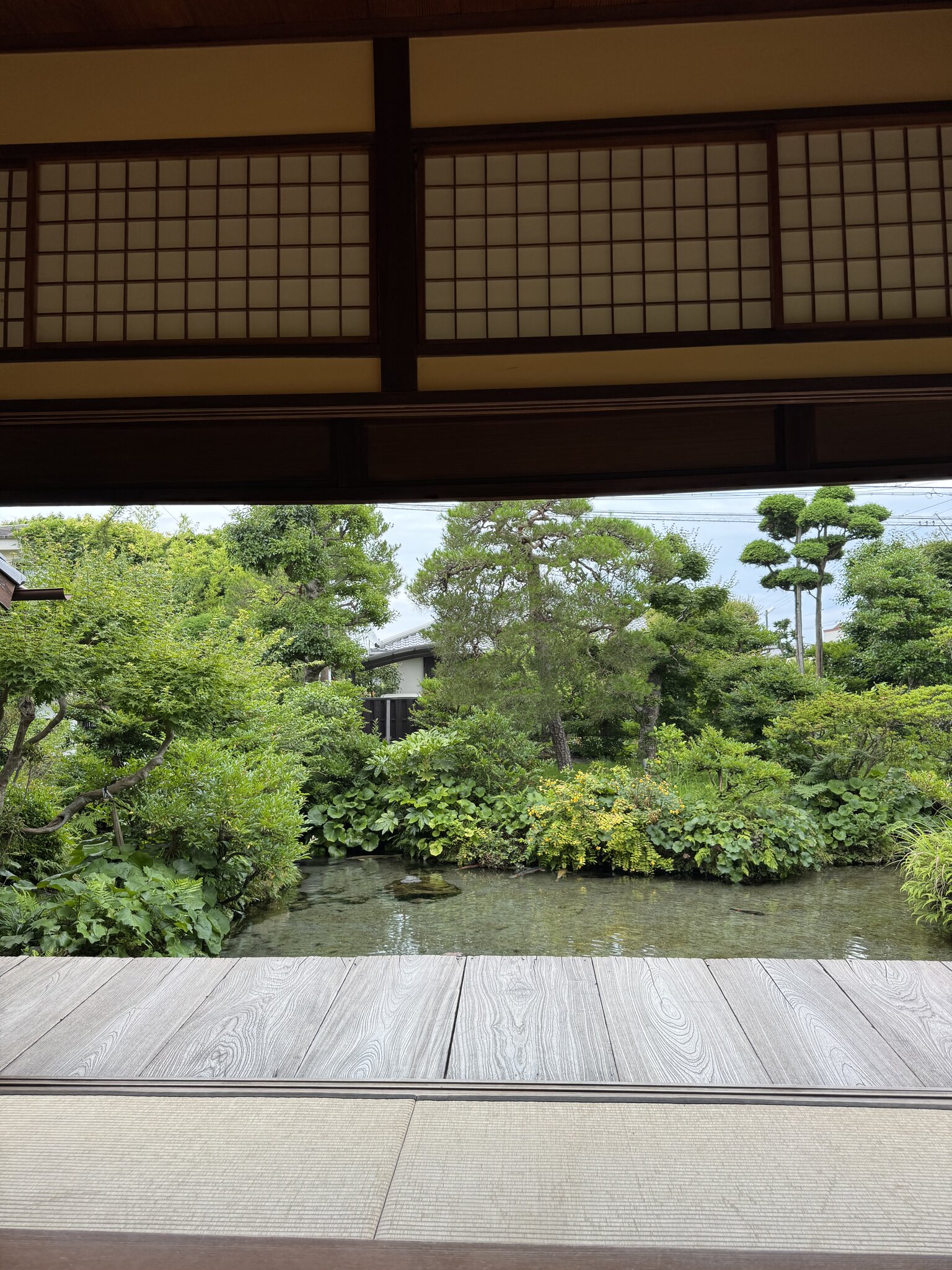
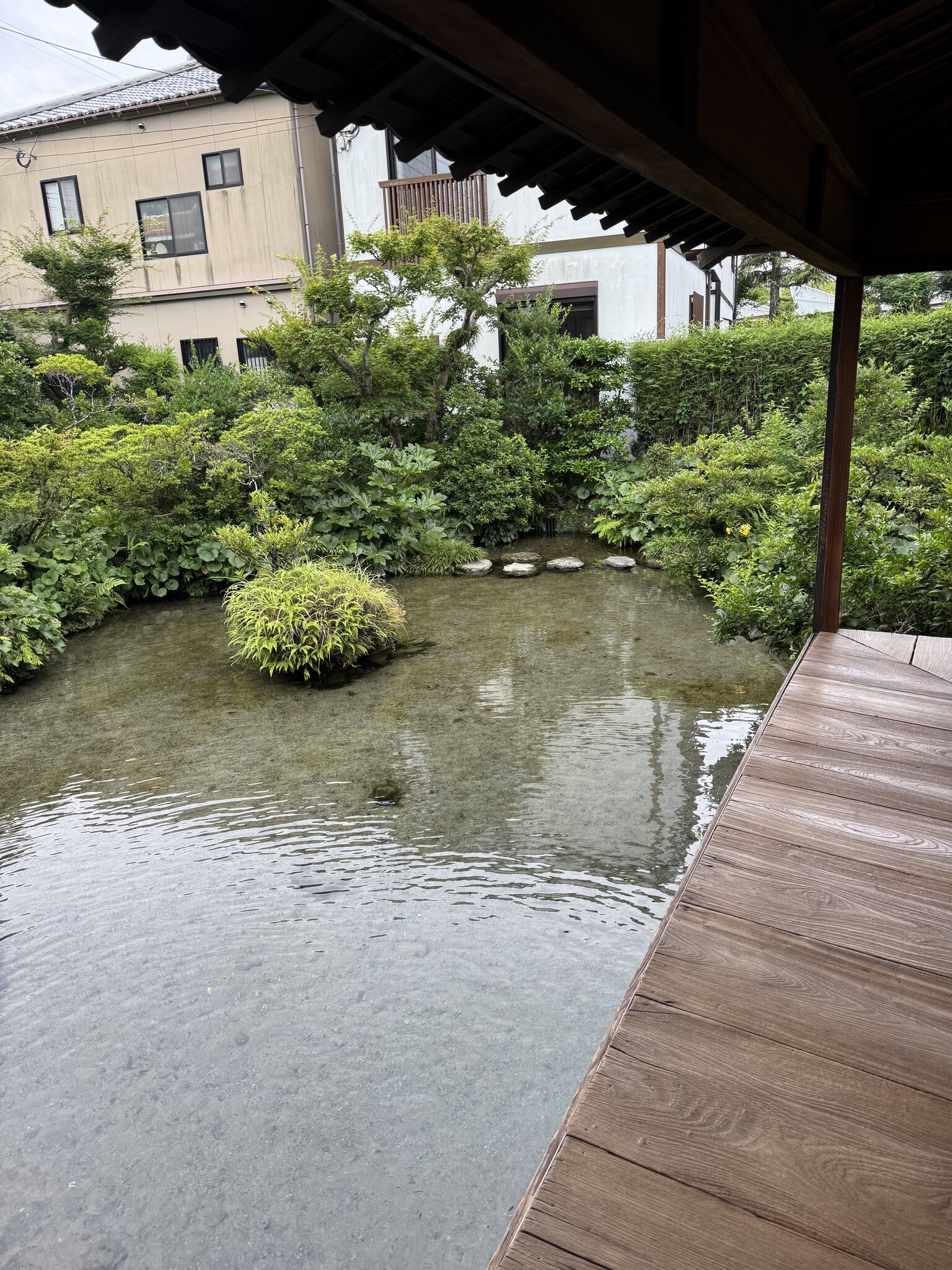
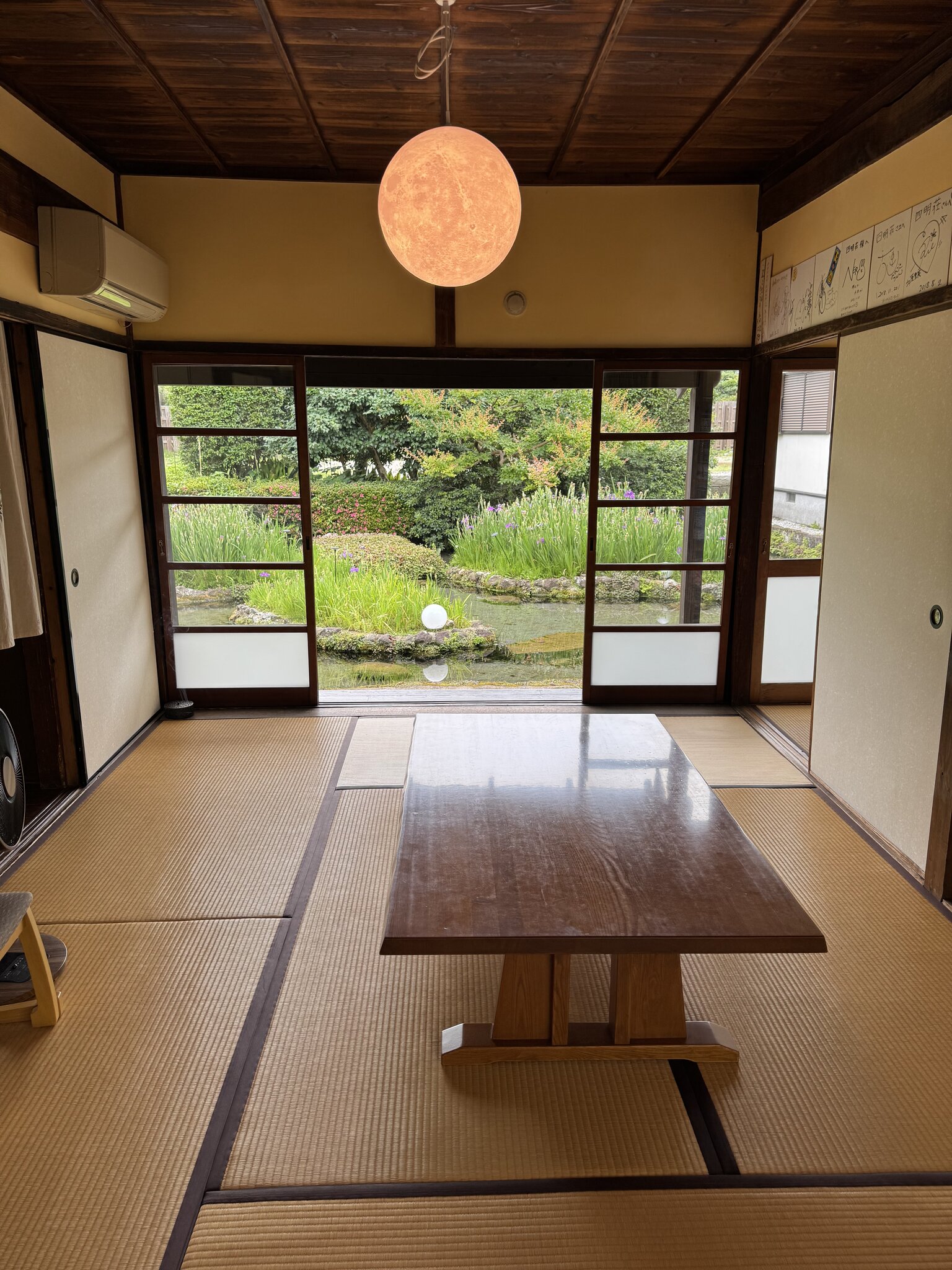
A garden where colorful carp glide serenely through a limpid pond fed by the spring water of Mt. Fugen. Viewed from the veranda, the Japanese garden is beautiful, with lotuses and irises mirrored on the water's surface. The tatami room, where crescent-moon lanterns sway, is so tranquil that I lost track of time.


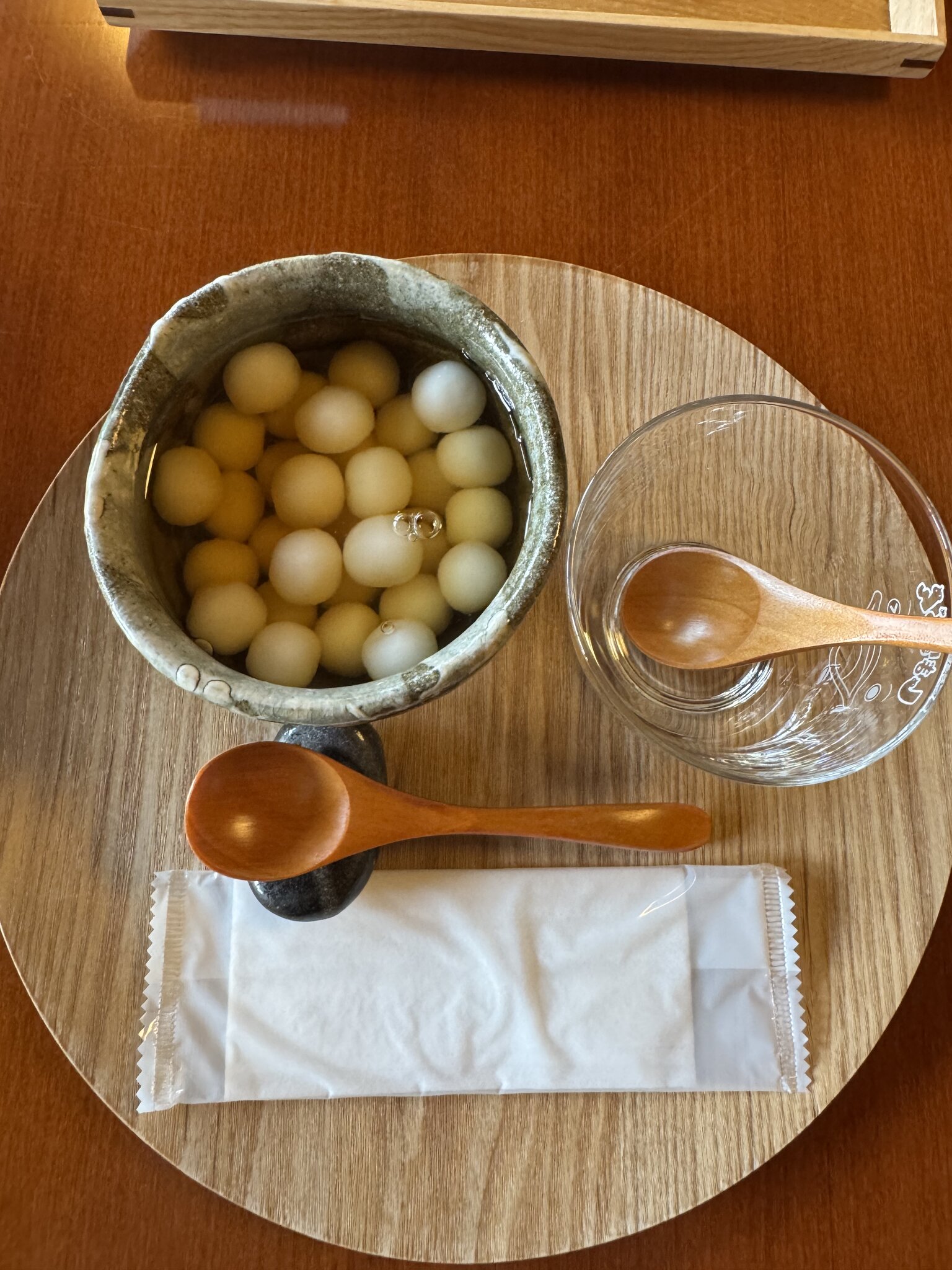
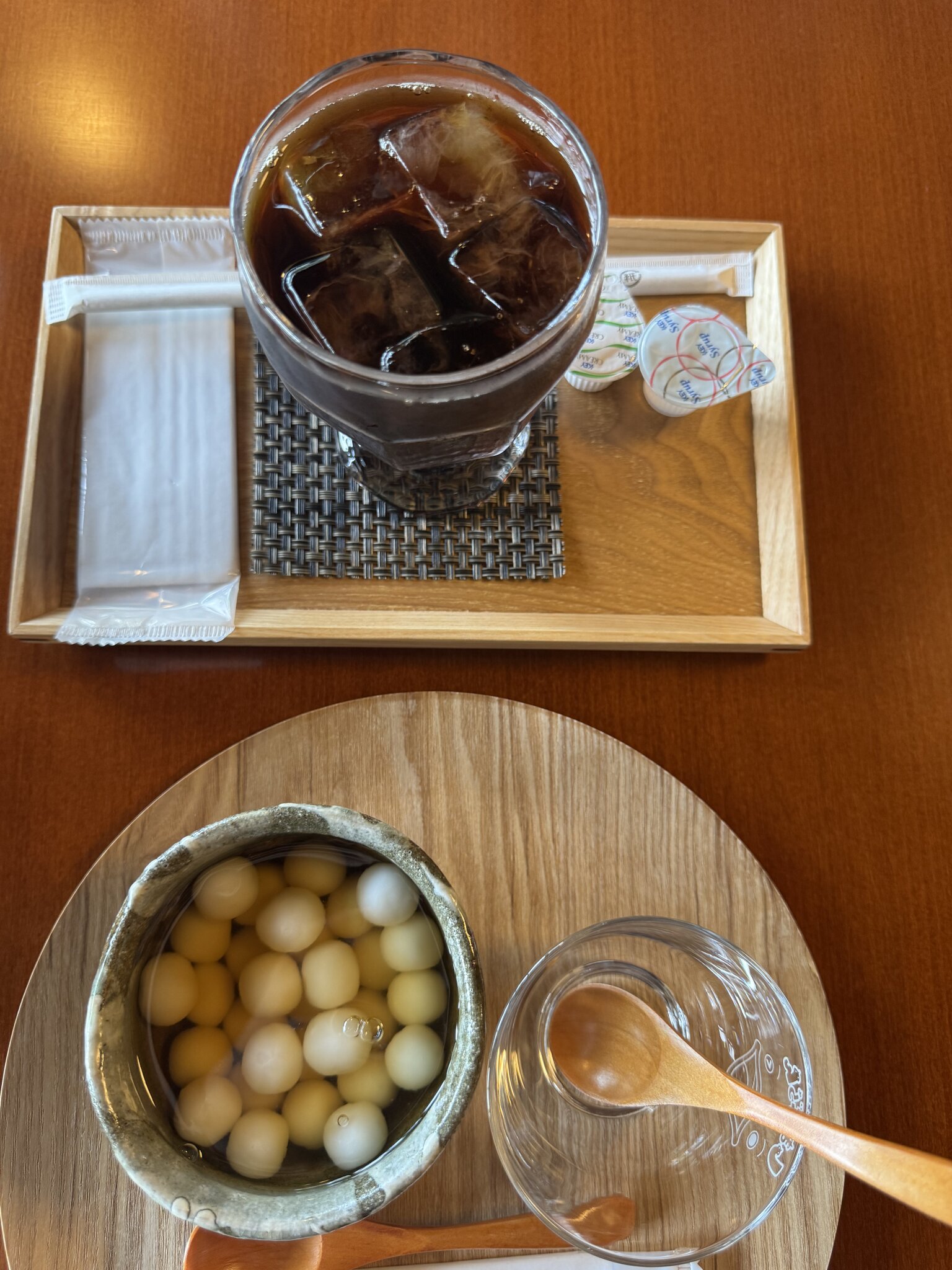
In the garden we tried Shimabara's famous sweet "kanzarashi." A simple treat of shiratama rice-flour dumplings made with Shimabara's spring water and drizzled with honey — its flavor rides directly on the purity of the water. We enjoyed it at a relaxed pace at the nearby "Shimabara Spring-Water Hall Koi Café Yusai-kan."


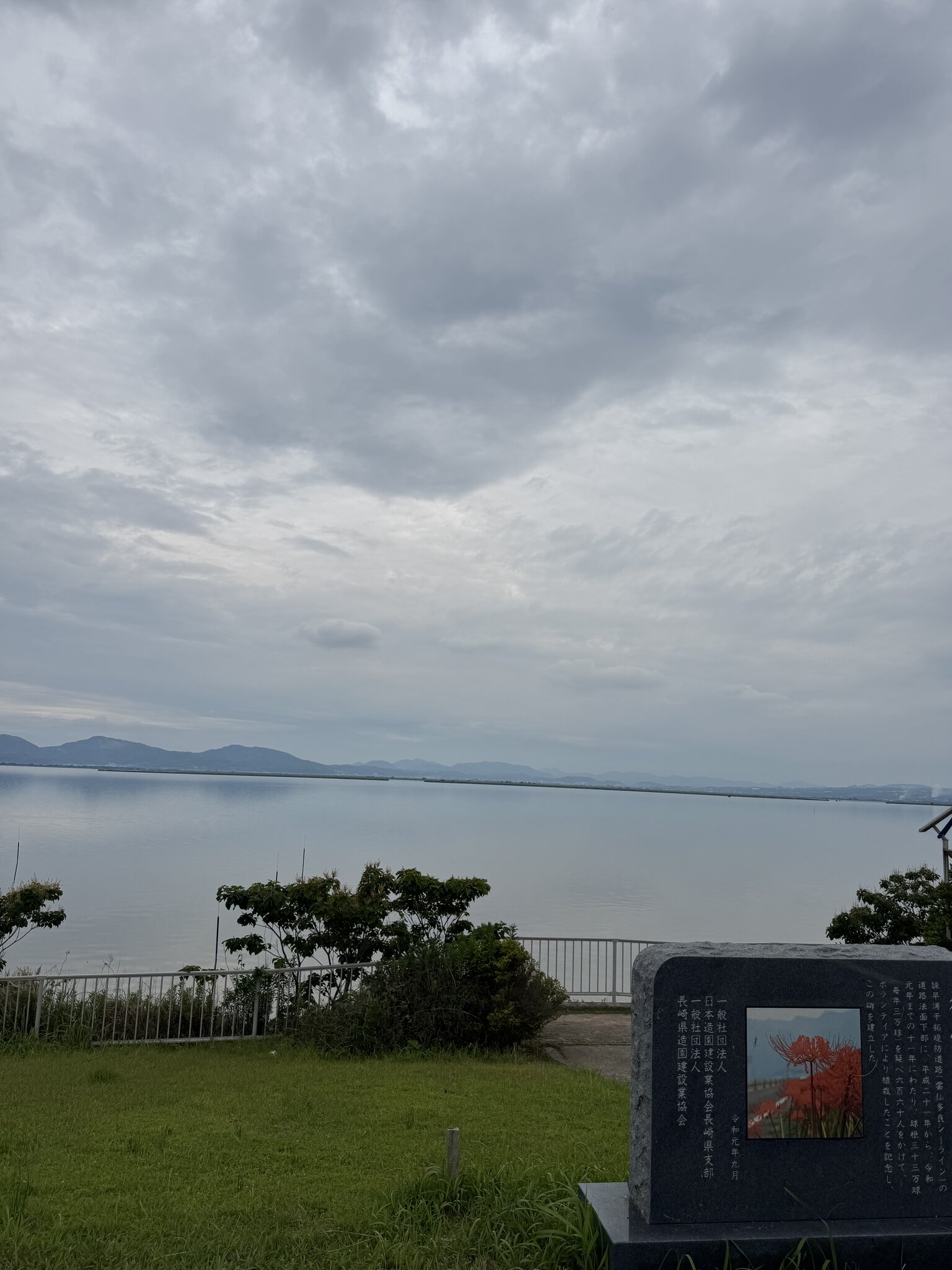
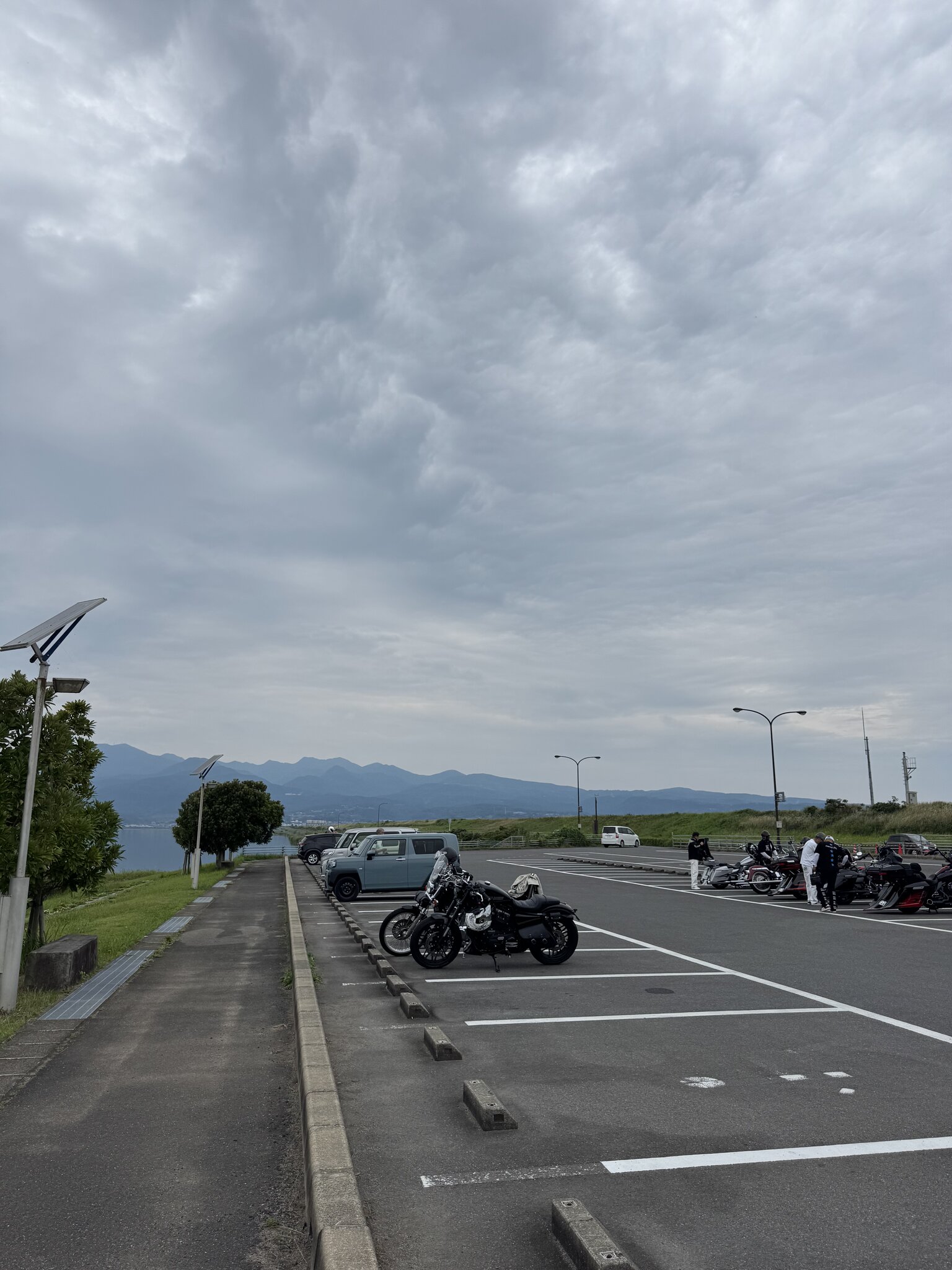
An approximately 8 km road running across the top of the Isahaya Bay reclamation dike. From the observation point at the midway rest stop, you get a sweeping view of the Ariake Sea and the Unzen-Tara mountain range. A popular spot with motorcyclists — the parking area was lined with Harley-Davidsons. A perfect scenic finale to the Shimabara Peninsula trip.

While waiting for the flight, we took a break at the airport food court. Lingering in the afterglow of the Shimabara trip right up to departure, we looked back on a full and rewarding two days.
If this diary was helpful, feel free to buy me a coffee ☕